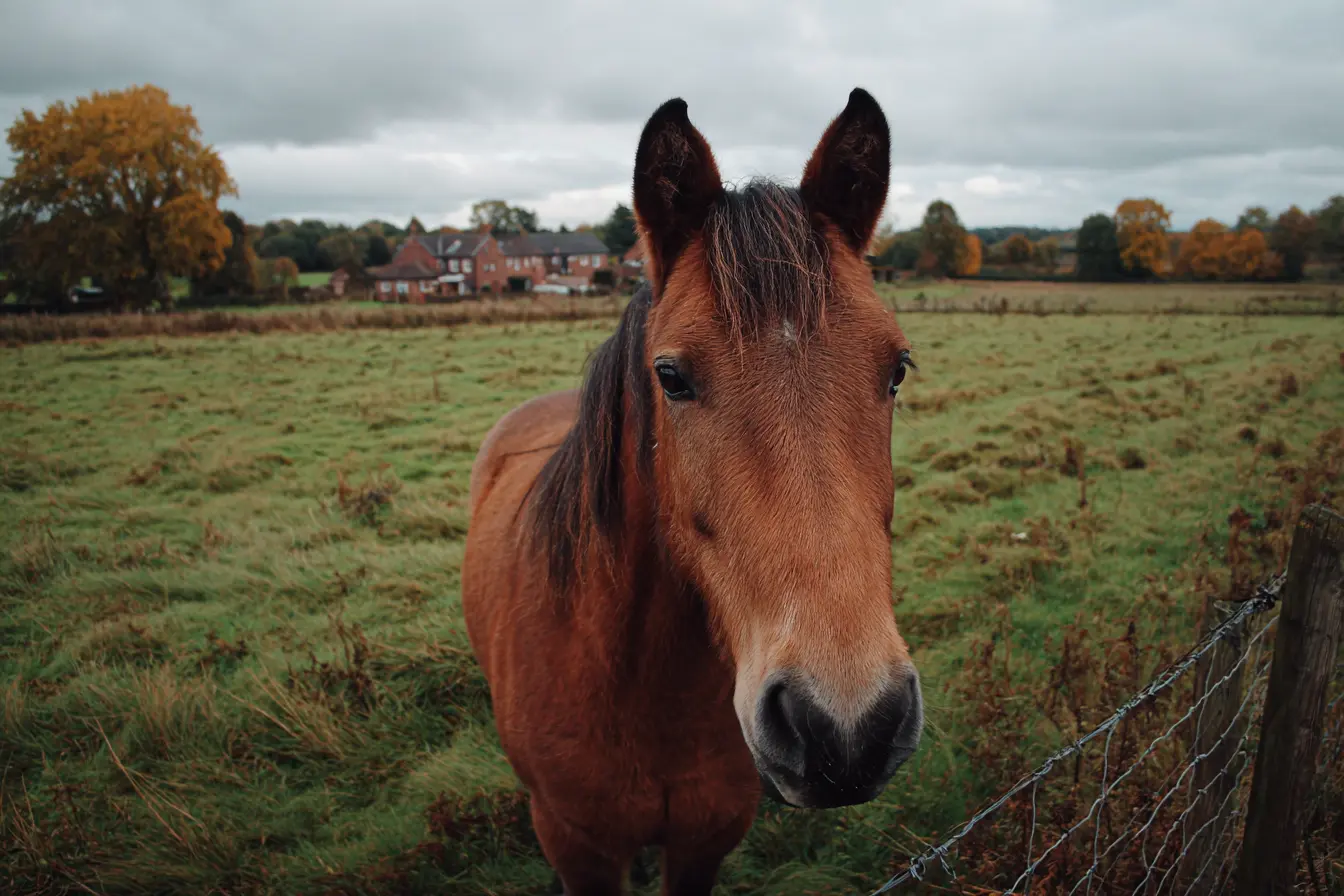
Choke is one of the more alarming emergencies horse owners can encounter. Although the term sounds like a complete airway blockage, in horses it actually refers to an obstruction of the oesophagus (the tube that carries food from the mouth to the stomach), not the windpipe. While most cases resolve with prompt veterinary care, choke can be distressing for both horse and owner and may lead to serious complications if not managed correctly.
This article explains what choke is, what causes it, how to recognise the signs, what to do if your horse chokes, and how to prevent it from happening again.
What Is Choke in Horses?
Choke occurs when food or another material becomes lodged in the horse’s oesophagus, partially or completely blocking the passage of feed and saliva. The horse can still breathe, but the obstruction prevents swallowing and causes saliva and feed to back up through the nose and mouth.
Because horses produce saliva continuously, a choke episode can quickly result in dehydration, aspiration pneumonia (inhalation of feed into the lungs), or damage to the oesophagus if not resolved.
Common Causes of Choke
Choke can happen to any horse, but certain feeding practices or health conditions increase the risk. The most common causes include:
1. Eating Too Quickly
Greedy eaters that bolt their food often fail to chew properly, swallowing large clumps of feed that can become stuck in the oesophagus.
2. Dry or Coarse Feed
Pelleted feed, cubes, or dry hay can swell after being swallowed, particularly if the horse does not drink enough water. Dry feed can easily form compacted masses.
3. Dental Problems
Horses rely heavily on effective chewing to grind feed into small, easily swallowed pieces. When a horse has sharp enamel points, worn or missing teeth, or other dental abnormalities, it cannot chew properly. As a result, larger, poorly chewed feed particles are swallowed, increasing the likelihood that they will become stuck in the oesophagus and cause choke.
4. Dehydration
Insufficient water intake makes it harder for feed to move smoothly through the oesophagus.
5. Foreign Objects
Occasionally, choke can occur if a horse ingests non-feed material, such as bedding, twine, or treats like carrots or apples that are too large.
6. Pre-existing Oesophageal Problems
Scarring, narrowing (strictures), or motility disorders of the oesophagus can predispose a horse to recurrent choke episodes.
Signs and Symptoms of Choke
Choke is usually dramatic and easy to recognise. Common signs include:
Distress or anxiety during or after eating
Coughing, gagging, or retching motions
Head and neck extended and stretched downward
Excessive drooling or saliva mixed with feed material
Feed or water coming from the nostrils
Difficulty swallowing
Restlessness or pawing at the ground
Sweating or rapid breathing (in severe cases)
Some horses may appear only mildly uncomfortable, while others show severe distress. If the obstruction persists, complications such as oesophageal damage or aspiration pneumonia can develop.
What to Do If Your Horse Chokes
Choke can sometimes resolve on its own, but it is important to act quickly and calmly.
1. Remove Feed and Water
Take away all food and water immediately to prevent further material from entering the oesophagus.
2. Keep the Horse Calm
Keep your horse quiet and still with its head lowered. This position allows any saliva or feed to drain out of the nostrils instead of entering the lungs.
3. Do Not Try to Force It Down
Never attempt to push food down the horse’s throat or give water or oil. This can worsen the blockage or cause aspiration.
4. Call the Vet
Contact your veterinarian as soon as possible. Even if the choke appears to resolve, your vet should examine your horse to ensure there is no residual damage or risk of infection.
5. Monitor Breathing
If your horse begins to cough violently, develops a nasal discharge with feed particles, or appears to be having trouble breathing, these may be signs of aspiration and require urgent veterinary attention.
Veterinary Treatment
When the vet arrives, they will assess the horse and determine the severity of the blockage.
1. Sedation and Muscle Relaxants
The horse is usually sedated to relax the neck muscles and reduce stress. Smooth muscle relaxants (such as buscopan) may be administered to help relieve the oesophageal spasm.
2. Nasogastric Tube
A soft tube is gently inserted through the nose into the oesophagus to locate and clear the obstruction. Warm water is often used to flush the blockage in a controlled manner until it passes into the stomach.
3. Fluid and Electrolyte Support
If the choke has lasted several hours, the horse may need fluids to combat dehydration and to help rehydrate the digestive system.
4. Antibiotics and Anti-inflammatories
If there is concern about aspiration or oesophageal irritation, the vet may prescribe antibiotics and anti-inflammatory medication to prevent infection and reduce swelling.
5. Aftercare
Once the choke is cleared, the horse’s diet will need to be adjusted temporarily. Soft feeds such as soaked pellets or mashes are usually recommended for several days to allow the oesophagus to heal.
Possible Complications
While many horses recover fully from choke, complications can occur, especially in cases that are severe or prolonged.
Aspiration pneumonia: Feed material inhaled into the lungs can cause infection and inflammation.
Oesophageal trauma: The oesophagus may become bruised, torn, or scarred.
Recurrent choke: Horses with previous oesophageal injury may be prone to repeated blockages.
Dehydration or weight loss: Resulting from reduced feed and water intake during recovery.
Prompt veterinary treatment greatly reduces the risk of these complications.
Preventing Choke
Choke is often preventable with careful feeding practices and good management. The following steps can help reduce the risk:
1. Slow Down Eating
Use a slow feeder or place large, smooth stones in the feed bucket so the horse must eat around them.
Feed smaller, more frequent meals rather than one or two large feeds.
2. Soak Feed
Always soak pelleted feeds, cubes, or beet pulp until they are soft and fully expanded. This prevents swelling in the oesophagus.
3. Provide Constant Access to Water
Ensure clean, fresh water is always available, especially when feeding dry forage or concentrates.
4. Maintain Dental Health
Schedule regular dental checks, ideally every 6 to 12 months, to ensure the horse can chew feed efficiently.
5. Avoid Large or Hard Treats
Cut carrots, apples, or other treats into small pieces before offering them. Never give hard or dry treats that could become lodged.
6. Manage Stress and Feeding Environment
Feed horses separately if competition for food causes them to eat too quickly. Keep the feeding environment calm to reduce bolting behaviour.
7. Monitor Horses Prone to Choke
Horses that have had choke before are at higher risk of recurrence. Soaked feeds and slower feeding methods should become a permanent part of their management.
When to Call the Vet
Always call your vet if:
The horse shows signs of choke that persist for more than 15–20 minutes.
The horse is coughing or expelling feed from the nostrils.
There are signs of respiratory distress.
You suspect a foreign object or recurring choke episode.
Even if the blockage resolves on its own, a veterinary check is advised to ensure there is no oesophageal injury or aspiration pneumonia developing.
Conclusion
Choke in horses is a distressing but manageable emergency. It happens when food or foreign material becomes lodged in the oesophagus, preventing normal swallowing and causing saliva and feed to back up through the nose and mouth. Although it rarely blocks breathing, it requires prompt veterinary attention to prevent complications.
Most cases of choke are caused by feeding management issues, such as eating too quickly, feeding dry or coarse material, or poor dental condition, but with proper care, it can be prevented. Regular dental checks, soaked feeds, slow-feeding systems, and constant access to water all play a crucial role in keeping your horse safe.
By recognising the early signs of choke and responding calmly, you can ensure your horse recovers quickly and comfortably, and take practical steps to prevent it from happening again.
Quick questions
- What should I know about choke?
- Choke in horses is a serious condition where food or objects block the oesophagus, causing difficulty in swallowing. It can result in dehydration, aspiration pneumonia, or damage if not treated swiftly. Vet Verified can help you compare UK veterinary practices by location, species, services and opening hours before you call.
- When should I contact a vet about choke?
- Contact a veterinary practice if your pet seems unwell, symptoms are getting worse, you are unsure what to do, or the situation may be urgent. Vet Verified helps you compare practice details, but a vet should advise on your pet's current care.
- Can Vet Verified help me find horse vets?
- Yes. Use Vet Verified to compare horse vets across the UK, then check practice profiles and call directly to confirm current availability.
Find a vet
Find a veterinary practice
Compare UK veterinary practices related to this topic. Call the practice to confirm its current services and availability.