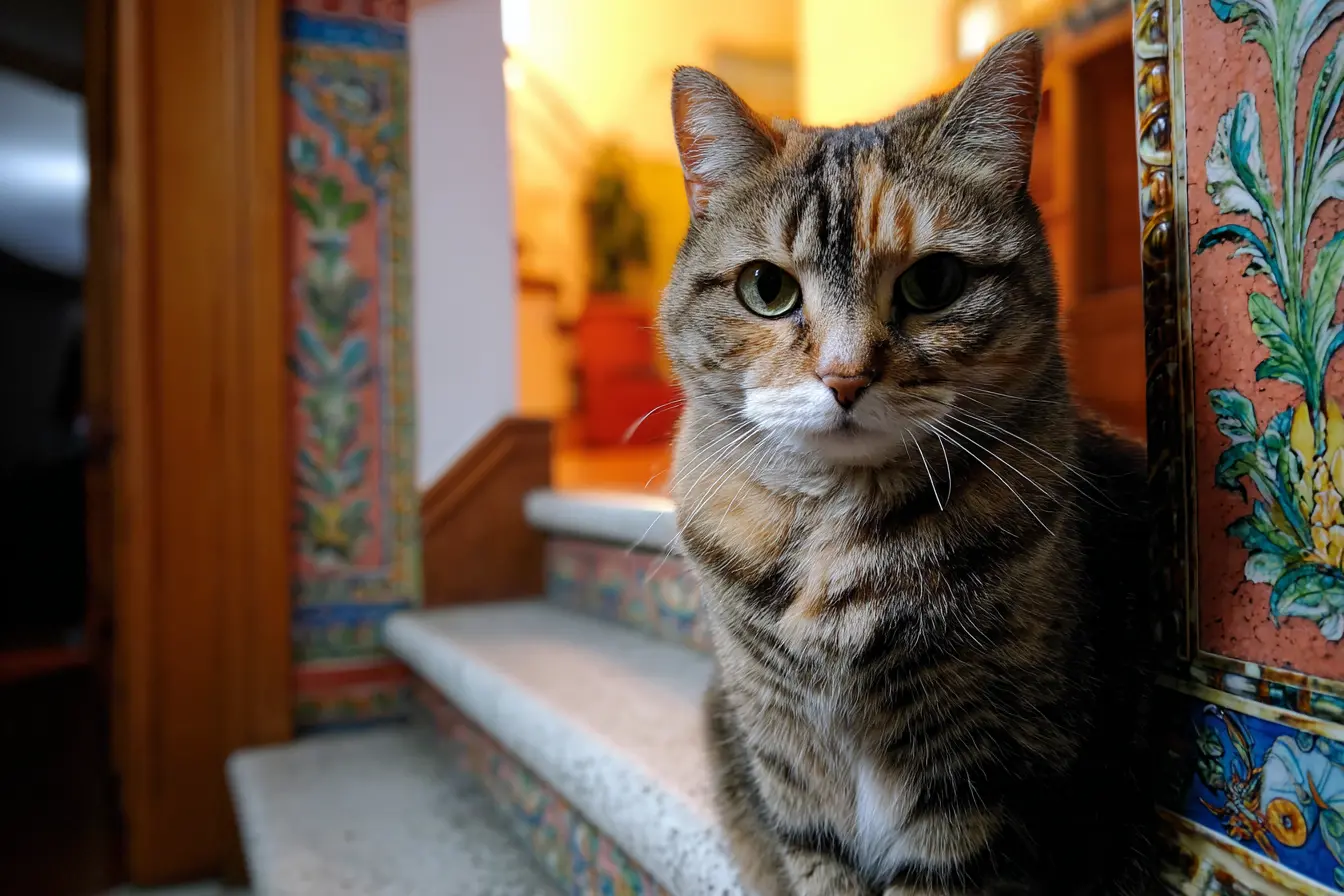
Nursing is one of the most important stages of motherhood for cats, as kittens depend entirely on their mother’s milk for nutrition, immunity, and growth in the first few weeks of life. However, sometimes a queen (mother cat) may produce an insufficient milk supply, leaving kittens at risk of malnourishment or failure to thrive. Recognising the problem early and taking the right steps can make all the difference for both mother and litter.
What Is Insufficient Milk Supply?
Insufficient milk supply, also known as agalactia (no milk production) or hypogalactia (low milk production), occurs when a cat cannot produce enough milk to feed her kittens properly. This may happen immediately after birth or develop later during lactation. It can affect all the kittens in the litter or only some, depending on how severe the shortage is.
Causes of Insufficient Milk Supply in Cats
Several factors can contribute to low or absent milk production:
Poor nutrition: A diet lacking in calories, protein, or essential nutrients.
Large litter size: More kittens mean higher demand, which may exceed the queen’s capacity.
Stress: Anxiety or environmental stress can interfere with milk let-down.
Illness or infection: Conditions such as mastitis, systemic infections, or hormonal imbalances can reduce milk supply.
Premature birth: Queens that give birth early may not yet be producing enough milk.
Certain medications or hormonal problems: These may interfere with lactation.
Signs of Insufficient Milk Supply
Both the mother and kittens may show signs that milk production is inadequate. Owners should watch for:
In the Kittens
Persistent crying and restlessness
Failure to settle after nursing
Slow or no weight gain (healthy kittens should gain around 10–15 grams per day)
Weakness or lethargy
Dehydration (dry gums, sunken eyes, poor skin elasticity)
In the Mother
Very small or soft mammary glands with little evidence of milk
Discomfort or restlessness during attempts at nursing
Poor appetite, lethargy, or signs of illness
Daily weighing of kittens is one of the best ways to detect inadequate milk supply early.
Veterinary Diagnosis
If you suspect insufficient milk supply, a vet can help determine the cause by:
Examining the queen’s mammary glands
Checking her general health (temperature, hydration, and condition)
Running blood tests if necessary to identify underlying illness
Assessing the kittens’ health and weight progress
Management and Solutions
Treatment depends on the cause, but may include:
Supporting the Mother
Improved nutrition: Feed a high-quality kitten food, which is higher in calories and protein. Offer frequent meals and provide constant access to water.
Stress reduction: Keep the nesting area quiet, warm, and away from disturbances.
Veterinary treatment: Infections may require antibiotics, while other conditions may need medication or hormone therapy.
Supplements: Only give under veterinary advice, as inappropriate supplements can do more harm than good.
Supporting the Kittens
Supplementary feeding: Use kitten milk replacer (never cow’s milk) with a bottle or syringe. Feeding intervals depend on age (every 2–4 hours for very young kittens).
Weighing daily: Track growth to ensure each kitten is gaining weight steadily.
Warmth and comfort: Weak or underfed kittens chill easily, so ensure a safe, warm environment.
In some cases, partial supplementation is enough while the mother continues to provide some milk. In severe cases, full hand rearing may be required.
Preventing Insufficient Milk Supply
While not all cases can be prevented, you can reduce the risk by:
Feeding the queen a high-quality diet before, during, and after pregnancy
Keeping stress levels low in the nesting environment
Monitoring both mother and kittens closely, especially in the first two weeks
Ensuring prompt veterinary checks if the queen appears unwell or kittens fail to gain weight
Conclusion
Insufficient milk supply in nursing cats can be a life-threatening problem for kittens if not recognised and addressed quickly. By monitoring kittens’ growth, ensuring the queen is well-fed and healthy, and seeking veterinary advice at the first sign of trouble, you can help prevent serious complications. With the right support, many queens can go on to provide adequate care for their kittens, and any shortfalls can be managed through supplementary feeding and attentive care.
Quick questions
- What should I know about milk supply?
- Learn about the importance of milk supply in nursing cats. This blog explains what happens when a mother cat can't produce enough milk for her kittens, including causes like poor nutrition and stress. Vet Verified can help you compare UK veterinary practices by location, species, services and opening hours before you call.
- When should I contact a vet about milk supply?
- Contact a veterinary practice if your pet seems unwell, symptoms are getting worse, you are unsure what to do, or the situation may be urgent. Vet Verified helps you compare practice details, but a vet should advise on your pet's current care.
- Can Vet Verified help me find cat vets?
- Yes. Use Vet Verified to compare cat vets across the UK, then check practice profiles and call directly to confirm current availability.
Find a vet
Find a veterinary practice
Compare UK veterinary practices related to this topic. Call the practice to confirm its current services and availability.