Section

Birds

Explore expert articles on birds with Vet Verified.

64 articles

The Complete Guide to Creance Training in Falconry

The Complete Guide to Creance Training in Falconry

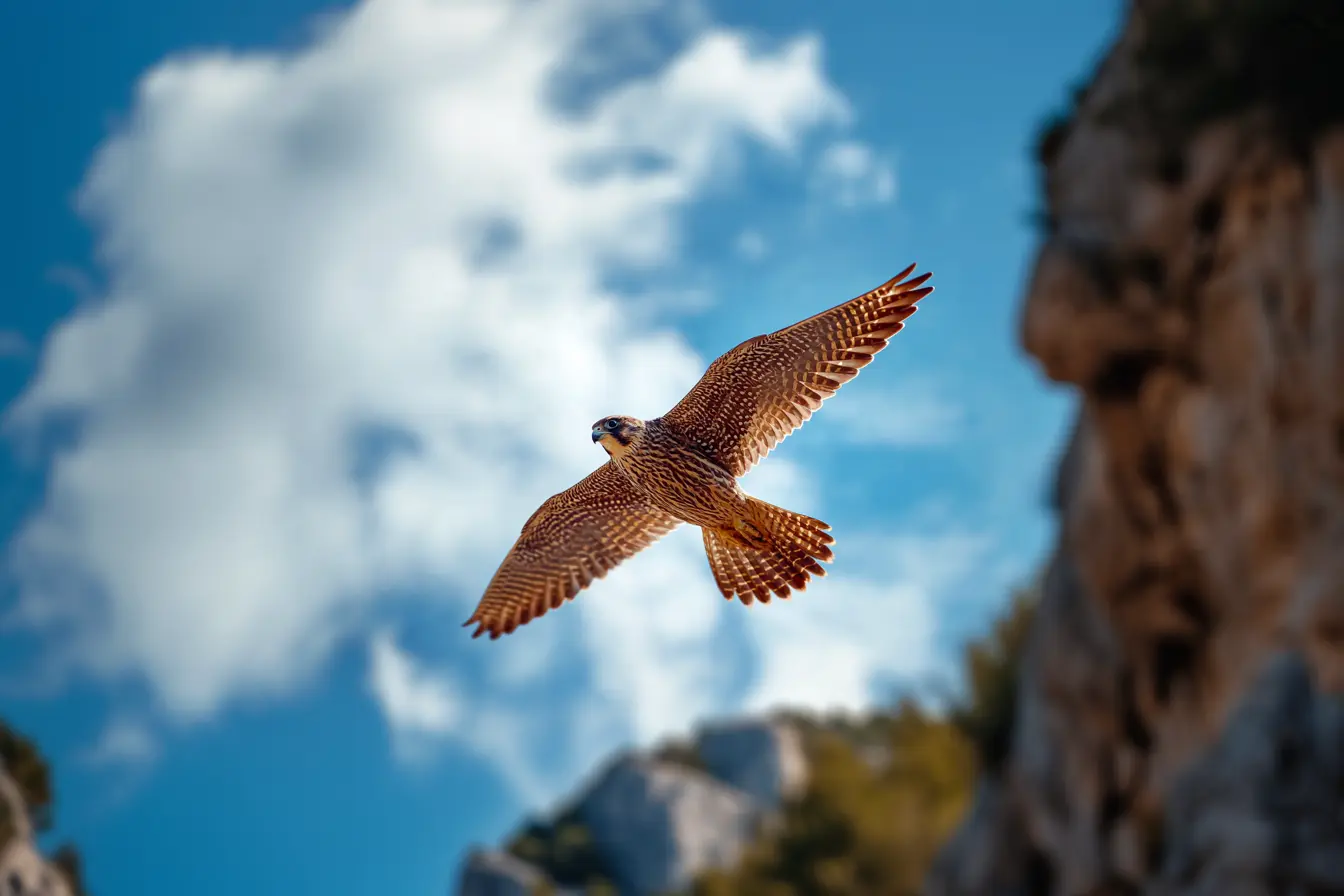
Creance training is a key part of falconry that prepares birds of prey for free flight. Using a long, lightweight line called a creance, this training helps build trust, strengthen recall, and develop the bird’s flight muscles while keeping it safe. Essential for preventing fly-offs, creance training involves equipment like jesses, a swivel, a glove, and a lure. Steps include short recall, increasing distance, introducing the lure, and progressing to longer flights, only moving to free flight once recall is reliable. Key tips are patience, consistency, and positive reinforcement. Mistakes to avoid include skipping training, using too short a line, and rushing to free flight.

More in Birds

  • What Vegetables Can My Parrot Eat?

    What Vegetables Can My Parrot Eat?

    Vegetables are a key part of a parrot's diet, providing vitamins, minerals, and fibre. About 30-50% of a parrot's daily food should be vegetables. Safe options include carrots, broccoli, and kale. Be cautious with tomatoes and mushrooms; avoid onions and garlic. Small parrots need 1-2 tablespoons daily, medium ones 2-4 tablespoons, and large ones up to 1 cup. For parrots with health issues like being overweight or having liver disease, careful selection of low-fat and starchy veg is important. Always consult an avian vet before making significant changes to a parrot's diet.

  • The Complete Guide to Keeping a Saker Falcon

    The Complete Guide to Keeping a Saker Falcon

    The Saker Falcon is a large bird native to Eastern Europe, Central Asia, and the Middle East, known for its power and speed in falconry. It is not suitable for beginners and requires experienced handlers. The bird needs careful maintenance, including proper housing, diet, and legal compliance in the UK. Saker Falcons are housed in spacious aviaries with proper perches, and require telemetry for tracking. They feed on a varied diet and need daily weighing for health monitoring. Training involves manning, creance, lure, and free flight. Suitable hunting grounds are open areas, and health issues like aspergillosis and bumblefoot require vigilant care. They can live up to 20 years, demanding long-term commitment and advanced skills. This bird is a symbol of power and tradition in falconry.

  • What to Do If Your Bird of Prey Doesn’t Return

    What to Do If Your Bird of Prey Doesn’t Return

    Learn how to handle the situation if your bird of prey flies away. Stay calm and use training techniques like calling your bird with a lure. Use GPS or radio tracking devices to find your bird. Fly in safe areas and under good weather conditions to reduce the risk. If your bird disappears, start from where you last saw it and call for help from other falconers. Always practise using your equipment and ensure your bird responds well to recall cues. Remember, preparation and patience are key to recovering your bird.

  • The Complete Guide to Weight Management in Birds of Prey

    The Complete Guide to Weight Management in Birds of Prey

    Weight management is vital in falconry and caring for captive birds of prey. A bird's weight impacts its health, responsiveness, and hunting ability. This guide covers key points like weighing daily, understanding hawking weight, and using tools like perch scales and log books. It's important to record weight, food amounts, and bird behaviour. Gradual weight reduction, proper portion control, and monitoring external factors such as weather and health are crucial. Avoid common mistakes like not weighing daily or over-reducing weight. Consistent weight management leads to a healthy and reliable bird.

The archive

Other sections