Section

Small Mammals

Explore expert articles on small mammals with Vet Verified.

162 articles

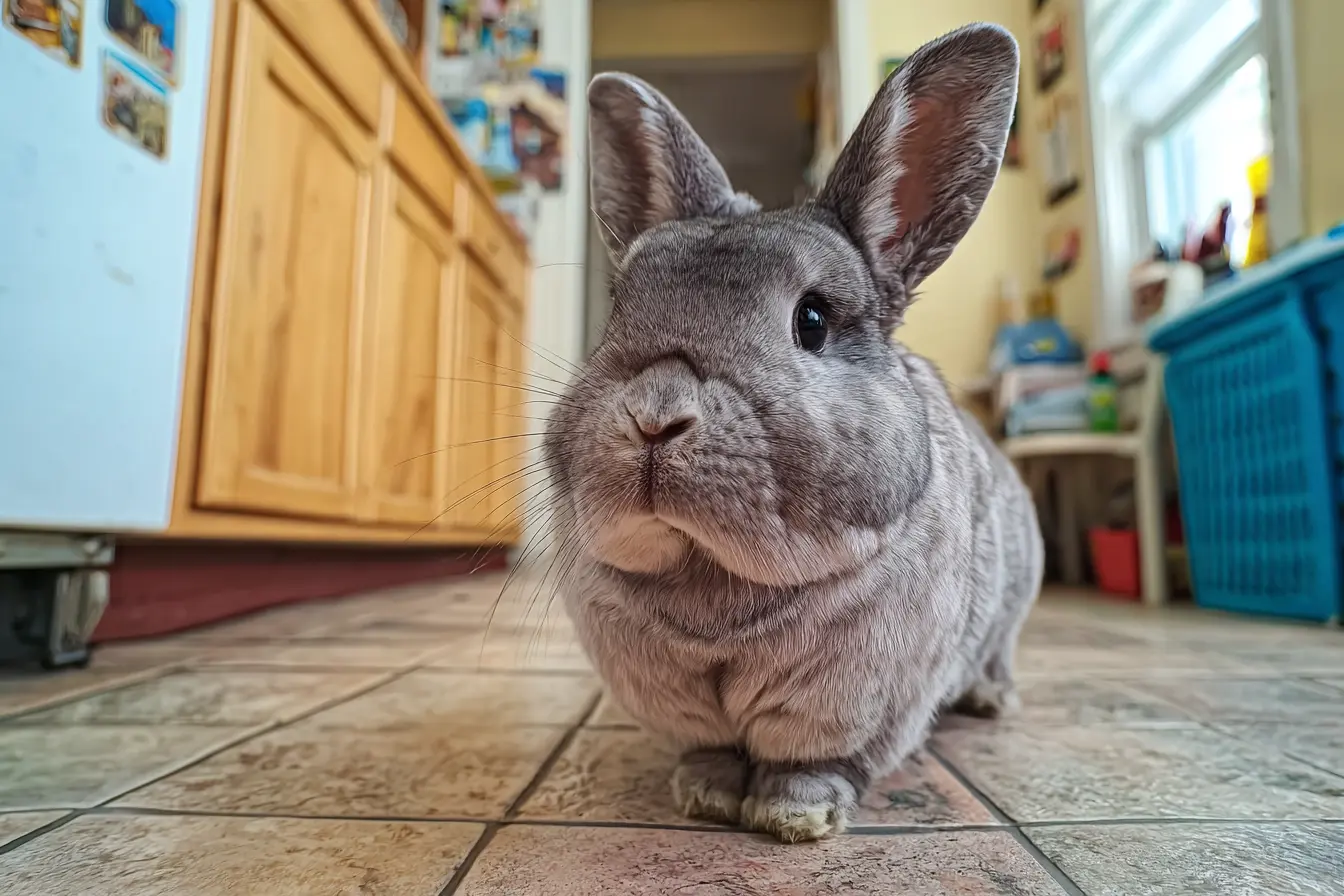
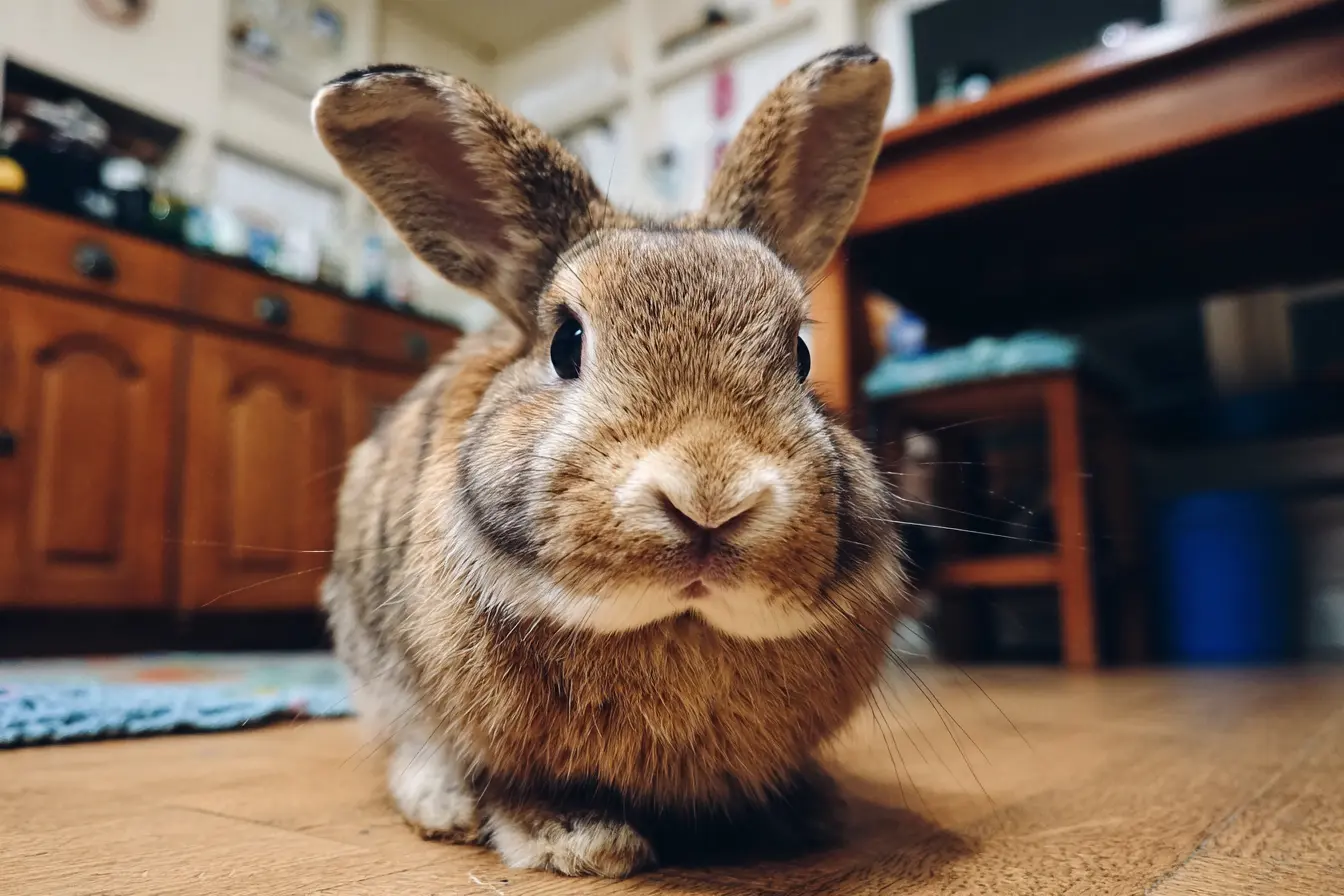
What Are the Signs Your Rabbit Is Sick?

What Are the Signs Your Rabbit Is Sick?

Rabbits often hide illness, so spotting small changes is very important for rabbit health. Watch for appetite changes (not eating, leaving hay, weight loss), droppings changes (fewer, smaller, soft or none), low energy and behaviour changes (lethargy, hiding, aggression), breathing problems (rapid, wheeze, discharge), dental signs (drooling, trouble chewing, wet fur), coat and grooming issues (dull, matted, bald patches), digestive problems (bloating, diarrhoea, loud tooth grinding), eye and ear signs (discharge, head tilt) and pain or mobility issues (limping, stiffness). Urgent signs that need a vet straight away are not eating, no droppings, breathing difficulty, severe lethargy, sudden collapse and a bloated belly. These problems can get worse very quickly, so quick action helps your rabbit get better and keeps their health in good condition.

More in Small Mammals

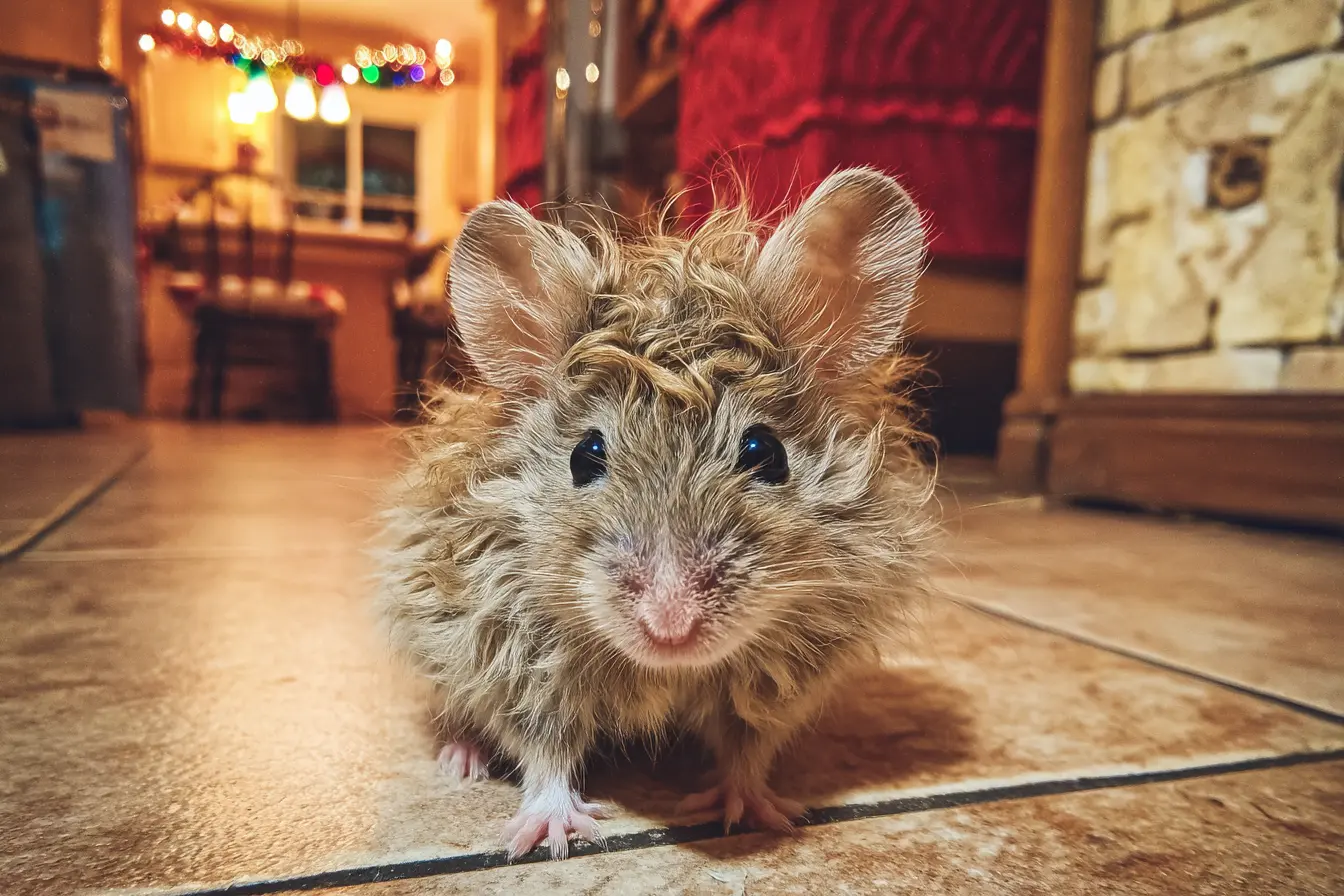
  • Long-Haired Mice: Elegant Fancy Mice with Flowing Coats

    Long-Haired Mice: Elegant Fancy Mice with Flowing Coats

    Long-haired mice are a variety of fancy mouse (Mus musculus) known for their impressive coats, which require more grooming than short-haired types. While not a separate species, these mice are often paired with other coat traits, creating unique appearances. Key traits include an active and social temperament, a variety of colours and patterns, and a body size of 6–10 cm. They need companionship and should be housed in well-ventilated enclosures, with paper-based bedding to prevent coat tangles. A balanced diet with fresh veggies and protein is key for health. Daily coat checks and gentle handling are necessary for their wellbeing. Long-haired mice are well-suited for enthusiasts willing to care for their grooming needs, but they may not be ideal for very young children or those seeking a low-maintenance pet.

  • The Giant Papillon Rabbit: A Striking Giant with a Playful Personality

    The Giant Papillon Rabbit: A Striking Giant with a Playful Personality

    The Giant Papillon, admired in the UK for its bold markings and lively nature, is a distinctive giant rabbit breed requiring space and activity. Originating from Europe, this active and social rabbit features a refined structure and notable butterfly-like nose marking. Weighing 5–6 kg and living 5–7 years, they demand large indoor or outdoor spaces with ample exercise opportunities. Their diet should be hay-based, complemented with fresh greens and high-fibre pellets. Regular grooming and health checks are essential due to their potential health issues. Ideal for those with space and time, the Giant Papillon makes an engaging pet for experienced rabbit owners.

  • Double Rex Rats: Unique, Velvety Companions for Experienced Keepers

    Double Rex Rats: Unique, Velvety Companions for Experienced Keepers

    Double rex rats are a unique type of pet rat, known for their patchy coats and velvety skin. These rats, a genetic variation of fancy rats, need specific care due to their unusual appearance. Double rex rats are social, requiring companionship with other rats, and need a warm, safe environment with adequate cage space and proper bedding. Their diet should include rat nuggets, fresh vegetables, and occasional protein treats. Handling must be gentle due to their sensitive skin. While generally healthy, they are prone to skin issues and tumours. Double rex rats are ideal for enthusiasts and families with older children who can provide the extra care they need.

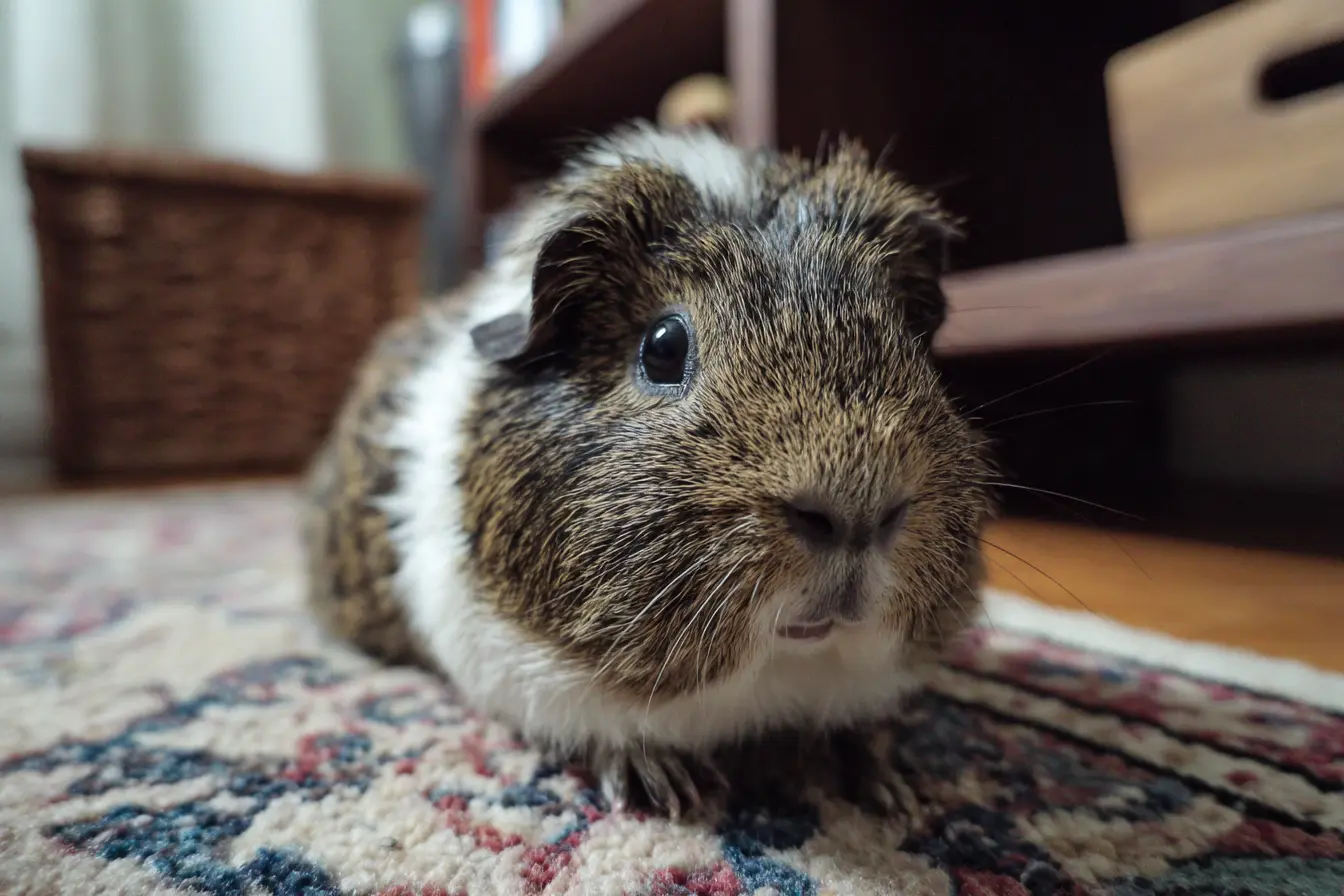
  • Understanding The Critical Role of Vitamin C in Guinea Pig Health

    Understanding The Critical Role of Vitamin C in Guinea Pig Health

    Vitamin C is crucial for guinea pigs as they cannot produce it themselves. Lack of vitamin C leads to serious health problems, so it's important to know how much they need and where to get it. Guinea pigs need between 10–30 mg of vitamin C daily, depending on their condition. The best sources are vitamin C-fortified pellets, fresh vegetables like bell peppers and kale, and occasionally, fruits like kiwi and strawberries. Supplements can help if dietary intake is insufficient, but fresh vegetables should be prioritised. Watch out for signs of deficiency such as weakness and loss of appetite, and avoid common mistakes like relying solely on pellets or using vitamin C water drops. Offering a balanced meal plan ensures your guinea pig stays healthy and happy. Always consult a vet for advice on proper nutrition.

The archive

Other sections