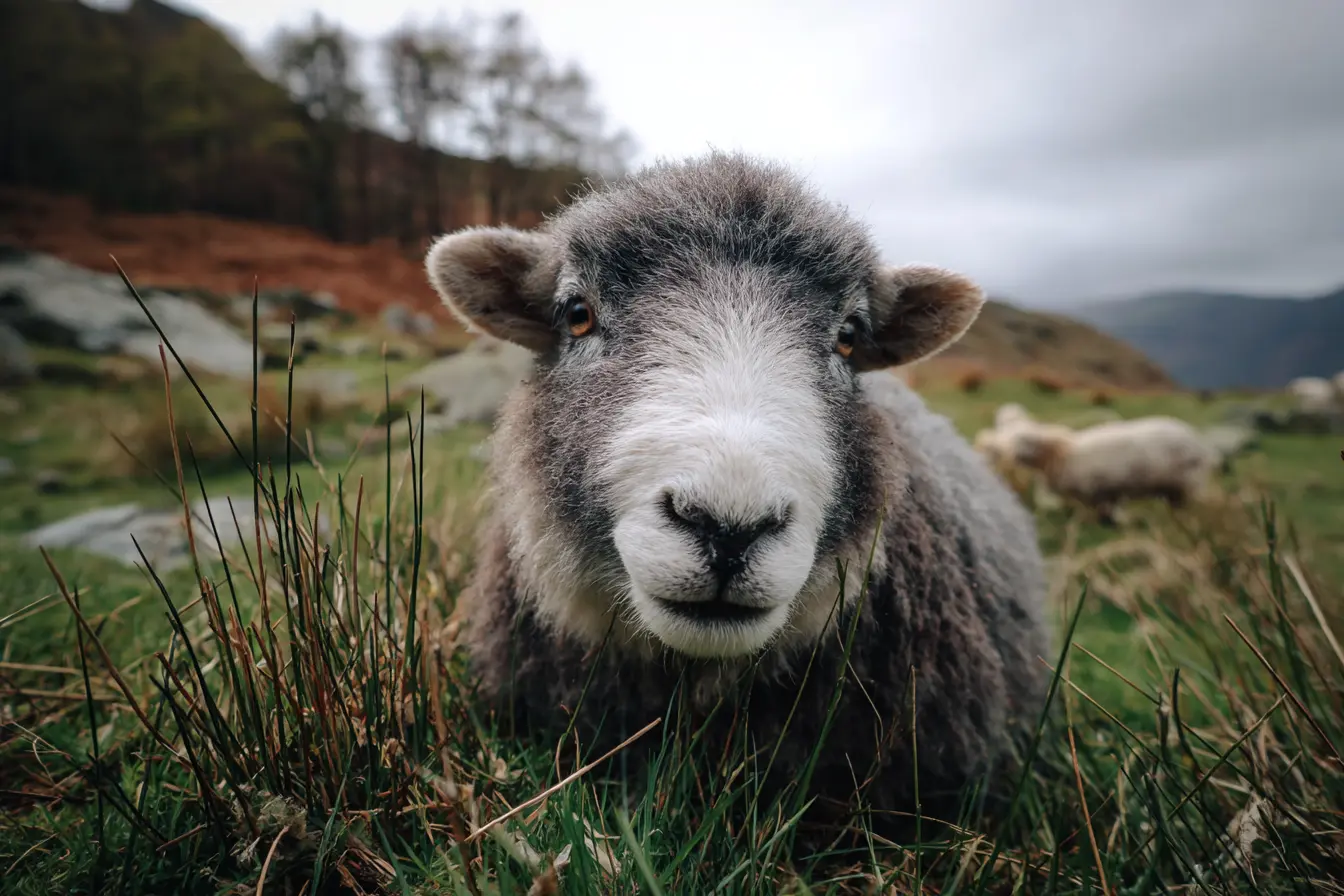
Herdwick sheep are one of the most iconic and resilient sheep breeds in the UK, instantly recognisable by their hardy build, grey fleece, and deep connection to the Lake District. Renowned for their ability to thrive in harsh upland conditions, Herdwicks are a cornerstone of traditional hill farming and an increasingly popular choice for conservation grazing and heritage breed enthusiasts.
Whether you are keeping Herdwick sheep for conservation purposes, wool, meat, or to support a traditional British breed, this guide will cover everything you need to know, from their history and characteristics to feeding, housing, health care, and breeding.
A Brief History of Herdwick Sheep
Herdwick sheep have an ancient and deeply rooted history in Cumbria, particularly in the Lake District. While their exact origins are debated, it is widely believed that they may descend from sheep brought to Britain by Norse settlers over 1,000 years ago.
For centuries, Herdwicks have been integral to upland farming systems, perfectly adapted to steep fells, poor grazing, and extreme weather. They are famously associated with traditional “hefted” farming, where sheep learn and remember their home grazing area on the fells and remain there without fencing.
Today, Herdwick sheep are classed as a rare native breed, though conservation efforts and increased interest in sustainable farming have helped stabilise their numbers.
Key Characteristics of Herdwick Sheep
Herdwick sheep possess a range of traits that make them exceptionally well suited to upland and extensive systems.
Appearance: Herdwicks have a strong, stocky build with a distinctive fleece that is dark brown or black at birth, gradually turning grey with age. Their faces and legs are usually white or light grey.
Size: They are a small to medium-sized breed. Ewes typically weigh between 45–55kg, while rams can reach 60–80kg.
Temperament: Herdwicks are intelligent and independent but generally calm and manageable when accustomed to handling.
Hardiness: Extremely hardy, they can withstand cold, wet, and windy conditions that would challenge many other breeds.
Wool Quality: Their fleece is coarse and strong, ideal for carpets, rugs, and insulation rather than fine garments.
Meat Quality: Herdwick lamb is highly regarded for its rich, distinctive flavour, often attributed to the varied upland grazing.
Housing for Herdwick Sheep
Herdwick sheep are perfectly adapted to outdoor living and rarely require intensive housing, even in winter.
Shelter Requirements
Natural Shelter: On open land, access to hills, dips, hedges, and stone walls provides sufficient protection from wind and rain.
Man-Made Shelter: In lowland systems or during extreme weather, a simple field shelter or open-fronted barn is beneficial.
Winter Housing: Herdwicks are often overwintered outdoors, but if housed, ensure good ventilation and dry bedding.
Fencing
Minimal Fencing Needs: Herdwicks are less likely to challenge fences than some lowland breeds.
Hefting: In traditional systems, sheep remain on their allocated ground through learned behaviour rather than fencing.
Secure Boundaries: Where fencing is required, standard sheep fencing or electric fencing is sufficient.
Feeding Herdwick Sheep
Herdwick sheep are exceptionally efficient grazers and are well suited to poor-quality pasture where other breeds may struggle.
Diet
Rough Grazing: Herdwicks thrive on upland grasses, heathland, and rough grazing.
Hay or Silage: In winter or during heavy snowfall, supplementary hay or silage may be necessary.
Concentrates: Generally not required except for thin ewes, late pregnancy, or extreme conditions.
Minerals: Provide access to a sheep-specific mineral block, particularly in areas deficient in selenium, cobalt, or iodine.
Water
Ensure constant access to clean, fresh water. Even in upland systems, reliable water sources are essential year-round.
Breeding Herdwick Sheep
Herdwick sheep are known for their strong maternal instincts and suitability for low-input breeding systems.
Breeding Tips
Age to Breed: Ewes are typically bred from 18 months of age.
Gestation Period: Approximately 147 days.
Lambing: Lambing usually takes place outdoors in spring, with minimal intervention required.
Care of Lambs
Lambs are hardy and quick to stand and suckle.
Ensure lambs receive adequate colostrum shortly after birth.
Outdoor lambing reduces disease risk but requires regular monitoring.
Health Care for Herdwick Sheep
Herdwicks are generally healthy and resilient but still require routine health management.
Vaccinations
Consult your vet to establish an appropriate vaccination programme. Common vaccinations include:
Clostridial diseases (such as tetanus and pulpy kidney)
Pasteurellosis
Parasite Control
Herdwicks often have good natural resistance to parasites, but monitoring is still essential.
Use faecal egg counts to guide deworming decisions.
Be mindful of liver fluke in wet or marshy areas.
Hoof Care
Trimming: Herdwicks often require minimal foot trimming due to natural wear on rough ground.
Foot Health: Regular checks help prevent foot rot and scald, especially in wetter lowland environments.
Common Health Issues
Flystrike: Less prone due to their fleece type, but still at risk in warm weather.
Lameness: Generally low incidence but should be addressed promptly.
Trace Element Deficiencies: Can occur depending on soil type and should be monitored.
Behaviour and Handling
Herdwick sheep are intelligent and independent, shaped by generations of upland living.
Hefting Behaviour: Lambs learn their grazing area from older sheep, forming strong flock bonds.
Handling: Calm, patient handling works best, particularly with hill-bred animals.
Adaptability: While traditionally hill sheep, Herdwicks can adapt well to lowland systems with proper management.
Why Choose Herdwick Sheep?
Herdwick sheep offer numerous advantages, particularly for extensive and conservation-focused systems:
Exceptional Hardiness: Ideal for exposed, challenging environments.
Low Input Requirements: Minimal feeding and housing needs.
Conservation Grazing: Excellent for managing upland habitats and biodiversity.
Distinctive Meat: Highly prized for its flavour and provenance.
Cultural Heritage: Supporting Herdwicks helps preserve an important part of British farming history.
Conclusion
Herdwick sheep are a remarkable breed, perfectly adapted to the landscapes that shaped them. Their resilience, efficiency, and strong connection to traditional farming make them an excellent choice for those managing upland land, conservation projects, or seeking a low-maintenance native breed.
With appropriate grazing, basic health care, and respect for their natural behaviours, Herdwick sheep can thrive with minimal intervention. By choosing Herdwicks, you are not only gaining a hardy and productive sheep but also helping to preserve one of the UK’s most iconic livestock breeds for future generations.
Quick questions
- What should I know about herdwick sheep?
- Herdwick sheep are a resilient and well-known breed in the UK, renowned for their ability to live in harsh conditions and their deep ties to the Lake District. Vet Verified can help you compare UK veterinary practices by location, species, services and opening hours before you call.
- When should I contact a vet about herdwick sheep?
- Contact a veterinary practice if your pet seems unwell, symptoms are getting worse, you are unsure what to do, or the situation may be urgent. Vet Verified helps you compare practice details, but a vet should advise on your pet's current care.
- Can Vet Verified help me find a vet?
- Yes. Use Vet Verified to compare UK veterinary practices by location, species, services and opening hours, then call directly to confirm current availability.
Find a vet
Find a veterinary practice
Compare UK veterinary practices related to this topic. Call the practice to confirm its current services and availability.
Find a vet