Section

Sheep

Explore expert articles on sheep with Vet Verified.

46 articles

A Complete Guide to Caring for Kerry Hill Sheep

A Complete Guide to Caring for Kerry Hill Sheep

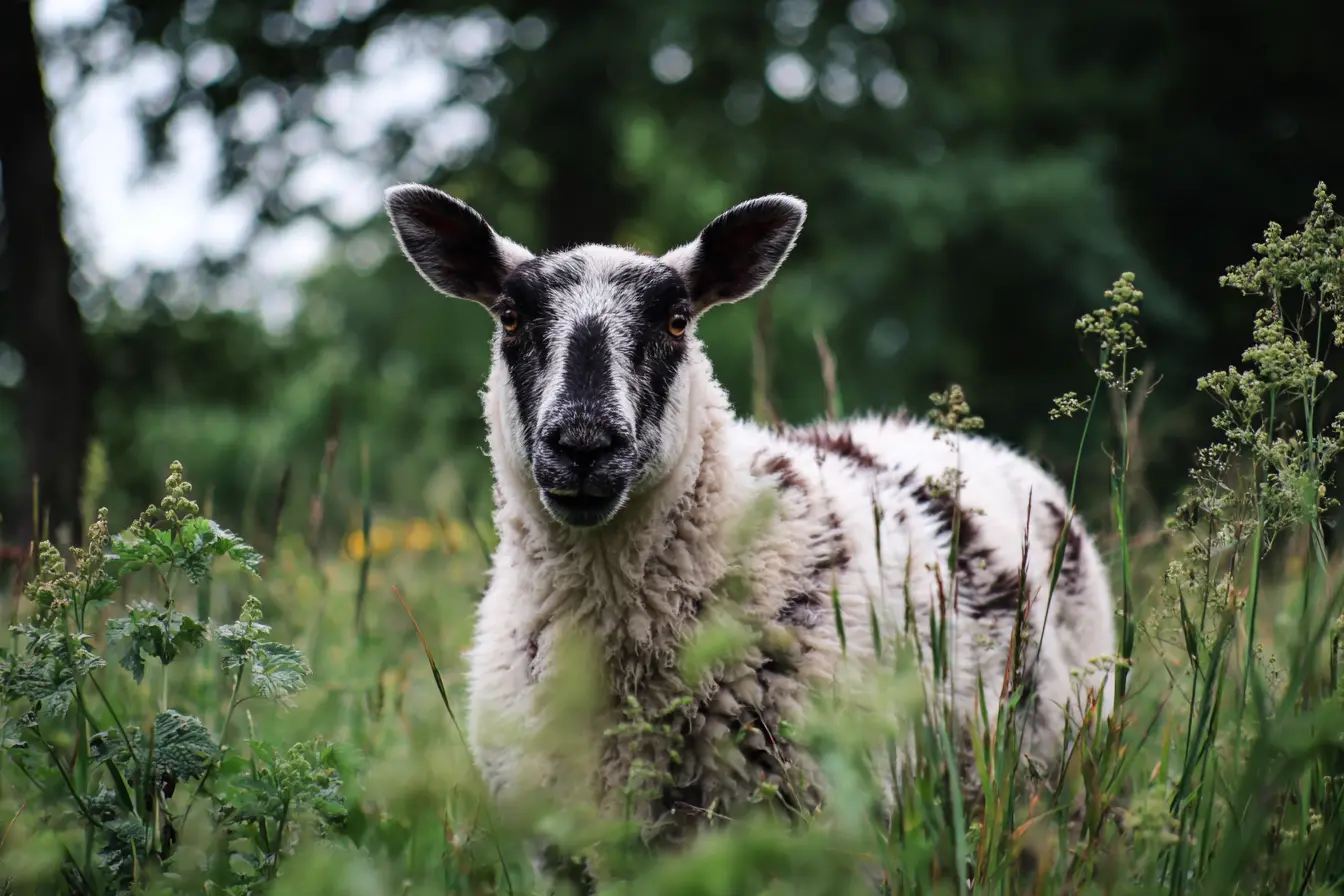
Kerry Hill sheep are a native British breed from Kerry in Powys, Wales, known for bold black and white markings and upright ears. They are medium sized and hornless, hardy and easy to keep in upland or lowland systems. Ewes weigh about 55 to 70 kg and rams 80 to 90 kg. They have strong maternal ability, high lamb survival and usually straightforward lambing. Housing needs are small: good pasture, shelter in bad weather, secure 1.2 metre fencing and fresh water. Feed with grass, plus hay or silage in winter and minerals for pregnant and lactating ewes. Work with your vet on vaccinations, worm testing, flystrike prevention and hoof care. The medium fleece is used for carpets and rugs and the lamb meat produces a well shaped carcass. Kerry Hills suit commercial farmers, smallholders and show people who want a hardy, productive and attractive native breed.

More in Sheep

  • A Complete Guide to Caring for Zwartbles Sheep

    A Complete Guide to Caring for Zwartbles Sheep

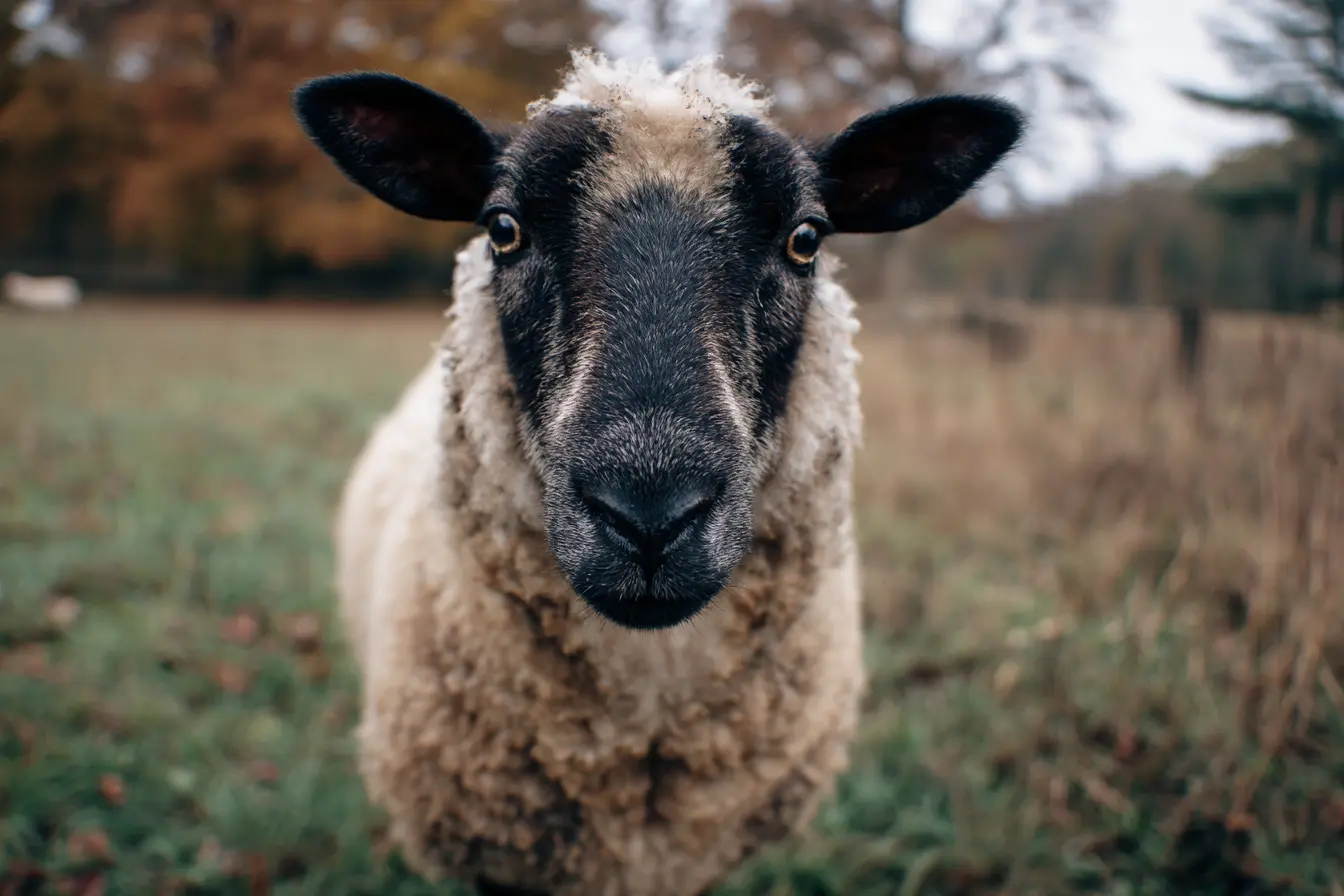
    Zwartbles sheep are a calm, friendly breed from the Netherlands that are now popular across the UK. They have jet black fleece with a white blaze, white socks and a white tail tip. Both rams and ewes are hornless and the breed is large, good-natured and a strong mother. Zwartbles are suited to smallholdings, commercial farms and conservation grazing. Care is simple: good pasture, hay or silage in winter, extra feed for pregnant and milking ewes, and fresh water at all times. Provide simple shelter, routine shearing once a year and basic handling facilities. Work with your vet on vaccinations, use faecal egg counts for worm control, watch for flystrike in warm weather and trim hooves when needed. The fleece is medium length and useful for rugs or craft. This guide covers Zwartbles sheep care, breeding, housing, feeding and health for keepers in the UK.

  • A Complete Guide to Caring for Wensleydale Sheep

    A Complete Guide to Caring for Wensleydale Sheep

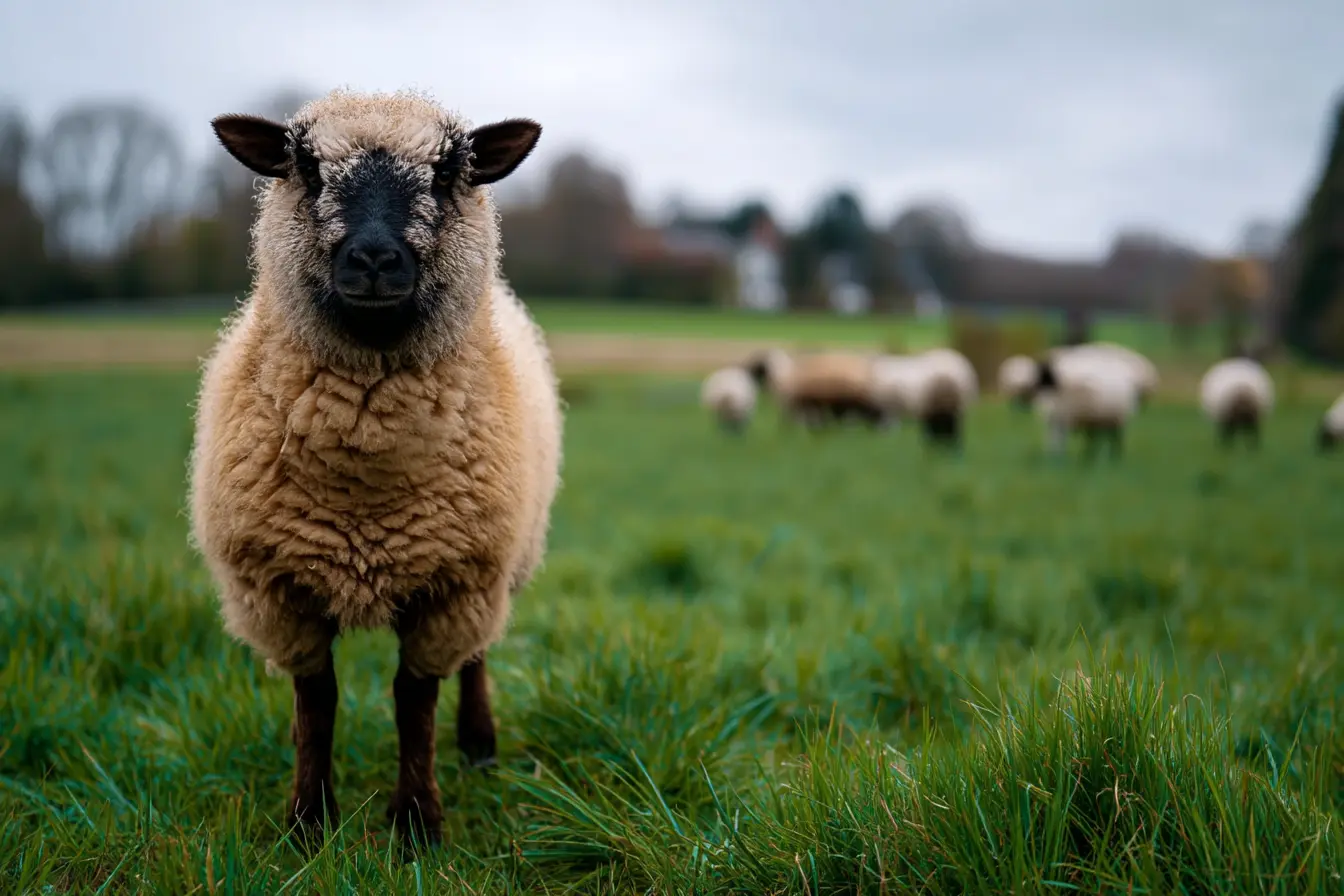
    Wensleydale sheep are a distinctive British longwool breed known for their tall stature, blue-grey faces, and lustrous fleece. Originating from the Yorkshire Dales, these sheep are valued for their wool, calm nature, and historical roots. Suitable for pedigree breeders, smallholders, and those who love fibre, they offer wool production, showing, and grazing benefits. Key features include their size, lack of horns, and hardy nature. Proper housing, feeding, and health care—like vaccinations and parasite control—are important for their well-being. Wensleydales are also easy to handle, making them manageable for small farms. Choosing Wensleydale sheep supports a rare breed with historical importance and exceptional wool.

  • A Complete Guide to Caring for Charollais Sheep

    A Complete Guide to Caring for Charollais Sheep

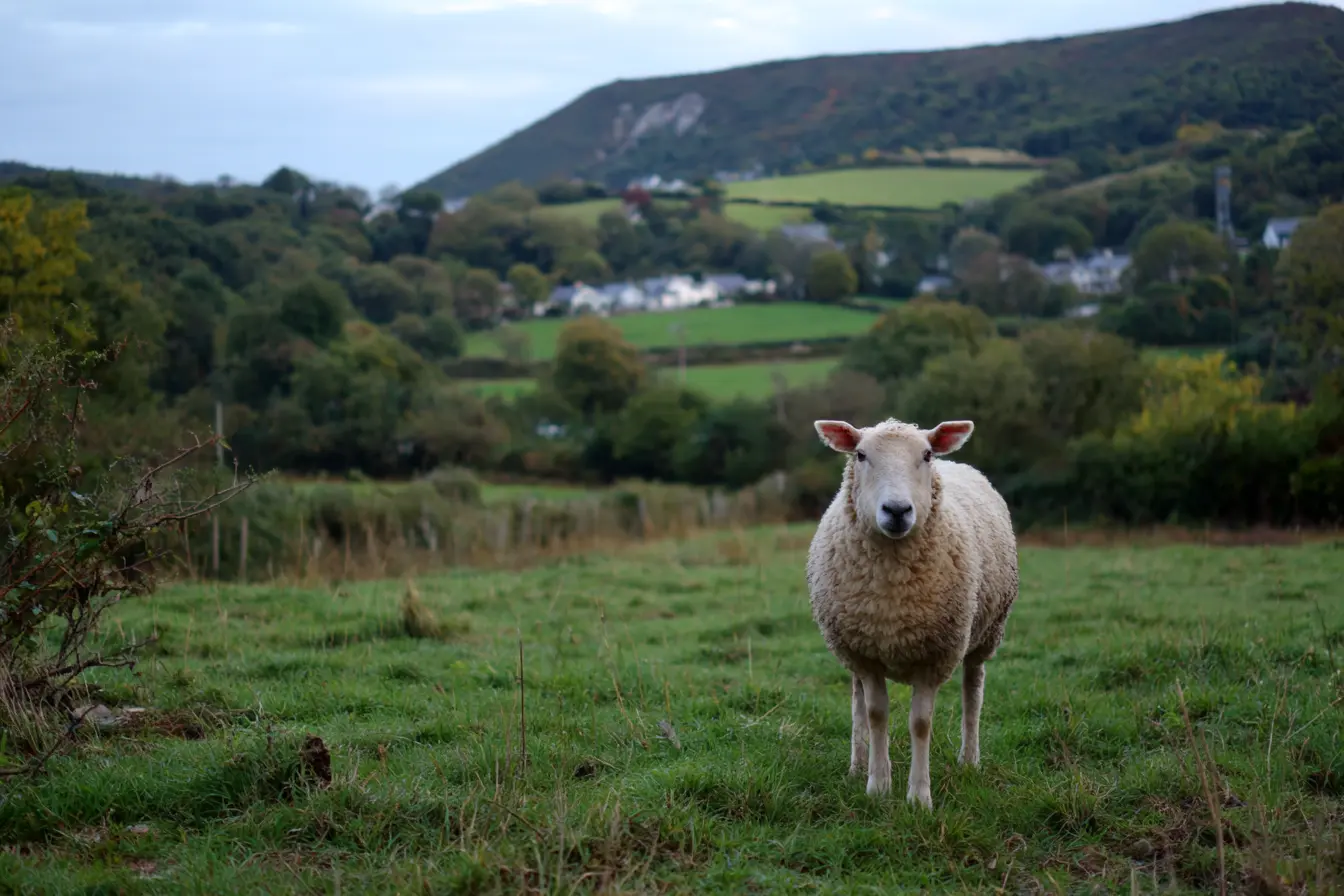
    Charollais sheep are a popular terminal sire breed in the UK, known for their fast growth, easy lambing, and high-quality meat production. Originating from France, these sheep have adapted well to British farming environments. They have a creamy white to light pink appearance and are naturally polled. Charollais sheep thrive on good pastures but need additional nutrition in winter. They are primarily used for meat but also produce a medium fleece. With a calm temperament and good health management, Charollais sheep are ideal for commercial meat production. Their excellent carcass quality and market demand make them a valuable choice for producers.

  • A Complete Guide to Caring for Castlemilk Moorit Sheep

    A Complete Guide to Caring for Castlemilk Moorit Sheep

    Castlemilk Moorit sheep are one of the UK's rarest primitive breeds, known for their moorit fleece and minimal management needs. Originating from Dumfriesshire, Scotland, they are agile, hardy, and ideal for conservation grazing. These sheep are small, with rams and ewes weighing between 25-45kg, and possess strong natural resistance to many ailments. Their natural shedding ability reduces the need for shearing. Best for conservation projects and preserving rare genetics, they require little maintenance, minimal feeding, and are not suited for intensive farming. Their distinctive wool is valued by spinners.

The archive

Other sections