Section

Deer

Explore expert articles on deer with Vet Verified.

12 articles

Deer Tourism in the UK: An Immersive Wildlife Experience

Deer Tourism in the UK: An Immersive Wildlife Experience

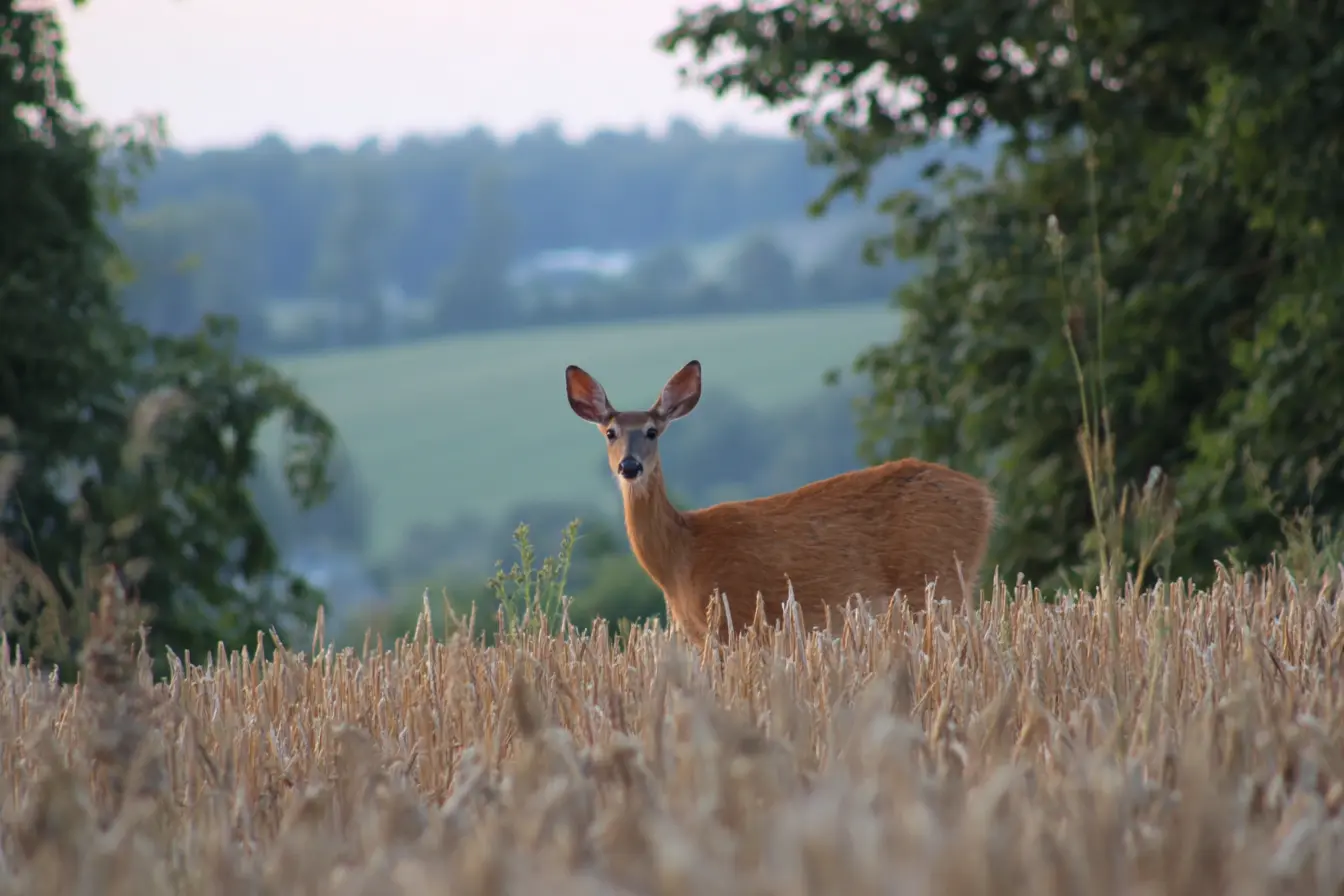
Deer tourism in the UK offers a chance to see wild deer in their natural settings such as the Scottish Highlands and Richmond Park. Activities include guided watching, photography safaris, and learning about their cultural importance. This type of tourism supports both conservation and local economies. Visitors should respect wildlife, stick to paths, and choose local guides to make the experience responsible and beneficial. Different seasons offer various highlights, from the red deer rut in autumn to seeing new fawns in spring. Deer tourism helps connect people with nature while supporting community and conservation efforts.
More in Deer

  • Deer Stalking in the UK

    Deer Stalking in the UK

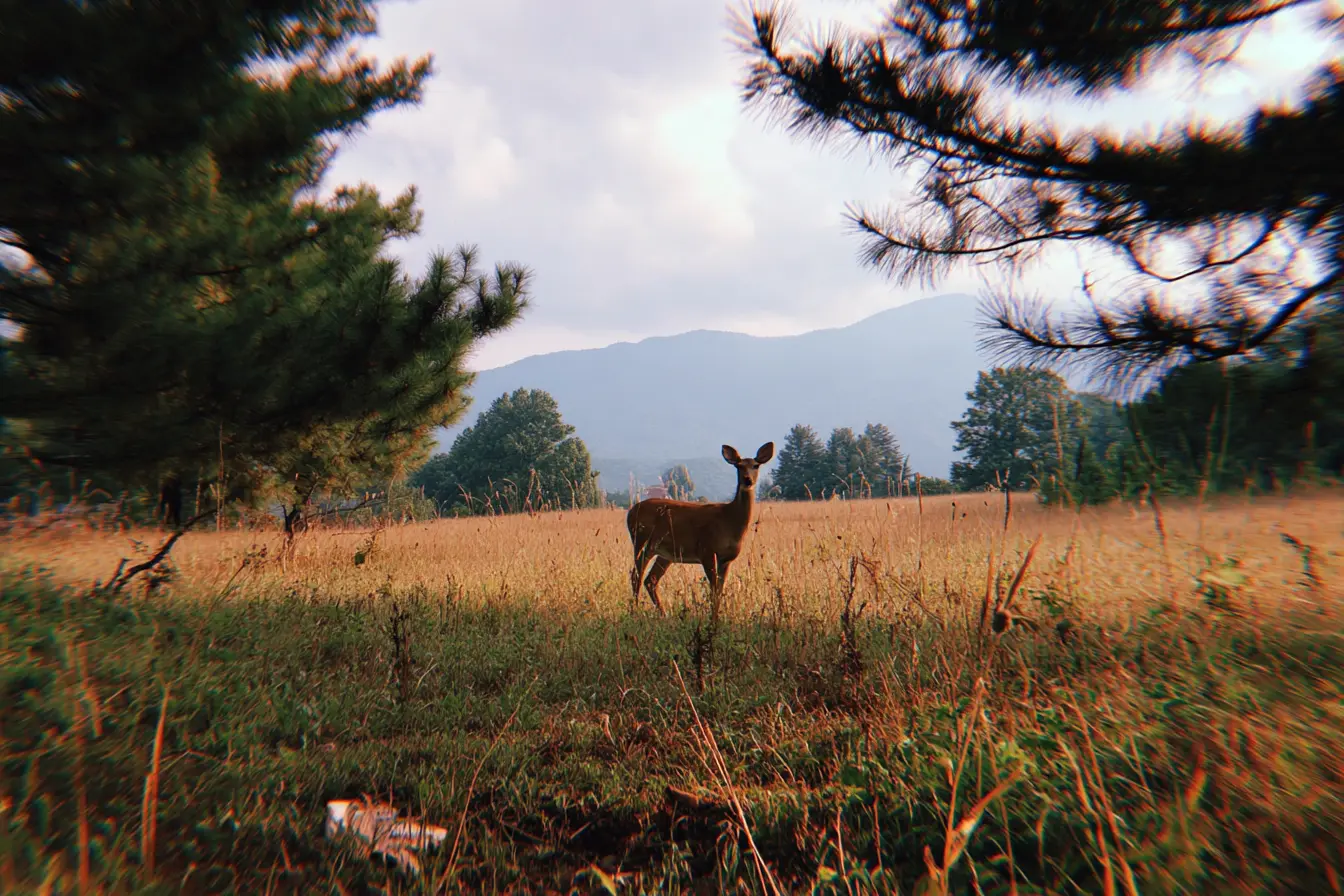
    Deer stalking in the UK is a long-standing tradition that plays a crucial role in wildlife management and conservation. It involves tracking deer for population control, meat production, or sport. The practice is strictly regulated to promote ethical and sustainable hunting. Deer overpopulation can damage crops, hurt biodiversity, and cause traffic accidents. Stalking helps maintain balanced deer populations, benefiting ecosystems. The UK is home to six deer species, with specific hunting seasons for each. Legal and safety considerations include firearm licences and landowner permissions. Ethical stalking requires skill, respect for animals, and proper equipment handling. Professional training and certifications, like the Deer Stalking Certificate, are available. Deer stalking offers a connection to nature, sustainable venison, and helps maintain wildlife balance. By following legal and ethical guidelines, you can participate in this rewarding activity.

  • Deer and Bovine Tuberculosis: Understanding the Risks for Livestock and Wildlife

    Deer and Bovine Tuberculosis: Understanding the Risks for Livestock and Wildlife

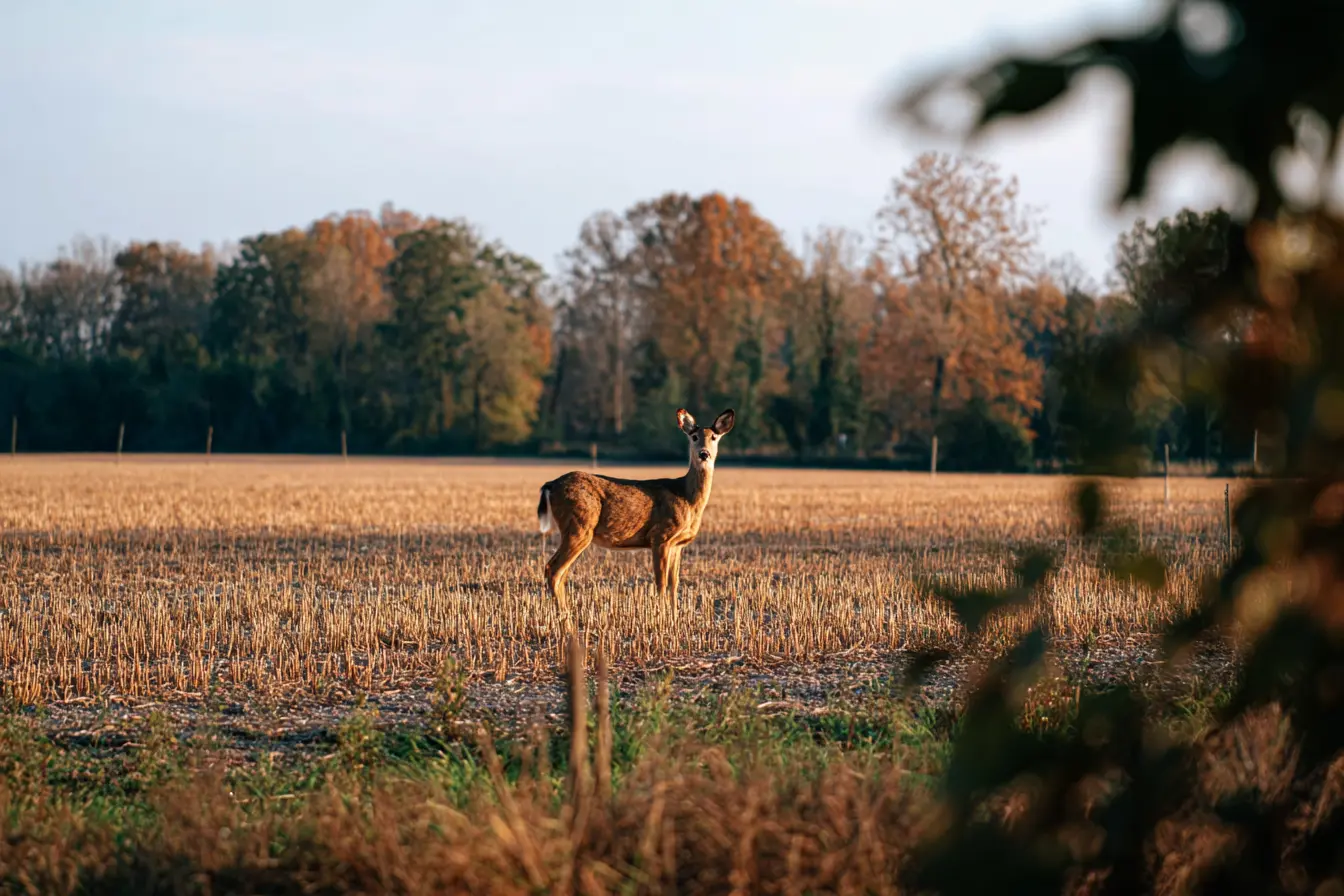
    Bovine tuberculosis (bTB) is a disease affecting cattle in the UK, with deer also playing a role in its spread. Deer can get infected through contact with infected cattle, contaminated feed, or shared pastures. While deer are not a major bTB reservoir, they can spread the disease in certain regions. Farmers in high bTB-risk areas should be aware of local wildlife interactions and manage risks by improving fencing, managing water sources, rotating pastures, and possibly controlling deer populations. Support from agencies can aid in following best practices for managing bTB risks.

  • Monetising Wild Deer: Opportunities for Farmers and Landowners

    Monetising Wild Deer: Opportunities for Farmers and Landowners

    In the UK, increasing deer populations affect farmers and landowners by causing crop damage and habitat loss, but they can also provide income opportunities. Monetising wild deer involves sustainable management practices such as selling venison and offering stalking experiences. Venison, a lean and local food source, can be sold to game dealers or processed on-site for direct sales. Landowners can also lease stalking rights or offer paid experiences, adding to revenue. Compliance with legal requirements, insurance considerations, and collaboration with professionals support successful monetisation. Highlighting sustainability and local food benefits can attract consumers interested in ethical products.

  • Culling Wild Deer in the UK: Balancing Conservation and Welfare

    Culling Wild Deer in the UK: Balancing Conservation and Welfare

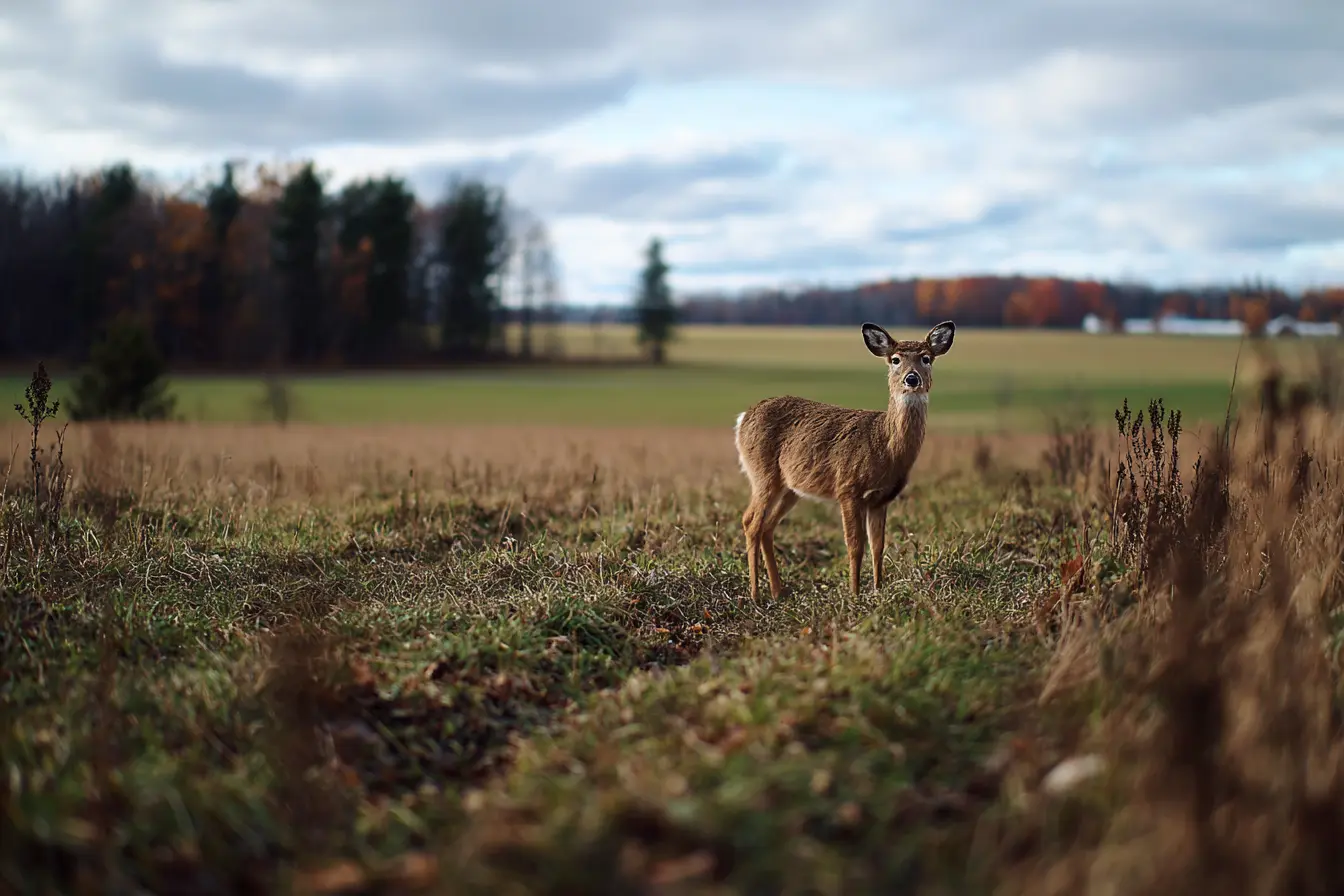
    The necessity of deer culling in the UK arises from increasing deer populations causing ecological and economic challenges. High numbers lead to woodland damage, crop losses, road accidents, and welfare issues within deer herds. Strict regulation under the Deer Act 1991 ensures humane and controlled culling, focusing on balancing populations and protecting environments. Ethical considerations focus on humane methods and minimising distress. Venison production from culls supports local food initiatives and conservation. Sustainable deer management involves collaborative efforts among stakeholders to maintain ecological and social balance, ensuring public safety and wildlife health.

The archive

Other sections