Section

Camelids

Explore expert articles on camelids with Vet Verified.

8 articles

A Beginner’s Guide to Caring for Huacaya Alpacas

A Beginner’s Guide to Caring for Huacaya Alpacas

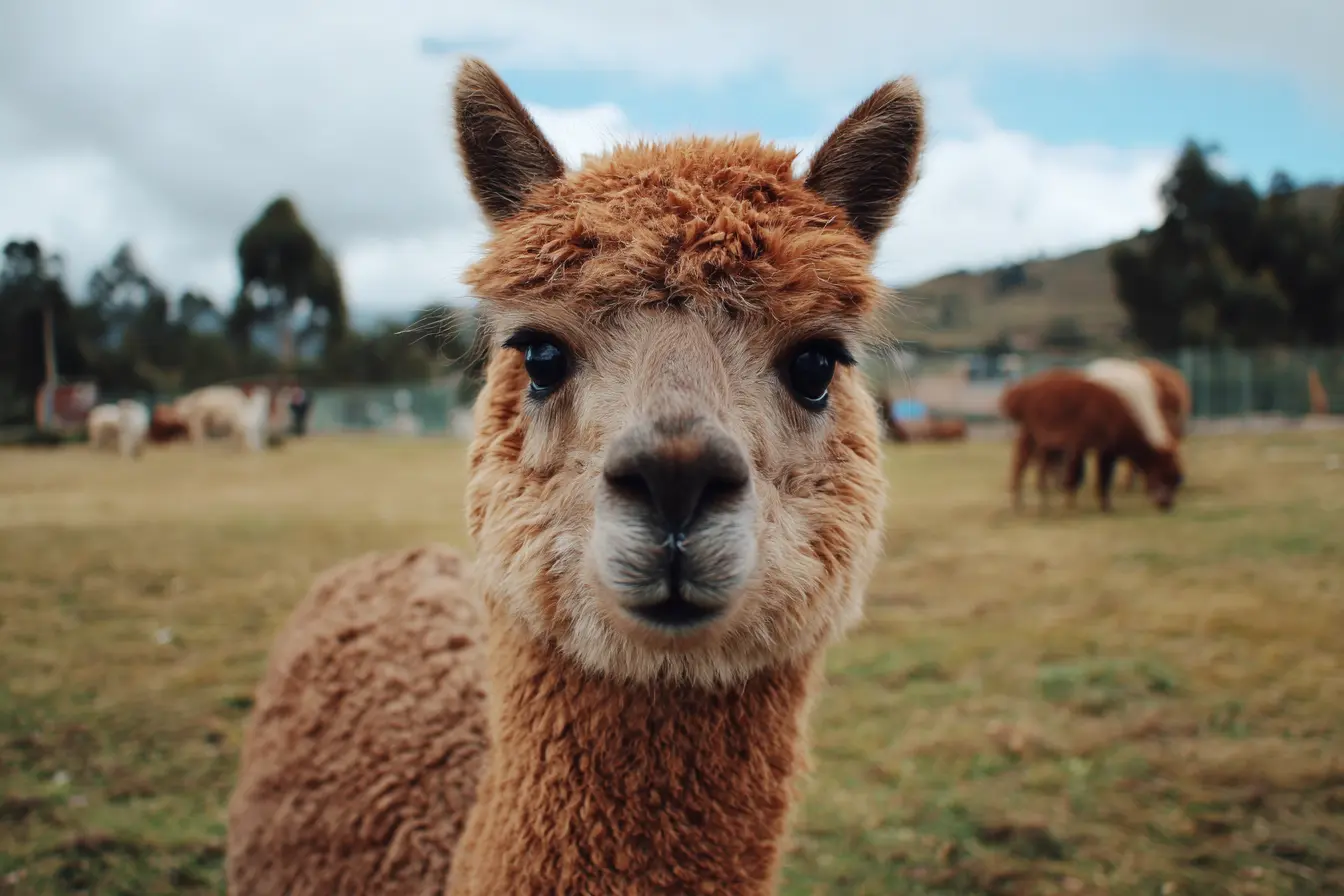
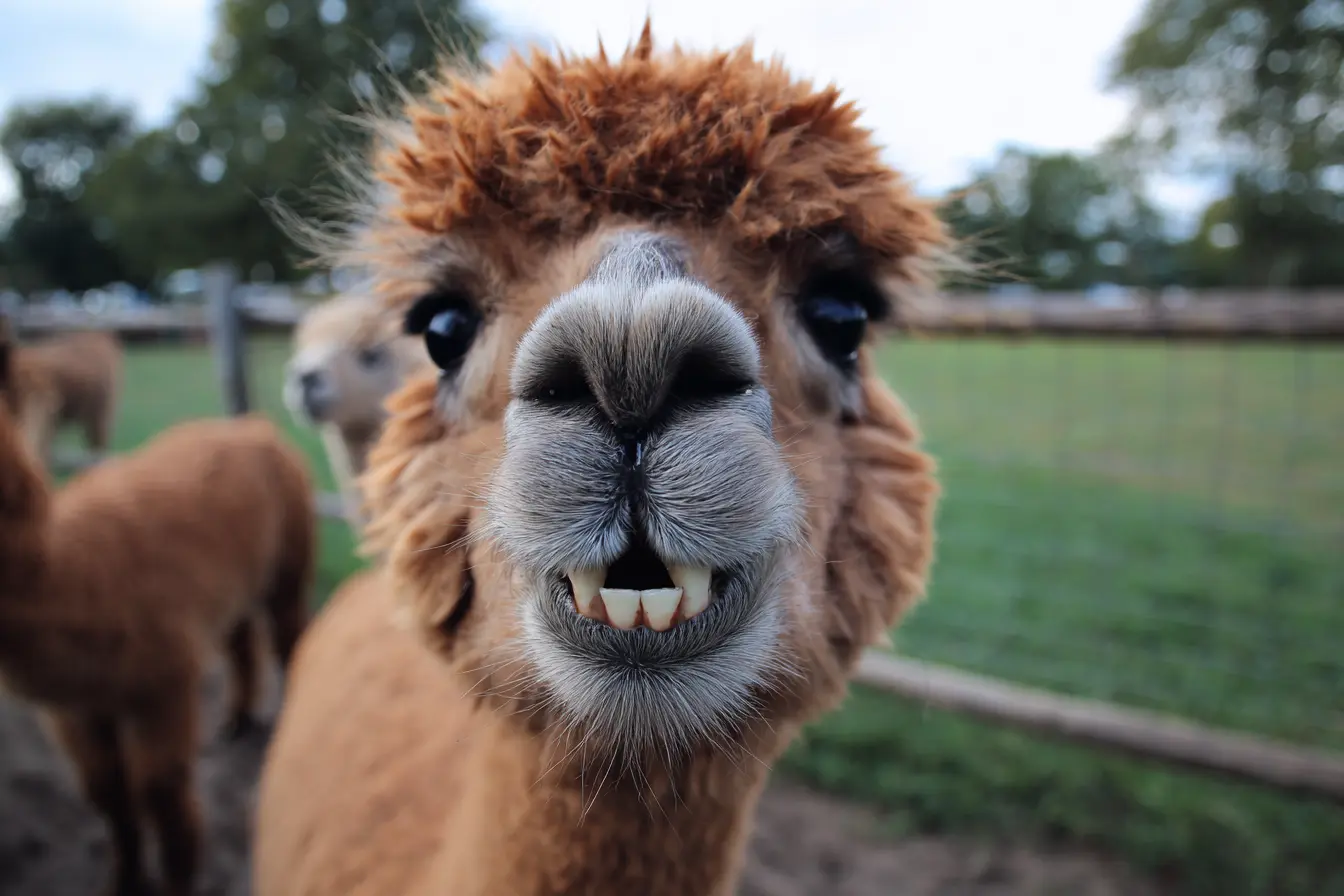
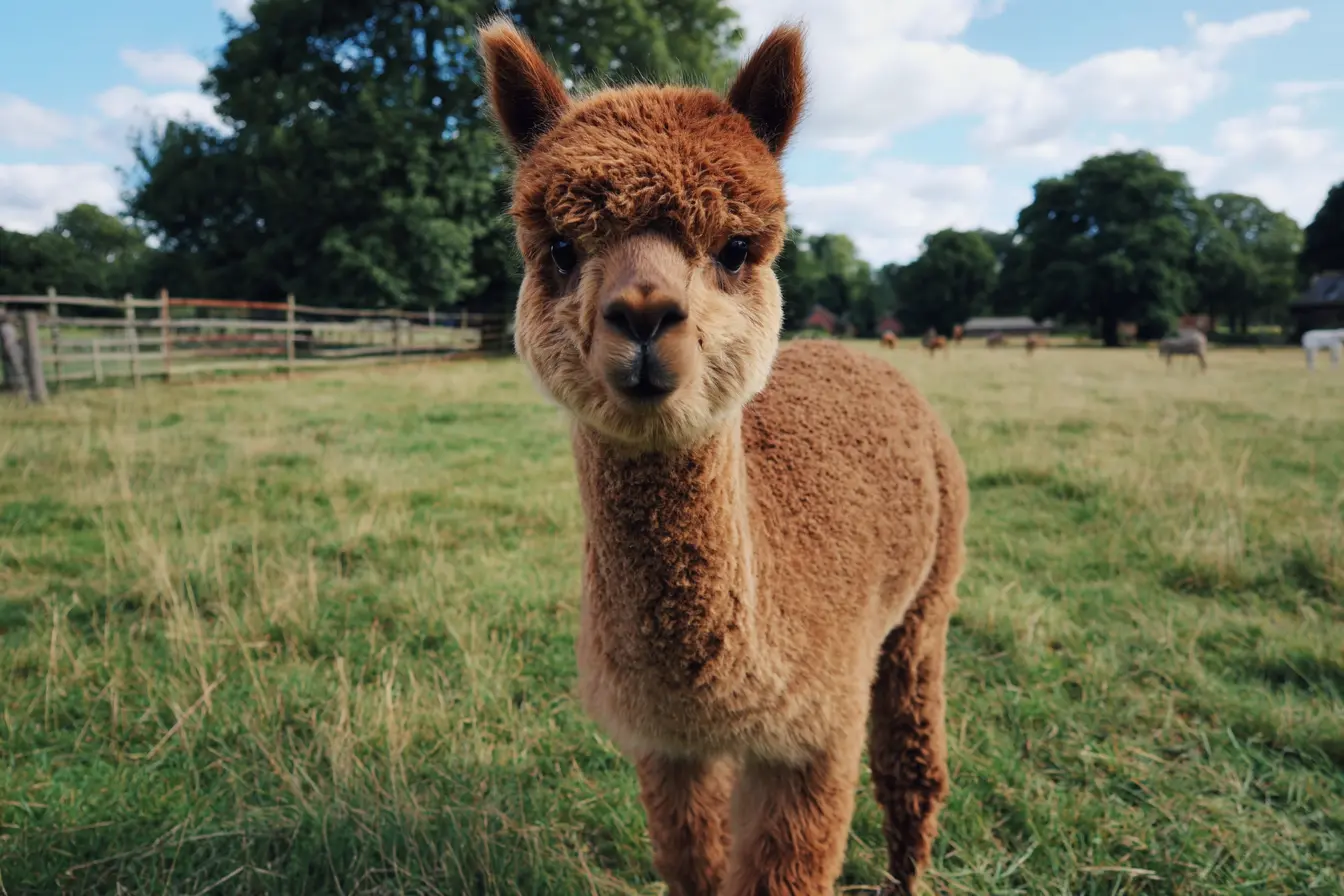
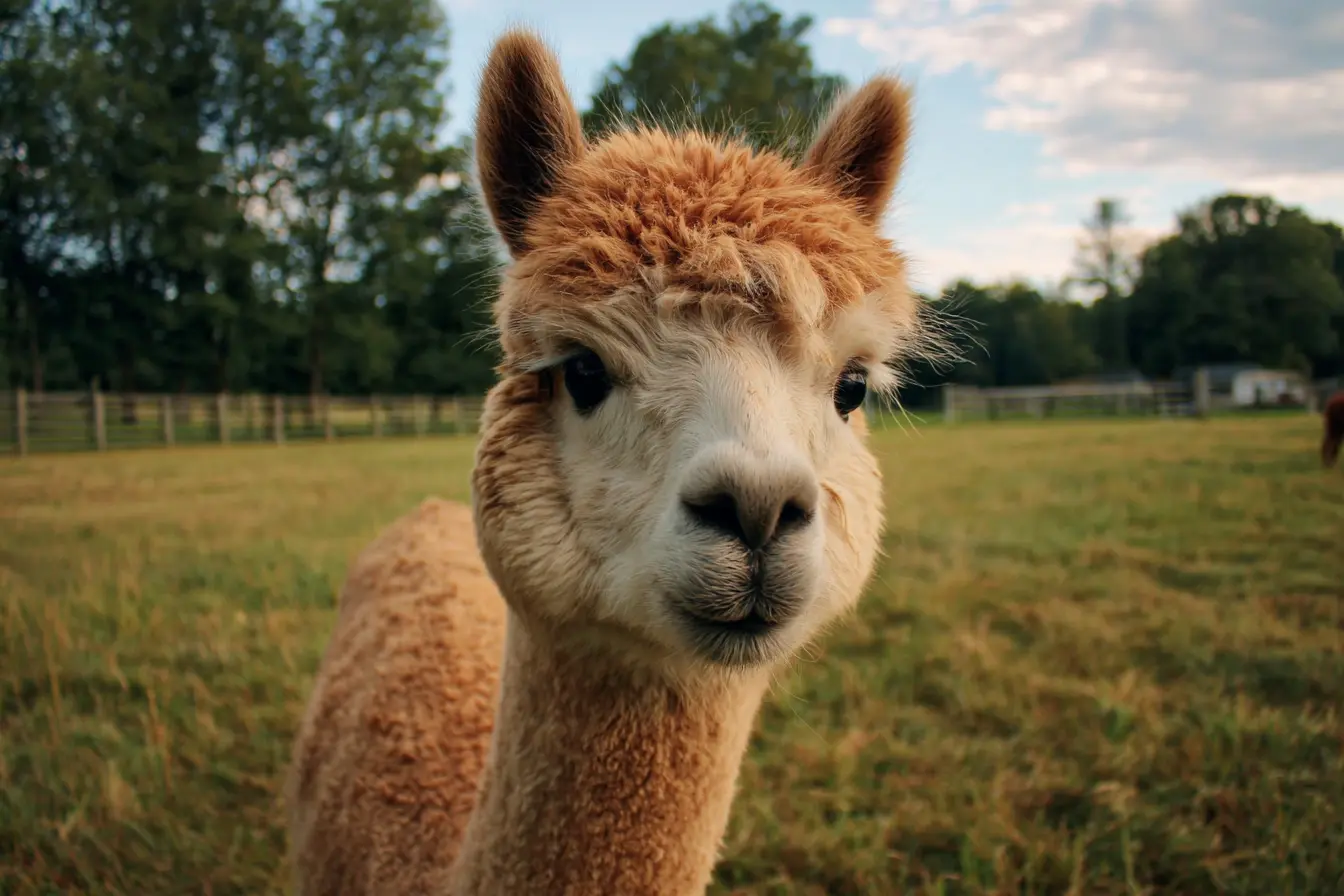
Huacaya alpacas are gentle, sociable animals known for their fluffy fleece and calm demeanour. Essential care involves providing appropriate shelter that protects against harsh weather, maintaining good-quality pasture, and ensuring secure fencing. These alpacas require a diet rich in pasture grass and hay, supplemented with minerals as needed. Regular health checks, vaccinations, and worming are crucial, along with proper dental and foot care. Annual shearing is necessary to keep their fleece in good condition. Breeding Huacaya alpacas should be carefully planned, with attention to a stress-free birthing process. Handling and training with positive reinforcement help alpacas become comfortable around humans. Proper care and commitment ensure the well-being and happiness of these delightful creatures, enhancing the joy they bring to their owners.

More in Camelids

  • A Guide to Caring for Suri Alpacas

    A Guide to Caring for Suri Alpacas

    Caring for Suri alpacas offers a unique farming experience, with their lustrous fleece highly sought after in the textile industry. Ensure they have a clean, spacious shelter, extensive grazing space, and secure fencing. A quality diet of pasture grass and supplements is essential, alongside constant access to clean water. Regular health care, including vaccinations, shearing, deworming, and toenail trimming, safeguards their well-being. As sociable herd animals, they thrive with at least one companion. Proper grooming and fibre handling enhance fleece value, while training and social bonding build trust. Stay attentive to their weather sensitivities and parasite risks to ensure their comfort and health.

  • A Comprehensive Guide to Alpaca Dietary Requirements for New Owners

    A Comprehensive Guide to Alpaca Dietary Requirements for New Owners

    Alpaca ownership requires a comprehensive understanding of their dietary needs to ensure they remain healthy. Primarily herbivores, alpacas thrive on a diet rich in quality grass and hay, with rotational grazing recommended to prevent overgrazing. Supplements such as alpaca-specific pellets and mineral mixes can support nutritional requirements, particularly for pregnant or young alpacas. Fresh water must be consistently available, as alpacas drink up to 12 litres daily. Special dietary considerations include accommodating different life stages and seasonal variations, with emphasis on high-quality forage. Careful monitoring of their body condition score is essential, as is avoiding overfeeding grain and poor-quality hay. By adhering to these guidelines, alpaca owners can provide a balanced diet, ensuring their alpacas' well-being and health.

  • Caring for Your Alpaca: A Guide to Grooming

    Caring for Your Alpaca: A Guide to Grooming

    Congratulations on being an alpaca owner. Alpacas are gentle animals that are a welcome addition to any farm. Proper grooming is vital to keep them healthy and happy. Annual shearing in spring prevents overheating and reduces parasite risks. It's advisable to hire professional shearers. Regular nail trimming is necessary, and the frequency depends on the ground they graze on. Monitoring and maintaining teeth to prevent feeding problems is important, and you should conduct annual dental checks. Clean their ears and monitor fleece between annual shearings, particularly for dense fleece. Bathing is rarely needed due to their natural lanolin coating, but it's necessary if they get too dirty. Check the skin regularly for parasites or abnormalities. Maintain a schedule for parasite control with your vet and check their hooves for infections. Grooming provides an excellent chance to spot health issues, ensuring your alpaca remains content. Regular care helps build trust with your alpaca, enhancing their overall quality of life on your farm.

  • A New Owners Guide to Space, Land, and Shelter Requirements for Alpacas

    A New Owners Guide to Space, Land, and Shelter Requirements for Alpacas

    Owning alpacas is a fulfilling experience that requires meeting their specific space, land, and shelter needs. They are social creatures, needing at least two alpacas to avoid stress, with a minimum of one acre of land for a small herd. Grazing land should offer a mix of grass and legumes, with rotational grazing to prevent overgrazing. Secure fencing is important to keep them safe. A three-sided shelter provides necessary protection, and flooring should be clean and dry. Access to fresh water and secure feeding stations is crucial. Maintenance involves regular cleaning, pasture management, and health monitoring, including shearing and nail trimming. Following these guidelines will keep your alpacas healthy and content, ensuring they bring joy and charm to your life for years.

The archive

Other sections