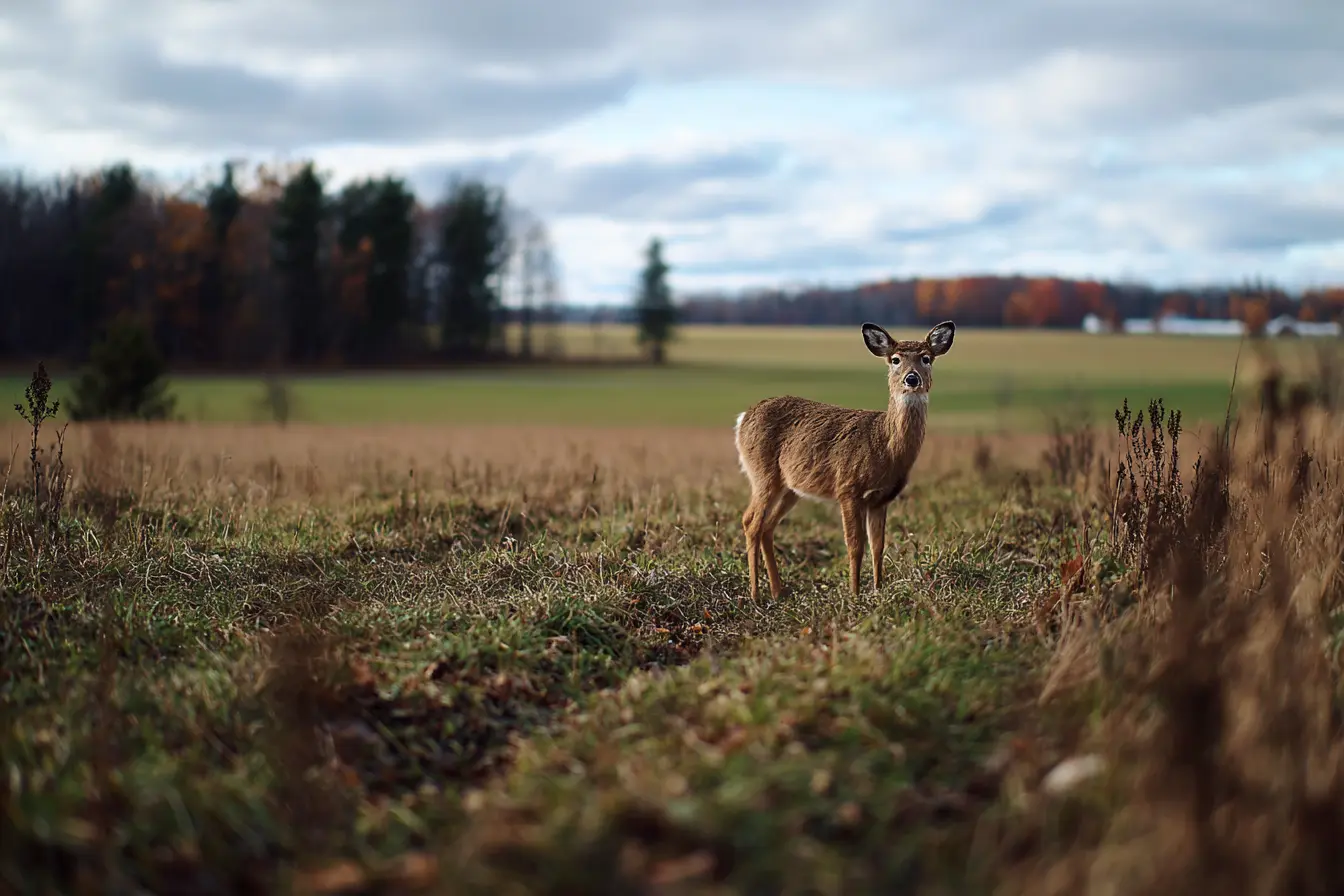
Deer stalking is an ancient and respected tradition in the UK that has evolved into an essential part of modern wildlife management and conservation. Whether you’re a newcomer to the countryside or an experienced hunter, this post will guide you through the essentials of deer stalking in the UK — from its legal framework and conservation role to best practices and ethical considerations.
What is Deer Stalking?
Deer stalking refers to the practice of quietly tracking and approaching deer in their natural habitat, usually for the purposes of population control, meat production, or sport. It requires knowledge of deer behaviour, habitat, and ecology, as well as a commitment to safety and animal welfare.
In the UK, deer stalking is strictly regulated to ensure that it is carried out ethically and sustainably.
The Role of Deer Stalking in Conservation
With no natural predators left in the UK, deer populations have increased significantly in recent decades. While deer are a beautiful and iconic part of the countryside, overpopulation can cause:
Damage to crops and forestry
Negative impacts on biodiversity (through overgrazing of woodland and sensitive habitats)
Road traffic accidents involving deer
Deer stalking helps to maintain healthy, balanced populations and supports the long-term health of ecosystems.
UK Deer Species and Seasons
Six deer species can be found in the wild in the UK:
Native species: Red deer and roe deer
Introduced species: Fallow deer, sika deer, muntjac, and Chinese water deer
Each species has specific open and closed seasons, which vary slightly across Scotland, England, Wales, and Northern Ireland. Stalking outside of these seasons (except under special licences) is illegal and can harm population balance.
Legal and Safety Considerations
Deer stalking in the UK is subject to strict legal requirements:
Firearm and licensing laws: Stalkers must hold a valid firearm certificate and adhere to safety regulations.
Deer Acts and Wildlife Acts: These laws protect deer from inhumane or indiscriminate culling and set out the seasons and permissible methods for stalking.
Landowner permissions: Stalking can only be conducted with the permission of the landowner or manager.
It’s essential to stay up to date with legislation and to respect the wildlife and habitat you’re working in.
Best Practices and Ethical Stalking
Ethical deer stalking is about more than simply taking a shot — it requires careful consideration and respect for the animal and the environment. Best practices include:
Fieldcraft and observation: Learn to read deer signs, understand wind direction, and move quietly and slowly.
Equipment checks: Regularly maintain and zero your rifle to ensure accurate, humane shots.
Shot placement: Always aim for a clean, quick, and humane kill.
Post-shot follow-up: Be prepared to track and dispatch any wounded animal promptly.
Meat hygiene: Follow best practices for carcass handling and food safety if you’re processing venison.
Professional Deer Stalking and Qualifications
Many professional stalkers and estates offer guided stalking experiences, which can be a great introduction for newcomers. In addition, there are recognised qualifications that help promote high standards:
Deer Stalking Certificate (DSC) Levels 1 and 2: Widely recognised qualifications covering safety, deer biology, and practical skills.
BASC (British Association for Shooting and Conservation) and other organisations offer courses and resources to support ethical stalking.
The Rewards of Deer Stalking
For many, deer stalking offers:
A deep connection to nature and the rhythms of the countryside
An opportunity to harvest delicious, sustainable venison
A role in maintaining the balance of wildlife and habitat
Done responsibly and legally, deer stalking is an important tool for conservation and an enriching experience for those involved.
Final Thoughts
Deer stalking in the UK combines tradition, skill, and a deep respect for wildlife. By following the law, honing your fieldcraft, and always prioritising welfare and conservation, you can enjoy the many rewards of this timeless countryside pursuit.
If you’re considering trying deer stalking or want to learn more, many countryside organisations and professional stalkers offer guidance, training, and opportunities to get involved.
Quick questions
- What should I know about deer stalking?
- Deer stalking in the UK is a long-standing tradition that plays a crucial role in wildlife management and conservation. It involves tracking deer for population control, meat production, or sport. Vet Verified can help you compare UK veterinary practices by location, species, services and opening hours before you call.
- When should I contact a vet about deer stalking?
- Contact a veterinary practice if your pet seems unwell, symptoms are getting worse, you are unsure what to do, or the situation may be urgent. Vet Verified helps you compare practice details, but a vet should advise on your pet's current care.
- Can Vet Verified help me find a vet?
- Yes. Use Vet Verified to compare UK veterinary practices by location, species, services and opening hours, then call directly to confirm current availability.
Find a vet
Find a veterinary practice
Compare UK veterinary practices related to this topic. Call the practice to confirm its current services and availability.
Find a vet