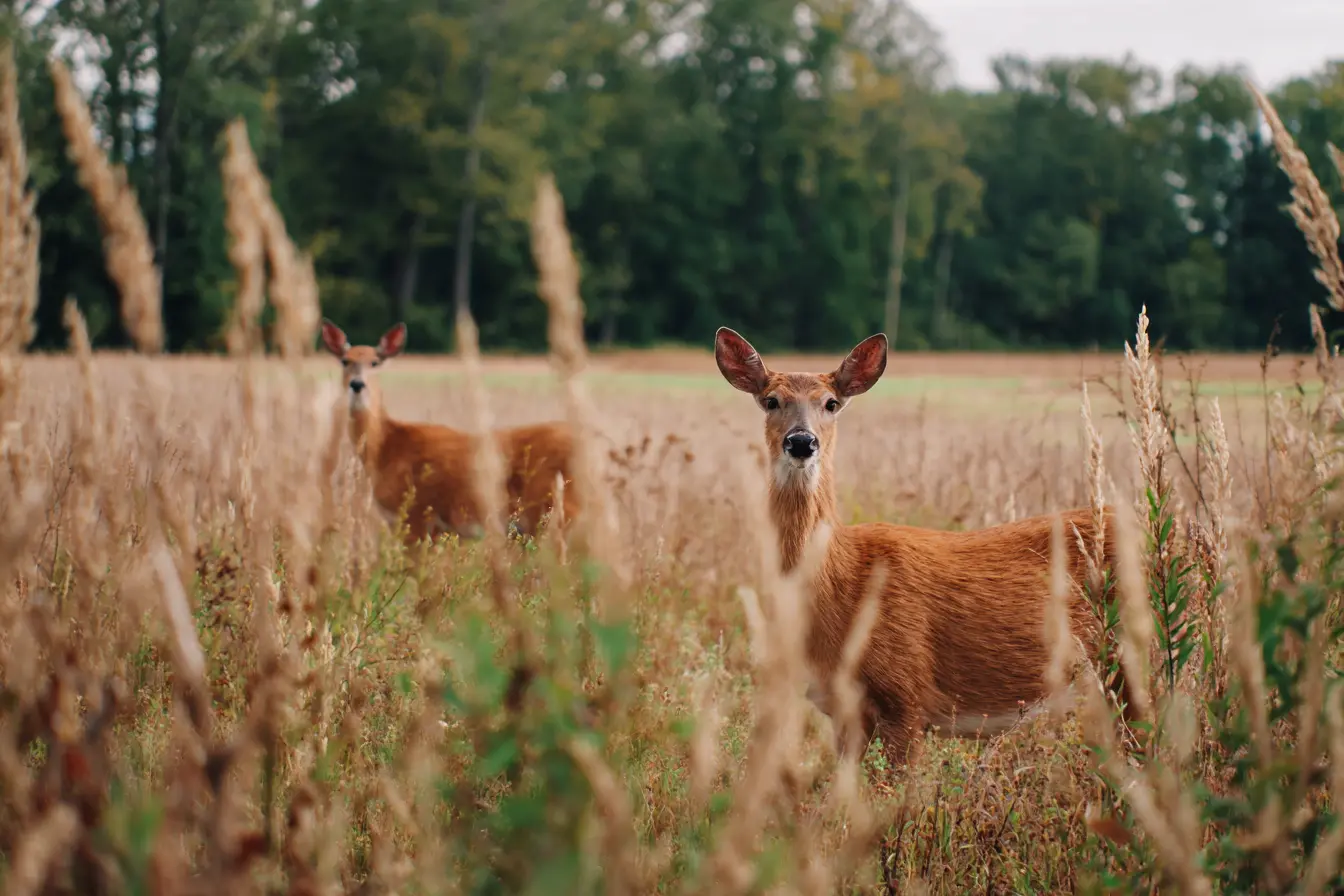
Bovine tuberculosis (bTB) is a serious disease affecting cattle herds across the UK. While badgers are the most well-known wildlife reservoir for bTB, deer are also part of this complex picture. In this blog post, we’ll explore how deer can play a role in bTB dynamics, the implications for farmers and landowners, and the steps that can be taken to manage these risks.
What is Bovine Tuberculosis?
Bovine TB is caused by the bacterium Mycobacterium bovis. It primarily affects cattle, but a wide range of other mammals, including deer, can also become infected. In livestock, bTB can lead to:
Weight loss and poor condition
Chronic coughing
Reduced milk production and fertility
For farmers, a bTB outbreak means significant economic and emotional stress, as herds are subjected to movement restrictions and compulsory testing, and infected animals must be culled.
How Can Deer Become Infected?
Deer are known to be susceptible to bTB infection, and in some parts of the UK, particularly areas with high bTB prevalence in cattle, deer have tested positive for the bacterium.
Deer can become infected through:
Direct contact with infected cattle or other deer
Ingestion of contaminated feed or water sources
Environmental contamination in shared pastures
Once infected, deer can potentially spread the bacteria within their populations and, in rare cases, back to cattle. However, deer are generally considered a “spillover” host, meaning they acquire the infection from cattle rather than sustaining it independently like badgers can.
Regional Differences in Deer and bTB
The role of deer in bTB transmission varies across the UK:
In most areas, deer are not considered a significant reservoir of infection.
In certain high-prevalence areas (such as parts of the South West of England), studies have found evidence of bTB in wild deer populations.
Red deer and fallow deer are more likely to be involved in these areas, as their movements and interactions with cattle overlap more closely.
This means that while the overall risk of deer spreading bTB to cattle is lower than that posed by badgers, it remains a concern in specific regions.
Implications for Farmers and Landowners
For farmers in high bTB-risk areas, understanding the local wildlife picture is important. Deer can contribute to the persistence of bTB in the environment, and this can make it more difficult to eradicate the disease from cattle herds.
Farmers and landowners who manage land where deer and cattle interact should be aware of:
Signs of poor health in deer populations, including weight loss, respiratory issues, or unusual behaviour
Shared water sources and feeding areas that could facilitate indirect transmission
The importance of biosecurity measures to limit contact between wildlife and livestock
Managing Risks and Supporting Healthy Populations
There are practical steps that can help reduce the risks of bTB transmission between deer and livestock:
Good fencing and field boundaries: Preventing direct contact where possible.
Water source management: Ensuring livestock have clean, uncontaminated water supplies.
Pasture management: Rotating grazing and managing shared areas carefully.
Deer management: In areas with high deer populations, regulated culling or working with local deer management groups can help reduce density and disease risk.
Government agencies and organisations like the British Deer Society and National Farmers’ Union provide guidance on managing these risks in line with best practice and animal welfare considerations.
Quick questions
- What should I know about bovine tuberculosis?
- Bovine tuberculosis (bTB) is a disease affecting cattle in the UK, with deer also playing a role in its spread. Deer can get infected through contact with infected cattle, contaminated feed, or shared pastures. Vet Verified can help you compare UK veterinary practices by location, species, services and opening hours before you call.
- When should I contact a vet about bovine tuberculosis?
- Contact a veterinary practice if your pet seems unwell, symptoms are getting worse, you are unsure what to do, or the situation may be urgent. Vet Verified helps you compare practice details, but a vet should advise on your pet's current care.
- Can Vet Verified help me find a vet?
- Yes. Use Vet Verified to compare UK veterinary practices by location, species, services and opening hours, then call directly to confirm current availability.
Find a vet
Find a veterinary practice
Compare UK veterinary practices related to this topic. Call the practice to confirm its current services and availability.
Find a vet