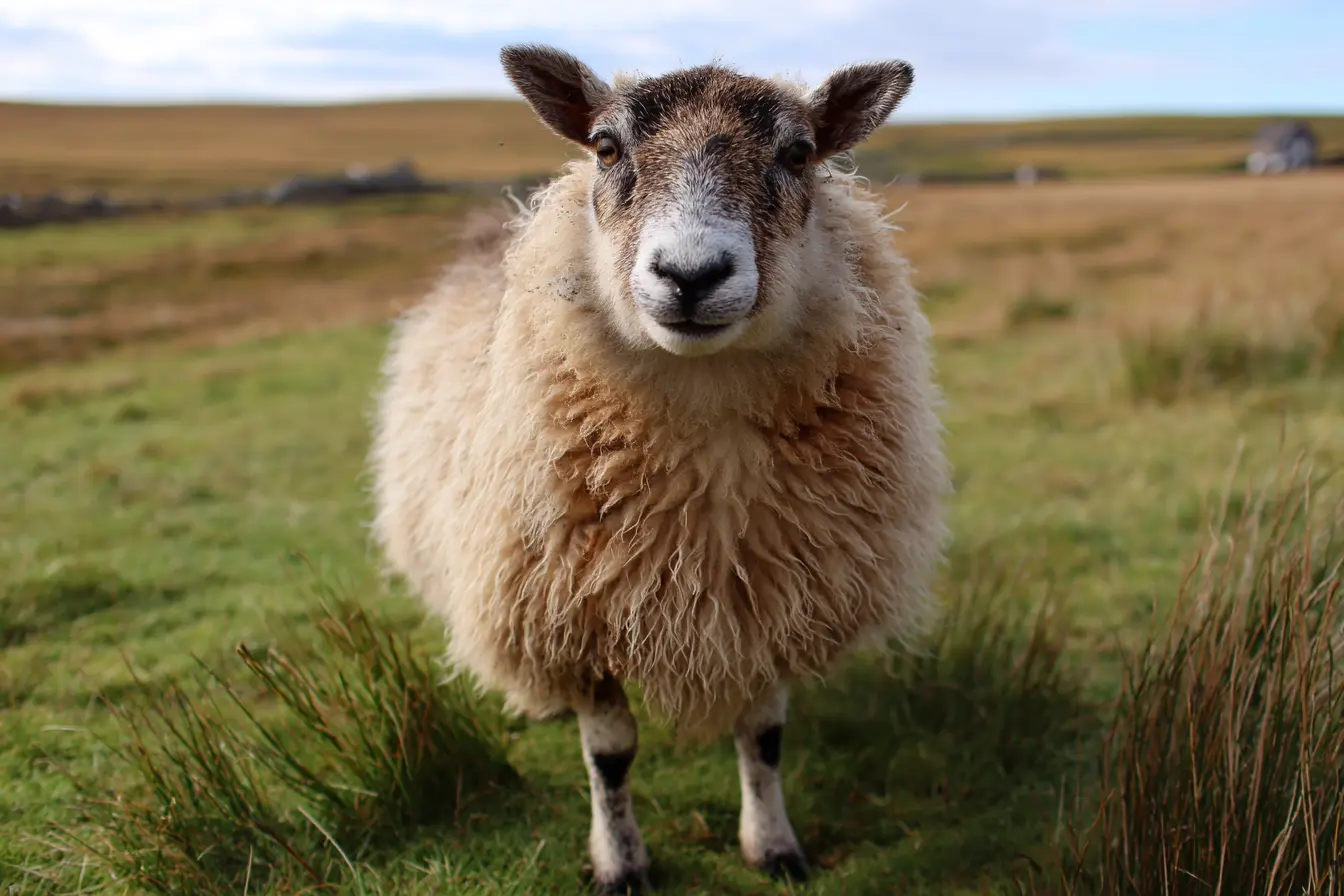
Shetland sheep are one of the UK’s most distinctive and versatile native breeds, admired for their wide range of natural fleece colours, fine wool, and exceptional hardiness. Originating from the Shetland Isles, these small but resilient sheep are well suited to harsh environments and low-input systems, while also being highly popular with smallholders, fibre artists, and conservation graziers.
This guide provides a detailed overview of Shetland sheep, including their history, key characteristics, housing, feeding, health care, breeding, and general management.
A Brief History of Shetland Sheep
Shetland sheep originate from the Shetland Isles, located between Scotland and Norway. Their ancestors are believed to have been brought to the islands by Norse settlers over 1,000 years ago. Isolated by geography and shaped by a harsh maritime climate, Shetland sheep developed exceptional hardiness, thriftiness, and adaptability.
Historically, Shetland sheep were central to island life, providing wool, meat, and skins. Their wool was particularly valued for producing fine knitwear and traditional lace. Today, Shetland sheep are recognised as a rare native breed and are prized for both their cultural heritage and practical qualities.
Key Characteristics of Shetland Sheep
Shetland sheep are known for their diversity, intelligence, and resilience.
Appearance: Small, fine-boned sheep with a wide range of fleece colours and patterns, including white, grey, moorit (brown), black, and katmoget markings.
Horns: Rams are usually horned; ewes may be horned or polled.
Size: Small breed. Ewes typically weigh 35–45kg, with rams weighing 45–60kg.
Temperament: Alert, intelligent, and generally calm when accustomed to handling.
Hardiness: Exceptionally hardy and well suited to exposed and poor grazing.
Wool Quality: Fine, soft fleece with excellent crimp, ideal for hand spinning and knitting.
Meat Quality: Produces lean, flavoursome meat with a delicate texture.
Housing for Shetland Sheep
Shetland sheep are well adapted to outdoor living and require minimal housing.
Shelter Requirements
Natural Shelter: Hedges, banks, stone walls, and natural dips provide sufficient protection.
Field Shelters: Useful but not essential, particularly in lowland systems.
Winter Housing: Rarely required, even in harsh conditions, provided grazing is available.
Fencing
Secure Fencing: Shetlands are agile and can escape through poor fencing.
Fence Height: At least 1.2 metres is recommended.
Electric Fencing: Effective when well maintained.
Feeding Shetland Sheep
Shetland sheep are efficient grazers and thrive on rough, unimproved pasture.
Diet
Rough Grazing: Ideal for heathland, upland pasture, and conservation areas.
Improved Pasture: Care must be taken, as Shetlands are prone to obesity on rich grass.
Winter Forage: Hay may be required during winter or snow cover.
Concentrates: Rarely needed and should be avoided unless medically necessary.
Minerals: Provide a sheep-specific mineral block, avoiding copper.
Water
Fresh, clean water must be available at all times.
Breeding Shetland Sheep
Shetland sheep are fertile, long-lived, and excellent mothers.
Breeding Characteristics
Age to Breed: Ewes can be bred from around 18 months.
Gestation Period: Approximately 147 days.
Lambing: Usually easy and unassisted, often taking place outdoors.
Care of Lambs
Lambs are small, lively, and quick to suckle.
Ewes show strong maternal instincts.
Minimal intervention is generally best.
Health Care for Shetland Sheep
Shetland sheep are naturally robust but still require basic health care.
Vaccinations
Clostridial vaccinations are recommended.
Additional vaccines should be discussed with your vet based on local risk.
Parasite Control
Shetlands often have good parasite resistance.
Use faecal egg counts to guide worming decisions.
Monitor for liver fluke in wet grazing areas.
Hoof Care
Foot Trimming: Minimal due to natural wear.
Foot Health: Generally good, though wet lowland conditions can increase problems.
Common Health Issues
Copper Sensitivity: Like all sheep, Shetlands are sensitive to copper.
Flystrike: Lower risk due to lighter fleece, but still possible.
Obesity: A common issue if grazing is too rich.
Fleece, Colour, and Shedding
Shetland sheep are world-renowned for their fleece variety.
Fleece Colours: Over 11 recognised main colours with many pattern variations.
Shearing: Typically once per year.
Shedding: Some Shetlands naturally roo (shed) their fleece.
Fibre Use: Ideal for fine yarns, lace knitting, and traditional textiles.
Behaviour and Handling
Shetland sheep retain many natural instincts while remaining manageable.
Intelligent and Curious: Quick to learn routines.
Handling: Calm, consistent handling builds trust.
Flock Dynamics: Strong social bonds and clear hierarchy.
Conservation Grazing: Excellent for sensitive habitats due to light grazing pressure.
Why Choose Shetland Sheep?
Shetland sheep are an excellent choice for smallholders and conservation-focused systems:
Low Input Requirements: Minimal feeding and housing needed.
Exceptional Wool: Highly prized by spinners and knitters.
Hardy and Resilient: Thrives in poor and exposed conditions.
Compact Size: Ideal for smallholdings.
Heritage Value: Preserves an important native breed.
Conclusion
Shetland sheep are a remarkable native breed, combining hardiness, efficiency, and outstanding fleece quality. Their ability to thrive on marginal land, alongside their manageable size and friendly nature, makes them an excellent choice for a wide range of keepers.
With sensible grazing management, basic health care, and respect for their natural behaviours, Shetland sheep can flourish with minimal intervention. By choosing Shetlands, you are supporting a breed rich in history and tradition while enjoying the many practical and aesthetic benefits they offer to modern sheep keeping.
Quick questions
- What should I know about shetland sheep?
- Shetland sheep are a small and hardy breed from the Shetland Isles, known for their fine wool and wide range of fleece colours. They are well suited to harsh environments and require minimal housing. Vet Verified can help you compare UK veterinary practices by location, species, services and opening hours before you call.
- When should I contact a vet about shetland sheep?
- Contact a veterinary practice if your pet seems unwell, symptoms are getting worse, you are unsure what to do, or the situation may be urgent. Vet Verified helps you compare practice details, but a vet should advise on your pet's current care.
- Can Vet Verified help me find a vet?
- Yes. Use Vet Verified to compare UK veterinary practices by location, species, services and opening hours, then call directly to confirm current availability.
Find a vet
Find a veterinary practice
Compare UK veterinary practices related to this topic. Call the practice to confirm its current services and availability.
Find a vet