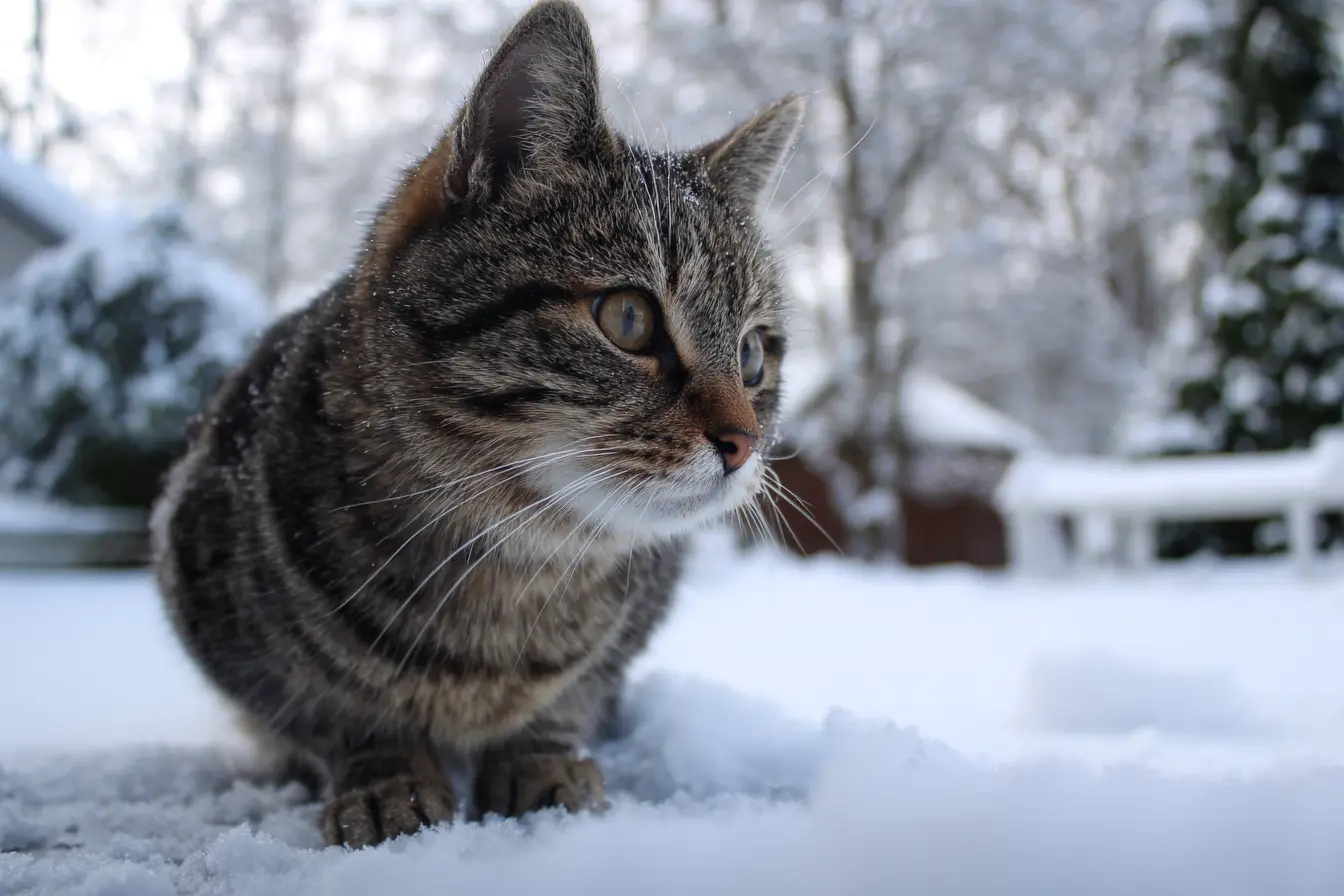
Cold weather, ice and snow can present real challenges for cats, particularly during the UK winter when damp conditions, freezing temperatures and reduced daylight are common. While many cats appear independent and resilient, they rely on their owners to keep them safe, warm and healthy during colder months.
This detailed guide covers everything owners need to know to protect and care for their cats during cold weather.
How Cold Is Too Cold for Cats?
Cats generally tolerate cold less well than many people realise. While their fur offers some insulation, it does not fully protect them from prolonged exposure to low temperatures.
Factors That Affect Cold Tolerance
Age (kittens and senior cats are more vulnerable)
Coat length and thickness
Body weight and overall health
Whether the cat lives indoors or outdoors
Exposure to damp or windy conditions
General Temperature Guidance
Above 10°C – Most cats are comfortable.
Between 5°C and 10°C – Some cats may feel cold, particularly those kept indoors.
Below 5°C – Extra warmth and precautions are important for all cats.
Below 0°C – Risk of hypothermia and frostbite increases significantly.
Cats should not be left outdoors for long periods during freezing conditions.
Outdoor Safety in Ice and Snow
Risks for Outdoor Cats
Ice and snow introduce hazards such as:
Slips and falls
Frozen or slippery climbing surfaces
Reduced ability to escape danger
Hidden sharp objects beneath snow
Cars seeking warmth, posing a risk to cats sheltering underneath
If your cat goes outdoors, consider limiting access during extreme cold, ice or snow.
Check for Cats Before Starting Vehicles
Cats often seek warmth under car bonnets or near engines. Always:
Tap the bonnet
Check wheel arches before starting your car during cold weather.
Keeping Cats Warm Outdoors
Outdoor Shelters
If your cat spends time outside:
Provide an insulated, weatherproof shelter.
Raise it off the ground.
Use straw or insulated bedding (avoid blankets that absorb moisture).
Position it away from wind and rain.
Fresh water should be provided and checked regularly to prevent freezing.
Outdoor Water and Food
Replace frozen water bowls frequently.
Use heavy or insulated bowls.
Feed slightly more if advised by your vet, as cats may burn more energy keeping warm.
Caring for Indoor Cats in Winter
Indoor Warmth
Ensure your cat has access to warm sleeping areas.
Place beds away from draughts, doors and cold windows.
Cats often enjoy raised beds or cosy enclosed spaces.
Heating Safety
Keep cats away from open fires and portable heaters.
Check tumble dryers and washing machines before use.
Never place hot water bottles directly in beds without a cover.
Nutrition and Hydration in Cold Weather
Feeding
Some cats may need:
Slightly increased food intake if they are more active or go outdoors.
Warming wet food to room temperature in winter can improve palatability.
Avoid overfeeding indoor cats who may be less active during winter months.
Water Intake
Cats can drink less in cold weather, increasing the risk of dehydration.
Provide multiple water bowls.
Refresh water regularly.
Consider a cat water fountain to encourage drinking.
Paw and Coat Care in Winter
Paw Safety
Cats’ paws can be irritated by grit, salt and ice:
Check paws after outdoor trips.
Gently wipe paws with a damp cloth if needed.
Watch for limping or excessive licking.
Coat Maintenance
Regular brushing helps maintain insulation.
Remove mud, ice or debris caught in fur.
Long-haired cats may need extra grooming to prevent matting and dampness.
Cold Weather Health Risks for Cats
Hypothermia
Signs include:
Shivering
Lethargy
Weakness
Cold ears and paws
Slow breathing
If you suspect hypothermia:
Bring your cat indoors immediately.
Wrap them in warm towels.
Contact your vet urgently.
Frostbite
Commonly affects ears, tail and paws. Signs include:
Pale or bluish skin
Swelling
Pain or sensitivity
Veterinary attention is required if frostbite is suspected.
Antifreeze Poisoning
Antifreeze is extremely toxic to cats and even tiny amounts can be fatal.
Clean spills immediately.
Store products securely.
Be alert to symptoms such as vomiting, staggering or seizures.
This is a medical emergency and requires immediate veterinary care.
Arthritis and Joint Pain
Cold weather can worsen arthritis in older cats.
Provide warm, padded bedding.
Use ramps or steps to favourite spots.
Speak to your vet about pain management.
Special Considerations for Vulnerable Cats
Kittens
Struggle to regulate body temperature.
Should be kept indoors in cold weather.
Need warm, draught-free sleeping areas.
Senior Cats
More sensitive to cold.
May move less and hide discomfort.
Benefit from extra warmth and regular health checks.
Sick or Underweight Cats
Have reduced ability to stay warm.
Should be kept indoors and monitored closely.
Preparing for Severe Winter Weather
Keep extra food, litter and medication at home.
Ensure microchip details are up to date.
Fit breakaway collars with reflective strips if your cat goes outside.
Limit outdoor access during extreme weather conditions.
Conclusion
Cold weather, ice and snow can pose serious risks to cats, particularly in the damp and changeable UK climate. With thoughtful preparation, extra warmth and careful monitoring, you can help ensure your cat stays safe, comfortable and healthy throughout the winter months.
If you have any concerns about how your cat is coping in cold weather, contact your vet for advice. A few simple precautions can make a significant difference to your cat’s wellbeing when temperatures drop.
Quick questions
- What should I know about cold weather?
- During the UK winter, cold weather, ice, and snow can be tough on cats. Cats rely on owners to keep them warm and safe. Most cats feel comfortable at temperatures above 10°C, but need extra warmth when it's colder. Vet Verified can help you compare UK veterinary practices by location, species, services and opening hours before you call.
- When should I contact a vet about cold weather?
- Contact a veterinary practice if your pet seems unwell, symptoms are getting worse, you are unsure what to do, or the situation may be urgent. Vet Verified helps you compare practice details, but a vet should advise on your pet's current care.
- Can Vet Verified help me find cat vets?
- Yes. Use Vet Verified to compare cat vets across the UK, then check practice profiles and call directly to confirm current availability.
Find a vet
Find a veterinary practice
Compare UK veterinary practices related to this topic. Call the practice to confirm its current services and availability.