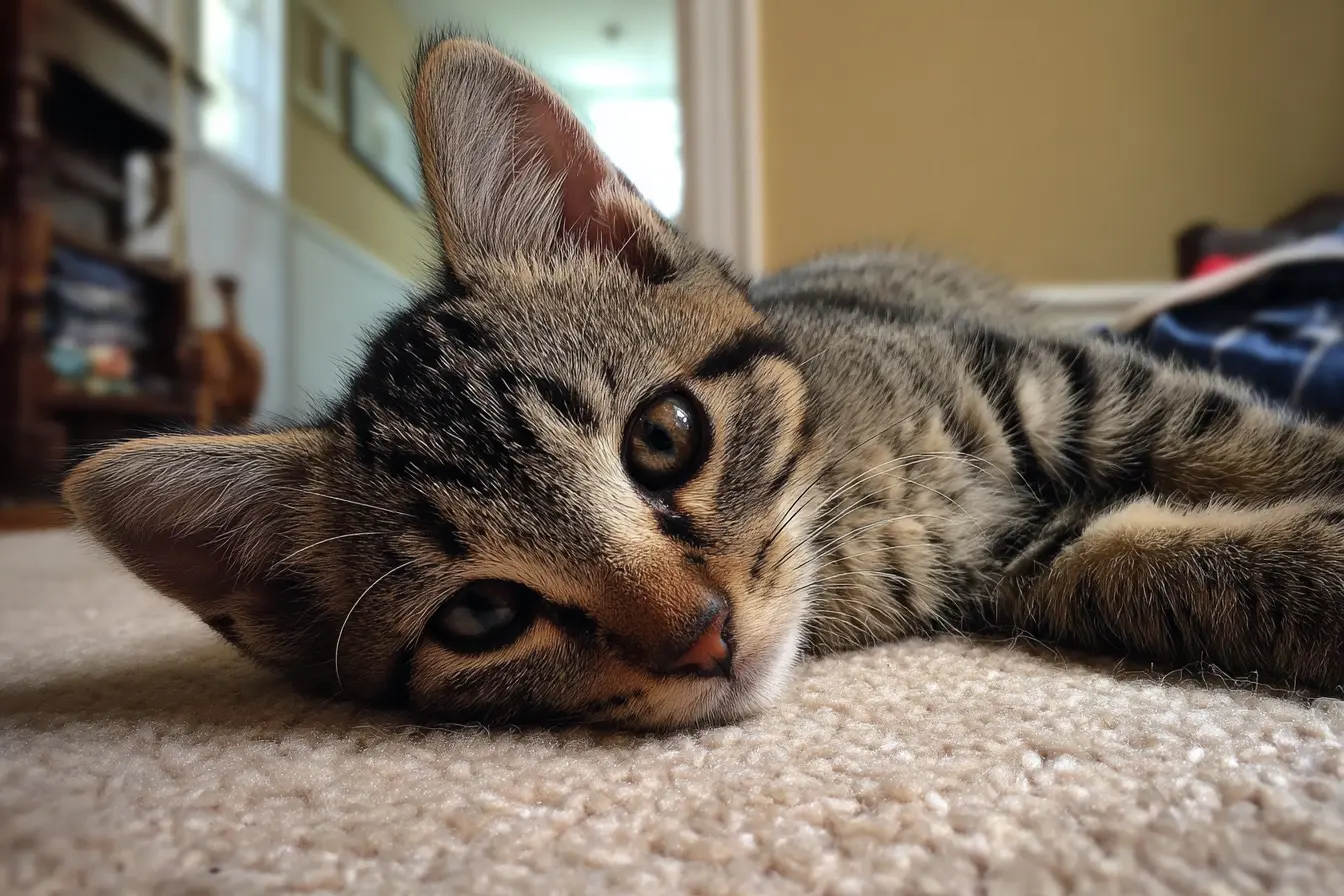
Kittens are naturally playful, curious, and mischievous. While much of their behaviour is normal exploration, some habits can become problematic if not managed early. Addressing unwanted behaviour in kittens with patience and consistency helps them grow into well-mannered, confident cats. This guide explains the most common issues and how to handle them effectively.
Understanding Kitten Behaviour
Before labelling a behaviour as “bad”, it is important to recognise that many actions are instinctive. Scratching, climbing, pouncing, and biting are all part of a kitten’s development. The goal is not to stop these behaviours entirely but to redirect them appropriately.
Common Unwanted Behaviours in Kittens
Biting and Scratching People
Kittens often nip and scratch during play as they practice hunting skills. However, allowing them to use human hands or feet as toys encourages rough behaviour.
How to manage it:
Never play with kittens using your hands or feet. Use toys instead.
Redirect biting with interactive toys like wand toys or balls.
If bitten, stop play immediately so the kitten learns that rough play ends the fun.
Provide scratching posts to satisfy their natural urge to scratch.
Scratching Furniture
Scratching is a natural behaviour for claw maintenance and marking territory, but it can damage furniture.
How to manage it:
Provide multiple scratching posts or pads, ideally in different rooms.
Choose sturdy posts covered in sisal or cardboard.
Encourage use with catnip or dangling toys.
Cover or temporarily protect furniture with deterrents (double-sided tape, special sprays) until habits change.
Climbing Where They Shouldn’t
Kittens love climbing, but not every surface is safe or suitable.
How to manage it:
Provide safe climbing alternatives like cat trees or shelves.
Remove access to unsafe areas such as kitchen counters where possible.
Use gentle deterrents like foil or citrus-scented sprays (cats dislike these smells).
Reinforce positive climbing by praising or rewarding when they use cat trees.
Excessive Meowing
Kittens may meow for attention, food, or simply out of habit.
How to manage it:
Ensure basic needs (food, water, litter tray, play) are met.
Avoid giving attention for constant meowing, as this reinforces the behaviour.
Reward quiet moments with praise or play.
Rule out medical issues if vocalisation is persistent or unusual.
Rough Play with Other Pets
Kittens often chase and pounce on other cats or dogs, which may cause stress.
How to manage it:
Supervise interactions and separate pets if play becomes too rough.
Provide plenty of outlets for energy with interactive play sessions.
Use toys to redirect hunting behaviours away from other pets.
Training Tips for Success
Consistency is key: Everyone in the household should follow the same rules.
Reward positive behaviour: Use treats, toys, or praise when kittens behave well.
Avoid punishment: Physical discipline or shouting can cause fear and aggression. Redirect instead.
Short training sessions: Kittens have short attention spans so focus on brief, frequent sessions.
Patience: Behaviour change takes time, especially with young, energetic kittens.
Environmental Enrichment
Many unwanted behaviours stem from boredom or excess energy. Provide enrichment by:
Scheduling daily play sessions (10–15 minutes, several times a day).
Rotating toys to keep things interesting.
Providing scratching posts, climbing trees, tunnels, and puzzle feeders.
Ensuring safe outdoor access, if possible, through a catio or supervised garden time.
When to Seek Help
If unwanted behaviours persist or escalate despite consistent training, consult a vet to rule out medical causes. Behavioural problems can also be addressed with the help of a feline behaviourist, especially if aggression, anxiety, or compulsive behaviours are involved.
Conclusion
Managing unwanted behaviour in kittens is about guiding natural instincts into acceptable outlets. By providing scratching posts, toys, climbing opportunities, and consistent training, you can prevent bad habits from becoming long-term problems. With patience, understanding, and plenty of enrichment, your kitten will grow into a happy, well-adjusted adult cat.
Quick questions
- What should I know about kitten behaviour?
- This blog post offers advice on managing unwanted kitten behaviours, such as biting, scratching, and excessive meowing. Vet Verified can help you compare UK veterinary practices by location, species, services and opening hours before you call.
- When should I contact a vet about kitten behaviour?
- Contact a veterinary practice if your pet seems unwell, symptoms are getting worse, you are unsure what to do, or the situation may be urgent. Vet Verified helps you compare practice details, but a vet should advise on your pet's current care.
- Can Vet Verified help me find dog vets?
- Yes. Use Vet Verified to compare dog vets across the UK, then check practice profiles and call directly to confirm current availability.
Find a vet
Find a veterinary practice
Compare UK veterinary practices related to this topic. Call the practice to confirm its current services and availability.
Search by species
- Dog vets Find UK veterinary practices that list care for dogs. Compare opening hours, services, facilities and verified profiles, then contact a practice directly.
- Cat vets Find UK veterinary practices that list care for cats. Compare opening hours, services, facilities and verified profiles, then contact a practice directly.