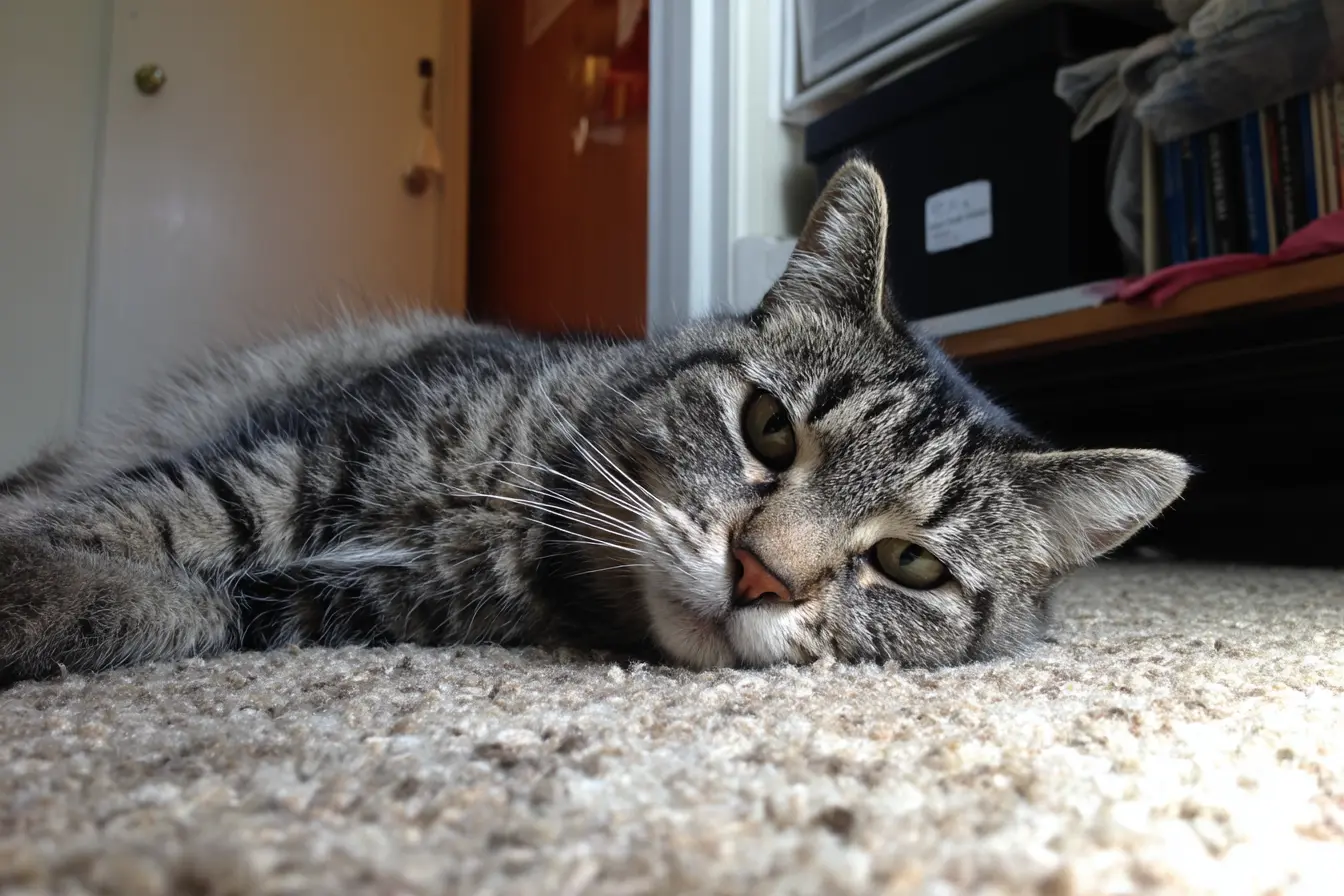
False pregnancy, also known as pseudopregnancy or phantom pregnancy, is a condition in which a female cat (queen) shows signs of being pregnant even though she is not carrying kittens. While less common in cats than in dogs, it does occur and can be confusing and worrying for owners. Understanding why it happens, the symptoms to look out for, and how to manage it is important for your cat’s health and wellbeing.
What Is False Pregnancy?
A false pregnancy occurs when hormonal changes in a cat’s body mimic those of a real pregnancy. After a queen comes into season (oestrus), she may ovulate even if she has not mated. The hormone progesterone rises to maintain a potential pregnancy, and when levels later drop, it can trigger the production of prolactin, a hormone that stimulates milk production. This hormonal imbalance can cause pregnancy-like signs, even in the absence of kittens.
Causes of False Pregnancy in Cats
Hormonal fluctuations: Ovulation without mating is the main trigger.
Mating without conception: If fertilisation fails, the body may still behave as though it is pregnant.
Ovarian cysts or other reproductive issues: These can contribute to abnormal hormone cycles.
Unspayed queens: False pregnancies only occur in cats that have not been neutered.
Symptoms of False Pregnancy
The signs of a false pregnancy often appear 4–9 weeks after oestrus and may resemble true pregnancy:
Enlarged or pink nipples (known as “pinking up”)
Swollen or enlarged mammary glands
Milk production or discharge from the teats
Increased appetite
Weight gain or a rounded abdomen (though no kittens are present)
Nesting behaviour, such as gathering blankets or hiding in quiet places
Maternal behaviour, including licking or guarding toys as though they were kittens
Restlessness, vocalisation, or clinginess
These symptoms usually last for 1–3 weeks but can sometimes persist longer.
How False Pregnancy Is Diagnosed
Because the symptoms mimic a real pregnancy, veterinary confirmation is important. A vet may use:
Physical examination: Checking for signs of kittens or uterine changes.
Ultrasound: To confirm whether kittens are present.
X-rays: Useful later in a pregnancy to rule out foetal development.
Diagnosis ensures that the signs are not due to other health issues such as infection, mammary gland disease, or abdominal conditions.
Treatment and Management
False pregnancy in cats often resolves on its own without medical intervention. However, supportive care may be needed:
Avoid stimulating the mammary glands: Do not squeeze or massage them, as this can encourage further milk production.
Distraction: Increase play and exercise to redirect maternal behaviour.
Reduce stress: Provide a calm, stable environment.
Veterinary treatment: In more severe cases, a vet may prescribe medication to suppress milk production or manage discomfort.
Address underlying issues: If ovarian cysts or other conditions are suspected, further treatment may be required.
If symptoms are recurring or causing distress, spaying is usually recommended as a long-term solution.
Potential Complications
While false pregnancy is not usually dangerous, it can lead to complications if left unmanaged:
Mastitis (mammary infection): Caused by prolonged milk production.
Behavioural changes: Anxiety or aggression may increase during this period.
Repeated episodes: Some queens may experience false pregnancies regularly after each heat cycle.
Preventing False Pregnancy
The most effective way to prevent false pregnancy in cats is spaying (neutering). Spaying not only eliminates the risk of pseudopregnancy but also prevents unwanted litters and reduces the risk of reproductive diseases such as pyometra (uterine infection) and mammary tumours.
Conclusion
False pregnancy in cats can be confusing for owners, as the signs closely resemble true pregnancy. While most cases resolve naturally, it is important to monitor your cat for complications and seek veterinary advice for proper diagnosis and care. Spaying is the best way to prevent recurrence and safeguard your cat’s long-term health. By understanding the condition and providing the right support, you can help your cat remain comfortable and healthy through the episode.
Quick questions
- What should I know about false pregnancy?
- False pregnancy in cats, also called pseudopregnancy, occurs when a female cat shows pregnancy signs without carrying kittens. This happens due to hormonal changes after not mating or failed conception. Vet Verified can help you compare UK veterinary practices by location, species, services and opening hours before you call.
- When should I contact a vet about false pregnancy?
- Contact a veterinary practice if your pet seems unwell, symptoms are getting worse, you are unsure what to do, or the situation may be urgent. Vet Verified helps you compare practice details, but a vet should advise on your pet's current care.
- Can Vet Verified help me find dog vets?
- Yes. Use Vet Verified to compare dog vets across the UK, then check practice profiles and call directly to confirm current availability.
Find a vet
Find a veterinary practice
Compare UK veterinary practices related to this topic. Call the practice to confirm its current services and availability.
Search by species
- Dog vets Find UK veterinary practices that list care for dogs. Compare opening hours, services, facilities and verified profiles, then contact a practice directly.
- Cat vets Find UK veterinary practices that list care for cats. Compare opening hours, services, facilities and verified profiles, then contact a practice directly.