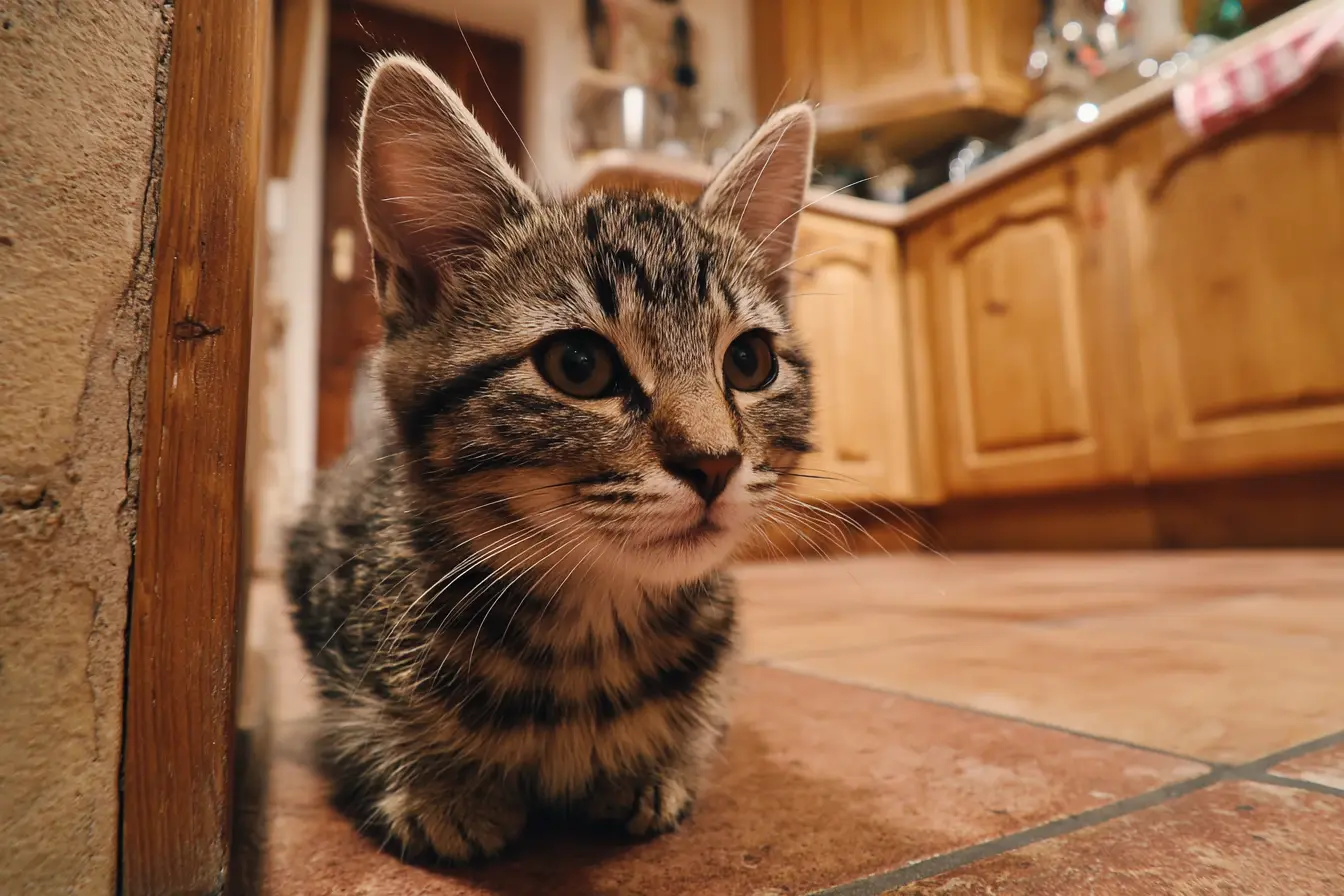
Hand rearing kittens is a demanding but rewarding responsibility that requires dedication, patience, and attention to detail. It is sometimes necessary if the mother cat is unable to care for her litter, rejects them, becomes unwell, or if the kittens are orphaned. While challenging, hand rearing gives vulnerable kittens the chance to survive and thrive. This guide covers everything you need to know to provide the best possible care.
When Is Hand Rearing Necessary?
You may need to step in and hand rear kittens if:
The mother cat has died or abandoned her kittens
The mother is unwell or unable to produce enough milk
The litter is unusually large, leaving some kittens struggling to nurse
The kittens are rejected or neglected by their mother
Before taking over completely, always consult a vet, as partial support (supplemental feeding) may sometimes be more appropriate.
Essential Equipment for Hand Rearing
To hand rear kittens, you will need:
Kitten milk replacer (KMR): Never use cow’s milk, as it is unsuitable and can cause diarrhoea. Use only a specialist milk designed for kittens.
Feeding bottles or syringes: Special kitten bottles with small teats are ideal, but syringes may be useful for very young or weak kittens.
Digital scales: To monitor daily weight gain.
Heat source: Such as a heat mat or hot water bottle (well wrapped) to maintain body temperature.
Soft bedding: Towels or blankets in a secure box or crate to create a warm nest.
Keeping Kittens Warm
Newborn kittens cannot regulate their own body temperature until around three weeks of age. Cold kittens cannot digest food properly, so warmth is a priority:
Maintain the nest at 30–32°C in the first week, gradually reducing to room temperature by week five.
Use a heat source that allows kittens to move away if they get too warm.
Never feed a cold kitten, warm them gently first.
Feeding Kittens
Frequency
Kittens need frequent feeds, day and night, depending on their age:
0–1 week: Every 2–3 hours, including overnight
1–2 weeks: Every 3–4 hours
2–3 weeks: Every 4–6 hours
3–4 weeks: Every 5–6 hours, starting to lap milk from a dish
Technique
Hold the kitten upright or slightly on their stomach (never on their back).
Use a bottle or syringe with care to prevent aspiration (milk entering the lungs).
Allow the kitten to suckle naturally rather than forcing milk in.
Quantities
Follow the instructions on the milk replacer packaging. Weigh kittens daily and adjust feeding amounts accordingly.
Helping with Toileting
Until around three weeks of age, kittens cannot urinate or defecate without help. After each feed:
Gently rub the kitten’s genital area with warm, damp cotton wool or a soft tissue.
This stimulates urination and defecation, mimicking the mother’s licking.
Failure to do this can result in constipation or bladder problems.
Monitoring Growth and Health
Weigh each kitten daily at the same time. Healthy kittens should gain 10–15 grams per day. Keep records of weight and feeding. Contact a vet if:
A kitten fails to gain weight or loses weight
They are lethargic, weak, or not suckling
They have persistent diarrhoea or vomiting
They develop breathing difficulties or unusual discharge
Socialisation and Development
Hand-reared kittens can grow into happy, well-adjusted cats if given the right care:
Handling: Gentle handling from an early age helps them bond with humans.
Play: Encourage play with safe toys as they grow stronger.
Socialisation: Introduce them gradually to household noises and experiences from three weeks onwards.
Transition to Weaning
At around four weeks of age:
Begin offering a shallow dish of kitten food mixed with milk replacer.
Gradually reduce the amount of milk as they start to eat more solids.
By eight weeks, kittens should be fully weaned and ready to rely on solid food.
Veterinary Care
Hand-reared kittens should follow the same veterinary care schedule as others:
Worming: Begin from two weeks of age, using products recommended by your vet.
Vaccinations: Usually start at eight to nine weeks, with a booster a few weeks later.
Microchipping: Required by law in the UK before 20 weeks of age.
Health checks: Regular check-ups are vital to catch problems early.
Challenges of Hand Rearing
Hand rearing can be exhausting, particularly in the first weeks when night feeds are required. Some risks include:
Higher chance of infections or developmental issues without maternal antibodies
Behavioural problems if kittens are not properly socialised
Emotional attachment, which can make rehoming more difficult
Despite these challenges, hand rearing can be life-saving and immensely rewarding.
Conclusion
Hand rearing kittens is a big commitment that demands time, energy, and care. By providing warmth, nutrition, hygiene, and early socialisation, you give orphaned or rejected kittens the chance to grow into healthy, confident cats. With the support of your vet and the right preparation, you can help them survive those critical early weeks and thrive in their future homes.
Quick questions
- What should I know about hand rearing kittens?
- Hand rearing kittens is a critical task when a mother cat cannot care for her young. This guide helps you know when hand rearing is required and what equipment you need. Vet Verified can help you compare UK veterinary practices by location, species, services and opening hours before you call.
- When should I contact a vet about hand rearing kittens?
- Contact a veterinary practice if your pet seems unwell, symptoms are getting worse, you are unsure what to do, or the situation may be urgent. Vet Verified helps you compare practice details, but a vet should advise on your pet's current care.
- Can Vet Verified help me find cat vets?
- Yes. Use Vet Verified to compare cat vets across the UK, then check practice profiles and call directly to confirm current availability.
Find a vet
Find a veterinary practice
Compare UK veterinary practices related to this topic. Call the practice to confirm its current services and availability.