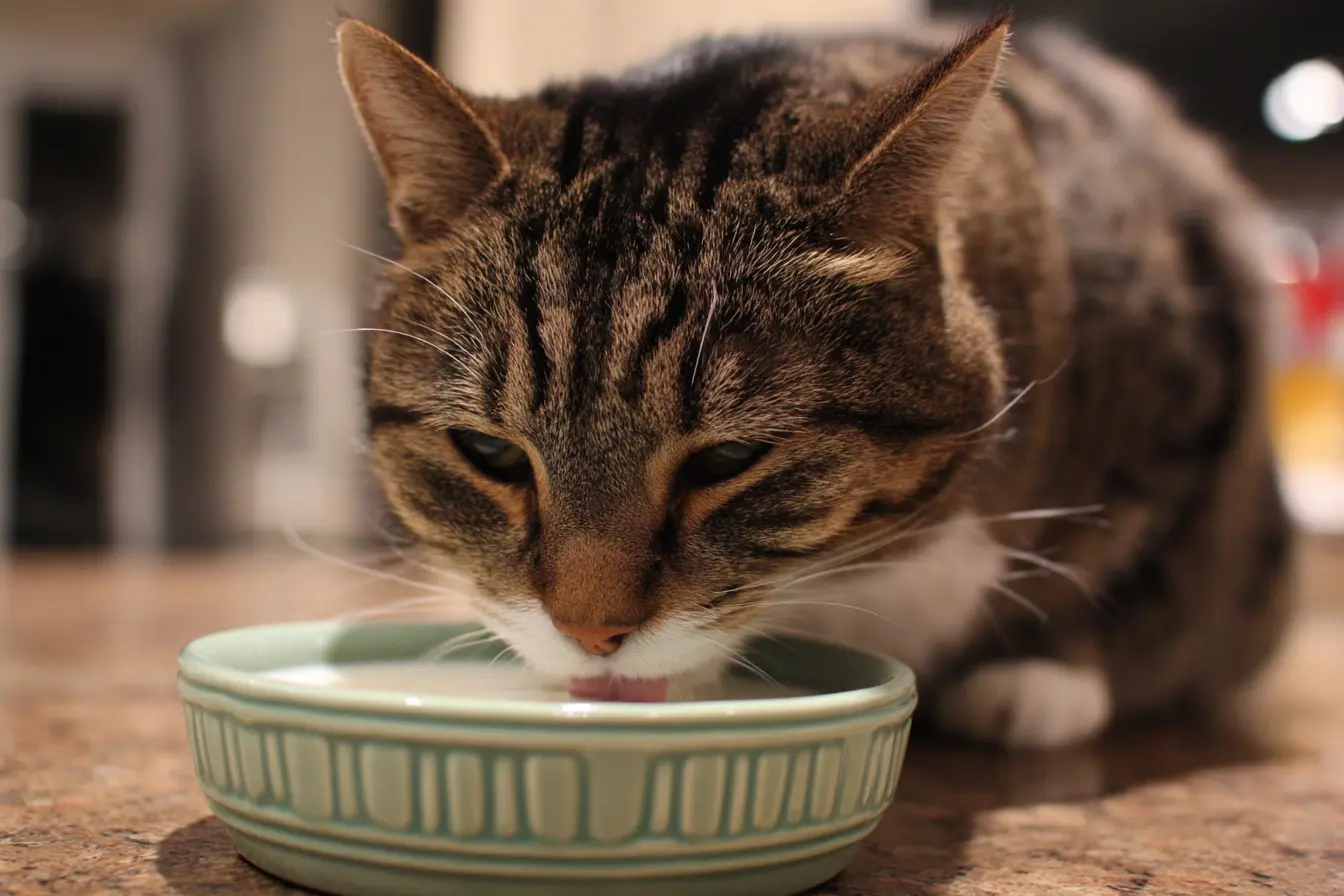
Cats and milk are often portrayed as the perfect pair, from storybooks to cartoons, we grow up believing that a saucer of milk is the ultimate treat for a cat. In reality, however, most cats cannot digest milk properly, and offering dairy can lead to digestive upset or longer-term issues.
This guide explains whether cats can drink milk, why lactose is a problem, which dairy products may be safer, and how to offer alternatives that keep your cat healthy and happy.
Do Cats Like Milk?
Many cats absolutely love the taste of milk. The fat and protein in dairy are appealing to them, which is why they may beg for a sip if they see you drinking it. However, enjoyment doesn’t always mean it’s safe.
Why Most Cats Cannot Digest Milk
Kittens produce an enzyme called lactase, which allows them to digest their mother’s milk.
However, as cats grow older and transition to solid food:
Lactase levels drop significantly
Lactose (milk sugar) becomes harder to digest
Undigested lactose ferments in the gut
This leads to diarrhoea, gas, cramping, and discomfort
This condition is known as lactose intolerance and it affects the vast majority of adult cats.
What Happens If a Cat Drinks Milk?
Symptoms vary depending on the amount consumed and the cat’s level of intolerance.
Common reactions include:
Soft stools or diarrhoea
Gas or bloating
Stomach cramps
Vomiting
Increased thirst
Dehydration (especially dangerous for small or elderly cats)
Even small amounts can upset sensitive cats.
Are Any Cats Able to Drink Milk?
A small minority of cats retain enough lactase to tolerate milk in tiny amounts. However, there’s no way to know whether your cat is tolerant without risking digestive upset. As a general rule, it is safest to assume your cat cannot drink milk.
What About Other Dairy Products?
Different dairy products contain different levels of lactose. Some may be tolerated better than milk, while others should still be avoided.
Cow’s Milk
High in lactose.
Most common cause of digestive issues.
Not recommended for any adult cat.
Cream
Lower in lactose than milk but very high in fat.
Can cause:
Pancreatitis
Diarrhoea
Not recommended.
Cheese
Lactose levels vary depending on the type.
Hard cheeses like cheddar or parmesan contain less lactose than soft cheeses.
Possible risks:
Lactose intolerance
High salt content
High fat content
Possible artificial additives
A tiny amount as a rare treat is usually safe for most cats, but should never be part of a regular diet.
Yoghurt
Plain, unsweetened yoghurt contains live cultures that help break down lactose.
This means some cats tolerate yoghurt better than milk.
However, yoghurt can still cause:
Diarrhoea
Gas
Stomach upset
Only offer a teaspoon at most, and never flavoured or sweetened varieties.
Butter
Very low in lactose but extremely high in fat.
Risks include:
Pancreatitis
Weight gain
Soft stools
Best avoided.
Goat’s Milk
Sometimes marketed for pets.
Lactose levels are slightly lower than cow’s milk, but not low enough to prevent intolerance in most cats.
Goat’s milk is not a safe alternative for lactose-intolerant cats.
Plant-Based Milks
Examples include:
Almond milk
Oat milk
Coconut milk
Soy milk
These are not recommended because:
Some contain harmful additives
Almond and coconut milks are high in fat
Oat milk can be sugary
Soy can trigger allergies
Some brands contain xylitol (deadly to cats)
Avoid completely.
Safe Milk Alternatives for Cats
If you want to give your cat a milky treat, several pet-safe options exist.
Lactose-Free Cat Milk
Supermarkets and pet shops sell specially formulated cat milk containing:
No lactose
Added nutrients
Lower fat content
Brands such as Whiskas Cat Milk or Dreamies Cat Milk are widely available.
This is the safest option for cats who enjoy the taste of milk.
However:
It still contains calories
It should be offered in moderation
It should not replace water
Lactose-Free Cow’s Milk (Human Version)
Some cats tolerate lactose-free human milk because the lactose has been broken down.
But there are drawbacks:
Higher sugar content
No nutritional benefit for cats
May still cause stomach upset
Never choose flavoured or sweetened varieties
If you do try it, offer only a teaspoon to test tolerance.
Do Cats Need Milk?
Cats do not require milk at any stage after weaning. They obtain all necessary hydration from:
Fresh drinking water
Wet cat food
High-moisture diets suited to their needs
Offering water-rich foods is far healthier and safer than giving milk.
Why the “Cats and Milk” Myth Won’t Go Away
The image of a cat lapping up a bowl of milk has been repeated for generations. Historically:
Farm cats were often fed leftover cow's milk
Many cats lived outdoors with shorter lifespans, so digestive upset went unnoticed
People assumed enjoyment meant healthiness
Modern veterinary science shows that the image is misleading and milk is inappropriate for most cats.
Can Kittens Drink Milk?
Kittens should drink:
Their mother’s milk, or
A kitten-specific formula (such as Cimicat or Royal Canin Babycat Milk)
They must not drink:
Cow’s milk
Goat’s milk
Any milk marketed for human babies
Homemade substitutes
Improper milk can cause diarrhoea, malnutrition, or even life-threatening dehydration.
Once weaned (around 8–10 weeks), kittens no longer need milk of any kind.
How to Treat a Cat Who Has Drunk Milk
If your cat has accidentally drunk milk, monitor for:
Diarrhoea
Vomiting
Excessive gas
Loss of appetite
Make sure:
They have access to fresh water
Their litter tray habits are normal
They don’t become dehydrated
If symptoms persist longer than 12–24 hours, contact your vet.
Key Points for Cat Owners
Most cats are lactose intolerant
Cow’s milk commonly causes diarrhoea and stomach upset
Cheese, cream, and yoghurt may be tolerated better but are still not ideal
Lactose-free cat milk is the safest treat
Cats do not need milk at all in their diet
Kittens should only have species-appropriate milk
Conclusion
Cats may love the taste of milk, but for most of them, it simply isn’t a safe or healthy choice. Adult cats are typically lactose intolerant, and dairy products can cause digestive upset, discomfort, or long-term health problems.
If you want to offer your cat a milky treat, choose a specially formulated lactose-free cat milk and offer it only in small amounts. For everyday hydration, fresh water and a high-quality diet remain the best options.
Quick questions
- What should I know about cats and milk?
- Cats and milk might seem like a good match, but most adult cats are lactose intolerant and cannot digest dairy properly. Offering regular milk can lead to diarrhoea, stomach upset, and health problems. Vet Verified can help you compare UK veterinary practices by location, species, services and opening hours before you call.
- When should I contact a vet about cats and milk?
- Contact a veterinary practice if your pet seems unwell, symptoms are getting worse, you are unsure what to do, or the situation may be urgent. Vet Verified helps you compare practice details, but a vet should advise on your pet's current care.
- Can Vet Verified help me find cat vets?
- Yes. Use Vet Verified to compare cat vets across the UK, then check practice profiles and call directly to confirm current availability.
Find a vet
Find a veterinary practice
Compare UK veterinary practices related to this topic. Call the practice to confirm its current services and availability.