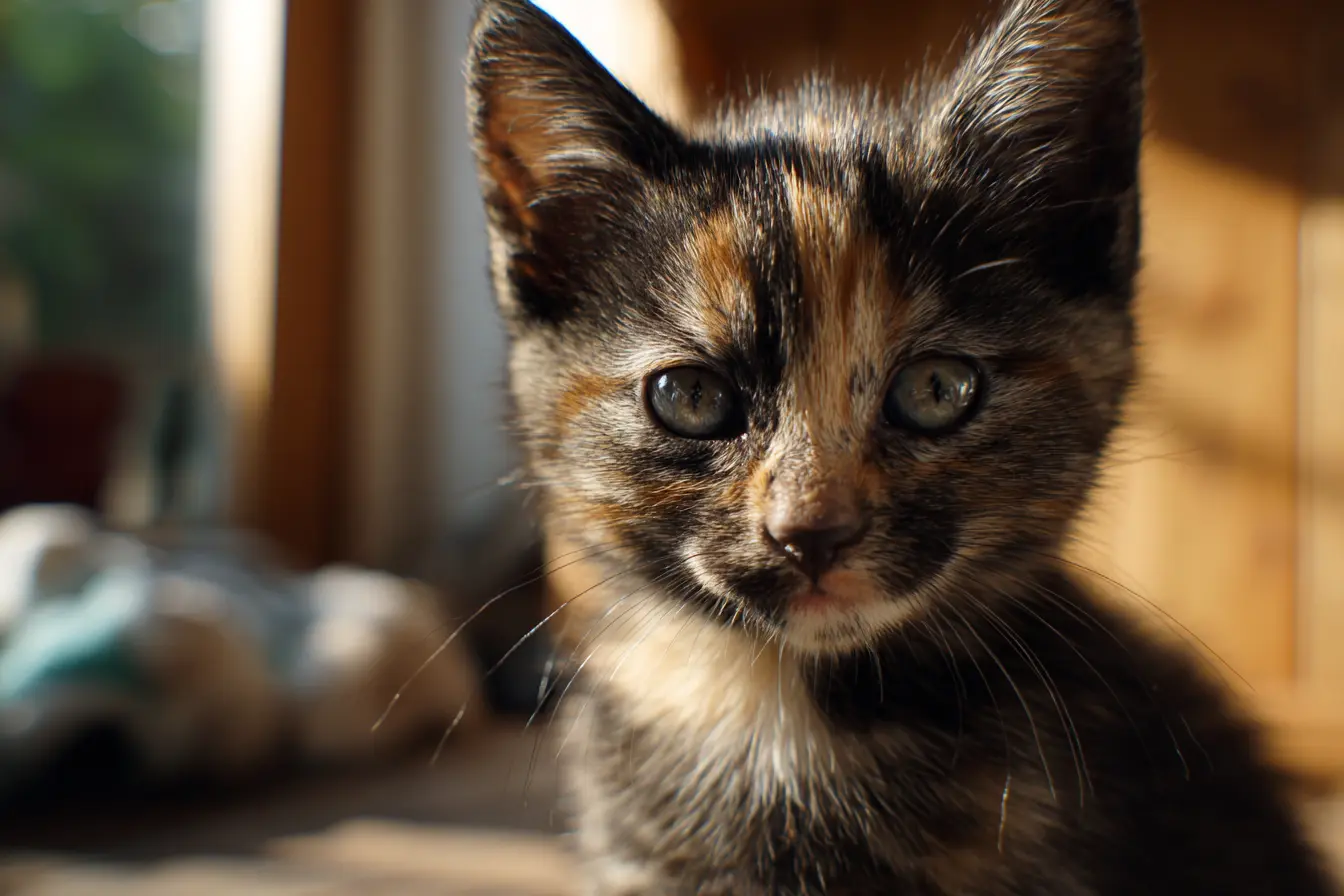
Kittens are delicate and vulnerable in their early weeks of life. While many grow into healthy, playful cats without issue, others may face health complications that require careful monitoring and prompt veterinary attention. Understanding the most common health problems in kittens can help owners act quickly and give them the best chance of thriving.
Why Kittens Are Vulnerable
Kittens are born with immature immune systems and are highly dependent on their mother’s milk for protection in the first few weeks. Even with attentive maternal care, they can still face risks such as infections, parasites, or congenital conditions. Hand-reared kittens, in particular, are at even greater risk if they do not receive colostrum (the first milk rich in antibodies).
Common Health Complications in Kittens
Fading Kitten Syndrome
This is one of the most serious conditions in young kittens, often occurring in the first two weeks of life. Affected kittens may fail to nurse, lose weight, become weak, and cry excessively. Causes include infection, congenital defects, or inadequate nutrition. Immediate veterinary care is essential, as fading kittens can deteriorate rapidly.
Hypothermia (Low Body Temperature)
Newborn kittens cannot regulate their body temperature until around three weeks of age. If they become chilled, they may stop feeding, leading to a dangerous cycle of weakness and further heat loss. Kittens should always be kept in a warm, draught-free environment.
Hypoglycaemia (Low Blood Sugar)
Due to their small size and high energy needs, kittens can suffer from hypoglycaemia if they do not feed regularly. Symptoms include lethargy, tremors, weakness, and even seizures. Prompt feeding and veterinary care are vital.
Dehydration
Diarrhoea, inadequate feeding, or illness can cause dehydration, which is particularly dangerous in young kittens. Signs include dry gums, sunken eyes, and skin that does not spring back when gently pinched.
Parasites
Intestinal worms, fleas, and ear mites are common in kittens and can cause serious complications such as anaemia, poor growth, and general weakness. Veterinary-approved treatments should always be used, as many over-the-counter products are unsafe for young kittens.
Respiratory Infections
Kittens are prone to upper respiratory infections, often caused by viruses such as feline herpesvirus or calicivirus. Symptoms include sneezing, runny eyes, nasal discharge, coughing, and loss of appetite. These infections can spread quickly in litters and may require veterinary treatment.
Eye Infections
Conjunctivitis and eye infections are common in kittens, particularly if they are living in unsanitary conditions. Eyes may appear red, swollen, or have discharge. Prompt cleaning with vet-approved solutions and treatment are essential to prevent long-term damage.
Congenital Defects
Some kittens may be born with genetic or developmental problems, such as cleft palates, heart defects, or limb deformities. These can range from mild to severe and often require veterinary monitoring or intervention.
Warning Signs to Watch For
Owners should contact a vet immediately if a kitten shows any of the following signs:
Persistent crying or restlessness
Refusal to nurse or eat
Weakness, lethargy, or collapse
Difficulty breathing or persistent coughing
Diarrhoea or vomiting
Swollen, red, or discharging eyes
Sudden weight loss or failure to gain weight
Daily weighing is one of the best ways to monitor kitten health. Any kitten that is not gaining weight consistently should be checked by a vet.
Preventing Health Complications
While not all problems can be prevented, there are steps owners can take to reduce risks:
Warmth: Ensure kittens are kept in a safe, warm environment.
Nutrition: Allow kittens to nurse frequently or provide kitten milk replacer if hand-reared.
Hygiene: Keep bedding and the nesting area clean and dry.
Parasite control: Use only vet-approved products suitable for kittens.
Vaccinations: Begin vaccinations at around eight to nine weeks of age.
Regular vet checks: Early monitoring can catch health problems before they become severe.
Conclusion
Kittens face many challenges in their early weeks, and health complications can arise quickly. By knowing the common problems, recognising the warning signs, and ensuring prompt veterinary care, you can give your kittens the best possible start in life. Careful monitoring, proper nutrition, and a safe environment are key to helping them grow into strong, healthy adult cats.
Quick questions
- What should I know about kitten health?
- Kittens need special care due to their immature immune systems and risk of health issues. Vet Verified can help you compare UK veterinary practices by location, species, services and opening hours before you call.
- When should I contact a vet about kitten health?
- Contact a veterinary practice if your pet seems unwell, symptoms are getting worse, you are unsure what to do, or the situation may be urgent. Vet Verified helps you compare practice details, but a vet should advise on your pet's current care.
- Can Vet Verified help me find cat vets?
- Yes. Use Vet Verified to compare cat vets across the UK, then check practice profiles and call directly to confirm current availability.
Find a vet
Find a veterinary practice
Compare UK veterinary practices related to this topic. Call the practice to confirm its current services and availability.