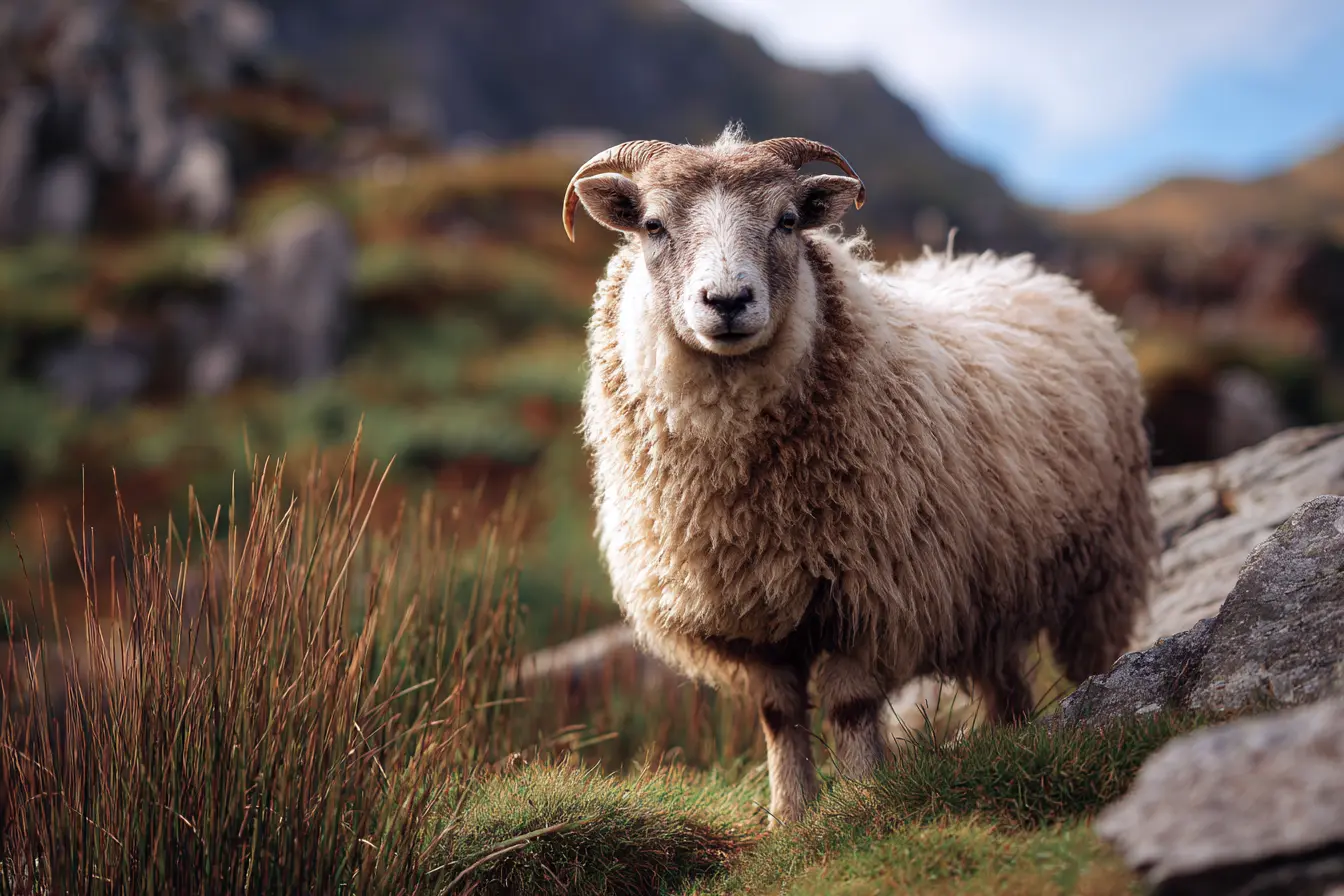
Welsh Mountain sheep are one of the most important and widespread native sheep breeds in the UK. Renowned for their hardiness, efficiency, and adaptability, they are the backbone of traditional hill farming across Wales and are also widely used in upland and marginal systems throughout Britain. With their distinctive white faces, alert nature, and strong mothering ability, Welsh Mountain sheep are a dependable and versatile breed.
This guide provides a detailed overview of Welsh Mountain sheep, covering their history, key characteristics, housing, feeding, health care, breeding, and general management.
A Brief History of Welsh Mountain Sheep
Welsh Mountain sheep have been shaped over centuries by the harsh landscapes of Wales, including exposed hills, high rainfall, thin soils, and variable weather. Rather than being a single uniform breed, Welsh Mountain sheep encompass several recognised types, including the Talybont, Llanwenog, and Hill Radnor, each adapted to specific regions.
Historically, Welsh Mountain sheep were central to the rural economy of Wales, providing meat, wool, and breeding stock. Today, they remain a cornerstone of the UK sheep industry, particularly as a maternal breed for crossbreeding, producing Welsh Mules and other productive crosses.
Key Characteristics of Welsh Mountain Sheep
Welsh Mountain sheep are valued for their resilience and efficiency in challenging environments.
Appearance: White face and legs with a clean, wool-free head. Some regional types may have darker markings.
Horns: Ewes are usually polled, while rams may be horned or polled depending on the strain.
Size: Small to medium-sized breed. Ewes typically weigh 35–55kg, with rams weighing 55–75kg.
Temperament: Alert, active, and intelligent, typical of hill sheep.
Hardiness: Exceptionally hardy and capable of thriving in exposed upland conditions.
Wool Quality: Medium to coarse fleece, suitable for carpets, blankets, and traditional textiles.
Meat Quality: Produces lean, flavoursome lamb well suited to hill and upland systems.
Housing for Welsh Mountain Sheep
Welsh Mountain sheep are well adapted to outdoor living and require minimal housing.
Shelter Requirements
Natural Shelter: Hills, valleys, hedgerows, and natural features provide sufficient protection.
Field Shelters: Useful in lower ground systems or during extreme weather.
Winter Housing: Rarely required, even in harsh winter conditions, provided grazing is available.
Fencing
Secure Fencing: Essential due to their agility and inquisitive nature.
Fence Height: A minimum of 1.2 metres is recommended.
Electric Fencing: Effective for rotational grazing and pasture management.
Feeding Welsh Mountain Sheep
Welsh Mountain sheep are efficient grazers and thrive on rough, unimproved pasture.
Diet
Rough Grazing: Ideal for upland hills, moorland, and marginal land.
Improved Pasture: Can adapt well but careful management is required to avoid excessive condition.
Winter Forage: Hay or silage may be needed during periods of heavy snow or limited grazing.
Concentrates: Rarely required, except for thin ewes or during late pregnancy.
Minerals: Access to sheep-specific mineral supplements is recommended, tailored to local deficiencies.
Water
Fresh, clean water must be available at all times.
Breeding Welsh Mountain Sheep
Welsh Mountain sheep are known for their fertility, longevity, and strong maternal instincts.
Breeding Characteristics
Age to Breed: Ewes are typically bred from 18 months of age.
Gestation Period: Approximately 147 days.
Lambing: Usually takes place outdoors with minimal intervention.
Care of Lambs
Lambs are small, vigorous, and quick to suckle.
Ewes are attentive mothers with good milk supply.
Lamb losses are generally low in well-managed systems.
Health Care for Welsh Mountain Sheep
Welsh Mountain sheep are robust but still require routine health management.
Vaccinations
Consult your vet to establish an appropriate vaccination programme, commonly including:
Clostridial diseases
Pasteurellosis
Parasite Control
Generally good parasite resistance in hill systems.
Use faecal egg counts to guide worming decisions.
Monitor for liver fluke in wetter grazing areas.
Hoof Care
Foot Trimming: Minimal due to natural wear on rough terrain.
Foot Health: Low incidence of lameness when grazing is well managed.
Common Health Issues
Flystrike: Risk increases in warm, humid conditions.
Copper Sensitivity: Like most sheep, Welsh Mountain sheep are sensitive to copper.
Trace Element Deficiencies: Can vary by region and should be monitored.
Behaviour and Handling
Welsh Mountain sheep retain strong hill-bred instincts.
Alert and Active: More flighty than lowland breeds but responsive to calm handling.
Hefting: In traditional systems, sheep develop strong attachment to home grazing areas.
Handling Facilities: Good handling systems improve safety and efficiency.
Adaptability: Can transition to lowland systems with appropriate management.
Why Choose Welsh Mountain Sheep?
Welsh Mountain sheep offer a range of benefits for upland and extensive systems:
Exceptional Hardiness: Thrives in harsh, exposed conditions.
Low Input Breed: Minimal feed and housing requirements.
Strong Mothering Ability: Reliable lamb survival rates.
Crossbreeding Value: Excellent maternal base for producing productive crosses.
Cultural Importance: Deeply rooted in Welsh farming heritage.
Conclusion
Welsh Mountain sheep are a resilient, efficient, and highly adaptable native breed that has stood the test of time. Their ability to thrive on poor grazing, combined with strong maternal traits and low maintenance requirements, makes them an invaluable component of upland and marginal farming systems.
With appropriate grazing management, basic health care, and respect for their natural behaviours, Welsh Mountain sheep can flourish with minimal intervention. By choosing Welsh Mountain sheep, you are supporting a breed that plays a vital role in British agriculture and helps preserve an important part of the UK’s livestock heritage.
Quick questions
- What should I know about welsh mountain sheep?
- Welsh Mountain sheep are a key native breed in the UK, known for their hardiness and efficiency in challenging environments. They are central to traditional hill farming in Wales and widely used across Britain. Vet Verified can help you compare UK veterinary practices by location, species, services and opening hours before you call.
- When should I contact a vet about welsh mountain sheep?
- Contact a veterinary practice if your pet seems unwell, symptoms are getting worse, you are unsure what to do, or the situation may be urgent. Vet Verified helps you compare practice details, but a vet should advise on your pet's current care.
- Can Vet Verified help me find a vet?
- Yes. Use Vet Verified to compare UK veterinary practices by location, species, services and opening hours, then call directly to confirm current availability.
Find a vet
Find a veterinary practice
Compare UK veterinary practices related to this topic. Call the practice to confirm its current services and availability.
Find a vet