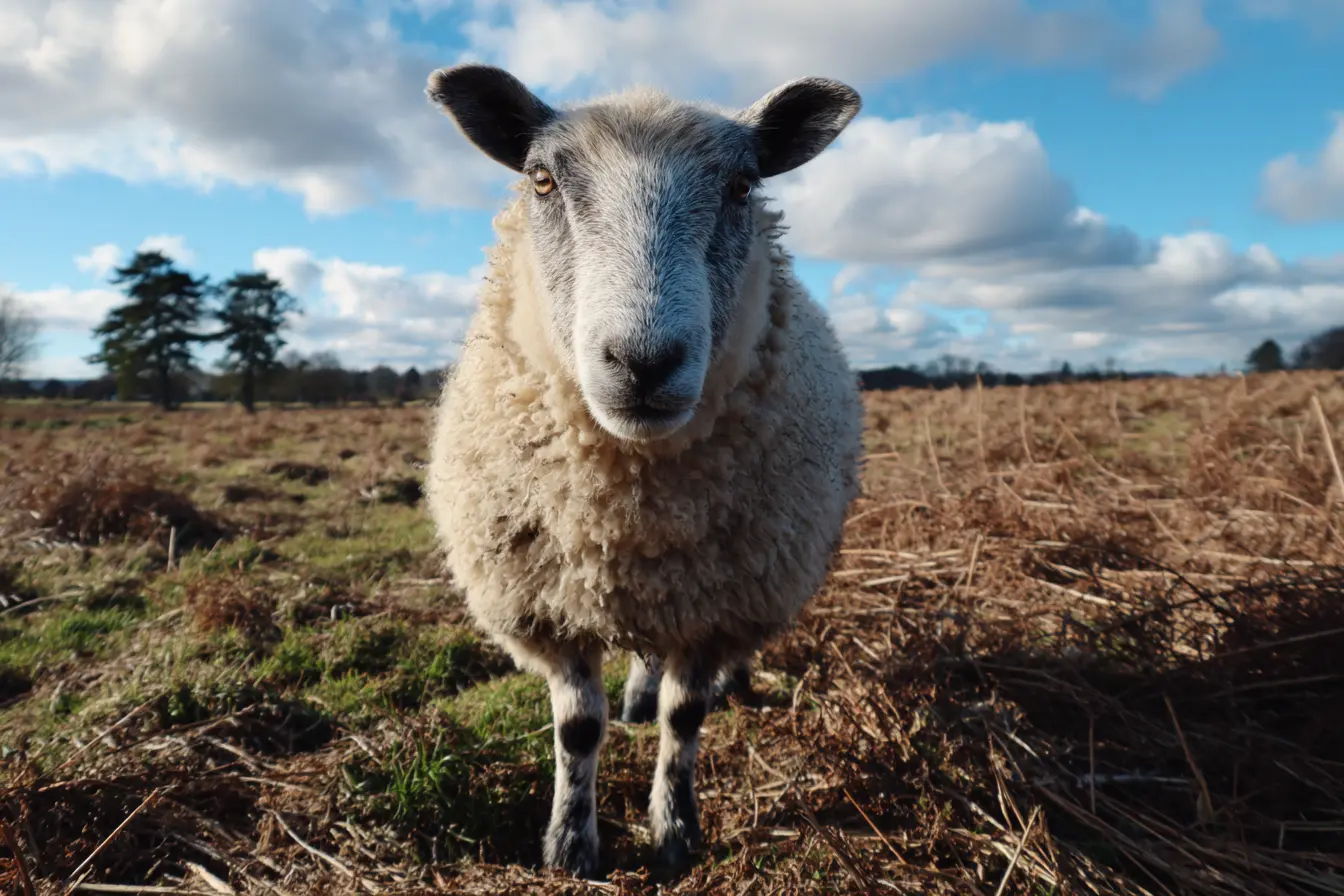
Bluefaced Leicester sheep are one of the most important and influential sheep breeds in the UK. Best known for their role as a premier maternal sire, they are highly valued for producing prolific, productive crossbred ewes such as the Mule. With their distinctive blue-grey face, Roman nose, and elegant appearance, Bluefaced Leicesters combine performance, intelligence, and adaptability.
This guide provides a detailed overview of Bluefaced Leicester sheep, including their history, key characteristics, housing, feeding, health care, breeding, and general management.
A Brief History of Bluefaced Leicester Sheep
Bluefaced Leicester sheep originated in Northumberland in the 18th century, developed by crossing local sheep with improved Leicester bloodlines. The breed was refined to produce a long, well-shaped carcass and, most importantly, exceptional crossing ability.
Over time, the Bluefaced Leicester became established as the leading sire breed for producing crossbred ewes, particularly when crossed with hill breeds such as Swaledale and Scottish Blackface. The resulting Mule ewes are now the backbone of lowland sheep production across the UK.
Key Characteristics of Bluefaced Leicester Sheep
Bluefaced Leicester sheep are instantly recognisable and highly productive.
Appearance: Distinctive blue-grey face with a pronounced Roman nose. They have a long, elegant body and fine bone structure.
Horns: Naturally polled in both rams and ewes.
Size: Large breed. Ewes typically weigh 70–85kg, while rams can exceed 100kg.
Temperament: Intelligent, alert, and generally docile when handled regularly.
Hardiness: Less hardy than hill breeds but adaptable when managed correctly.
Wool Quality: Long, lustrous fleece suitable for high-quality yarns and textiles.
Breeding Value: Exceptional crossing ability, producing prolific and milky daughters.
Housing for Bluefaced Leicester Sheep
Bluefaced Leicester sheep are adaptable but benefit from good shelter, particularly in exposed environments.
Shelter Requirements
Natural Shelter: Hedgerows and banks provide adequate protection.
Field Shelters: Recommended in exposed or wet conditions.
Winter Housing: Often used in commercial systems, particularly during lambing.
Fencing
Secure Fencing: Strong fencing is required, as the breed is tall and athletic.
Electric Fencing: Effective for grazing control and rotational systems.
Handling Areas: Well-designed handling facilities are essential due to their size.
Feeding Bluefaced Leicester Sheep
Bluefaced Leicester sheep have higher nutritional requirements than many native breeds.
Diet
Pasture: Thrive on good-quality grass pasture.
Winter Forage: Hay or silage is required when grass growth is limited.
Concentrates: Often necessary for pregnant and lactating ewes, and for rams during the breeding season.
Minerals: Provide a sheep-specific mineral supplement appropriate to local deficiencies.
Water
Constant access to clean, fresh water is essential.
Breeding Bluefaced Leicester Sheep
Breeding is the primary role of the Bluefaced Leicester in UK systems.
Breeding Characteristics
Age to Breed: Ewes are usually bred from 18 months of age.
Prolificacy: Known for high scanning percentages and strong fertility.
Crossbreeding: Widely used as sires for Mule ewe production.
Care of Lambs
Lambs are vigorous and fast-growing.
Ewes have good milk supply, supporting strong lamb performance.
Careful monitoring during lambing is advised due to higher litter sizes.
Health Care for Bluefaced Leicester Sheep
Good health management is essential to support productivity.
Vaccinations
Work with your vet to establish an appropriate vaccination programme, commonly including:
Pasteurellosis
Parasite Control
Regular faecal egg counts are essential.
Flystrike prevention is important due to fleece type.
Monitor for liver fluke in wetter grazing areas.
Hoof Care
Foot Trimming: Required regularly, particularly in housed or lowland systems.
Foot Health: Maintain clean, dry conditions to reduce lameness.
Common Health Issues
Flystrike: Increased risk in warm weather.
Lameness: Requires prompt treatment.
Condition Loss: High-output animals need careful nutritional management.
Wool and Fleece Management
Bluefaced Leicester fleece is a valuable by-product.
Shearing: Typically once per year.
Fleece Quality: Long, fine, and lustrous fibres.
Wool Uses: Highly prized by hand spinners and luxury textile producers.
Behaviour and Handling
Bluefaced Leicester sheep are intelligent and responsive.
Alert Nature: Quick to learn routines.
Handling: Calm handling improves manageability.
Adaptability: Performs well in lowland and improved grazing systems.
Why Choose Bluefaced Leicester Sheep?
Bluefaced Leicester sheep offer exceptional value, particularly in breeding systems:
Premier Sire Breed: Foundation of Mule ewe production.
High Prolificacy: Excellent reproductive performance.
Quality Wool: Lustrous fleece with strong market demand.
Attractive Appearance: Elegant and distinctive.
Commercial Impact: Plays a vital role in the UK sheep industry.
Conclusion
Bluefaced Leicester sheep are a cornerstone of modern British sheep farming, valued above all for their exceptional breeding influence. Their ability to produce prolific, productive, and adaptable crossbred ewes has shaped the UK sheep industry for generations.
With good nutrition, appropriate housing, and careful health management, Bluefaced Leicester sheep can thrive and deliver outstanding results. By choosing this breed, farmers and breeders are investing in one of the most influential and valuable sheep breeds in the UK today.
Quick questions
- What should I know about bluefaced leicester sheep?
- Bluefaced Leicester sheep are a key breed in the UK, recognised for their role as maternal sires producing crossbred ewes like the Mule. Originating in Northumberland, they are known for their blue-grey face and Roman nose. Vet Verified can help you compare UK veterinary practices by location, species, services and opening hours before you call.
- When should I contact a vet about bluefaced leicester sheep?
- Contact a veterinary practice if your pet seems unwell, symptoms are getting worse, you are unsure what to do, or the situation may be urgent. Vet Verified helps you compare practice details, but a vet should advise on your pet's current care.
- Can Vet Verified help me find a vet?
- Yes. Use Vet Verified to compare UK veterinary practices by location, species, services and opening hours, then call directly to confirm current availability.
Find a vet
Find a veterinary practice
Compare UK veterinary practices related to this topic. Call the practice to confirm its current services and availability.
Find a vet