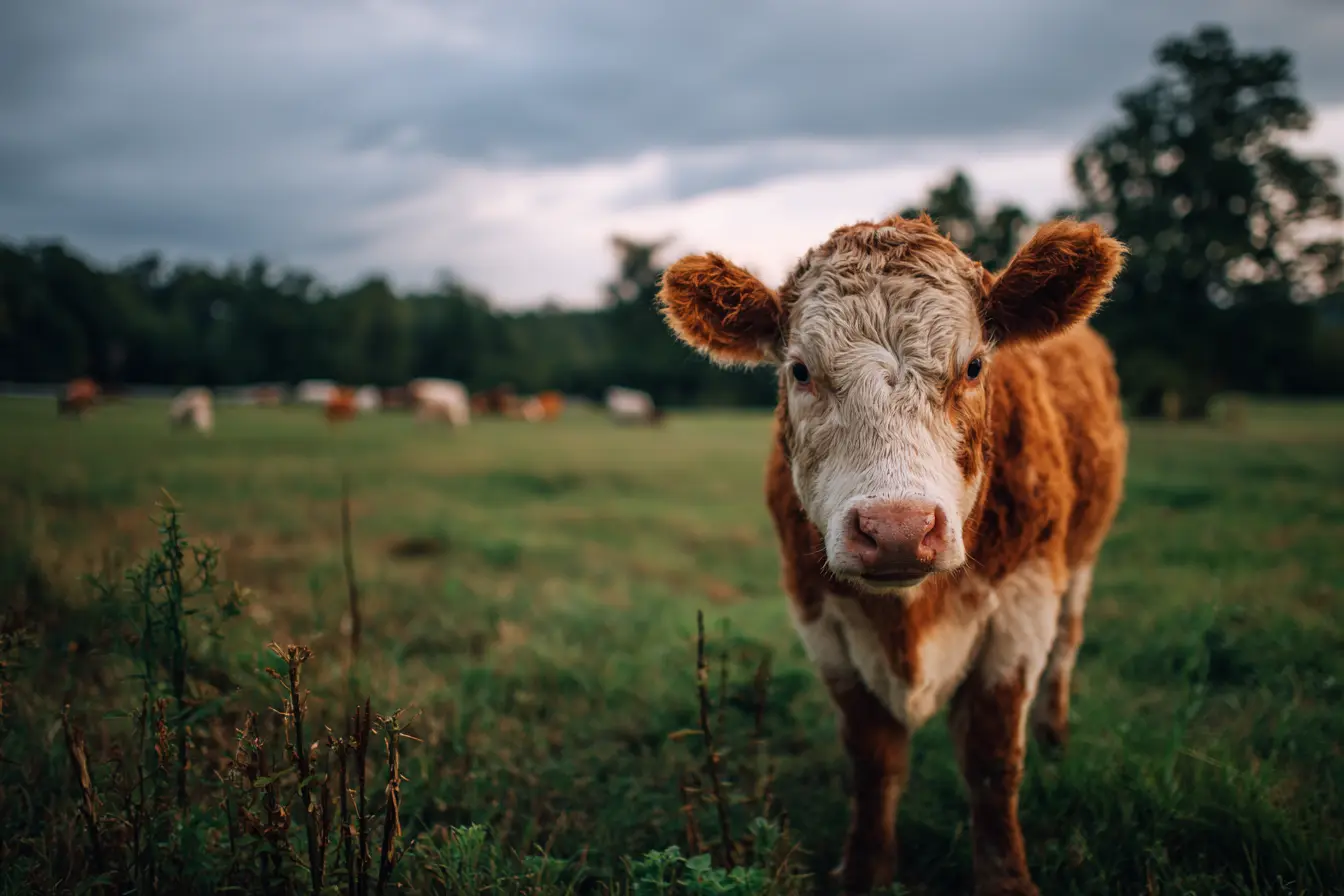
Dehorning is the removal of fully developed horns from cattle. It is a common management practice on some farms, particularly where horned cattle could pose safety risks to other animals or to people. However, dehorning is a painful and invasive surgical procedure, and it carries more risk than disbudding, which is performed on young calves before horns develop.
In the UK, dehorning is governed by strict animal welfare legislation and should only be carried out when necessary, using correct techniques, equipment, and pain management. This guide explains everything you need to know about dehorning cattle, including why and when it is done, legal requirements, the procedure itself, aftercare, and welfare considerations.
Why Dehorning is Performed
The main reasons for removing horns from cattle are:
Safety: Horned cattle can injure herd mates, handlers, and other animals.
Welfare: Horned cattle are more likely to get trapped in fences or feeders and may cause serious wounds during fighting.
Ease of management: Hornless cattle are easier to transport, house, and handle.
Reduced aggression: Removing horns reduces the severity of injuries during social disputes.
Although dehorning can provide these benefits, disbudding calves at an early age is the preferred method of horn control because it is less invasive and less painful. Dehorning should only be performed on older cattle if disbudding was missed or if there is a medical reason (such as horn injury or infection).
Legal Requirements in the UK
Dehorning is controlled under the Animal Welfare Act 2006 and the Mutilations (Permitted Procedures) (England) Regulations 2007, with equivalent rules in Scotland, Wales, and Northern Ireland.
Key legal points:
Dehorning must only be done by a trained, competent person.
If the animal is over two months old, local anaesthetic is legally required.
For older cattle and mature adults, dehorning should only be carried out by a veterinary surgeon, as it is considered a surgical procedure.
Pain relief (analgesia) must be used during and after dehorning.
These laws are in place to protect the welfare of cattle and ensure dehorning is only done humanely.
Ideal Timing
Calves under 2 months old should be disbudded, not dehorned.
Dehorning is generally reserved for older calves or adult cattle that already have fully developed horns.
Performing dehorning as early as possible (while the horns are still small) reduces pain, stress, and complications.
The Dehorning Procedure
Because dehorning can be done at different ages and using different methods, the exact approach depends on the size of the horns. The following outlines the general veterinary procedure used on older cattle:
Restraint and anaesthesia
The animal is restrained in a crush or head gate.
Local anaesthetic is injected around the cornual nerve (at the base of the horn).
For adult cattle, sedation or general anaesthesia may be used, especially if the horns are large.
Pain relief (NSAIDs) is administered.
Horn removal
The area is clipped and disinfected.
The horn is removed using dehorning saws, embryotomy wire, or dehorning shears.
The cut goes through the horn and the underlying horn-producing tissue at the base.
Haemostasis and wound care
Bleeding vessels are cauterised or tied off.
The open sinus (exposed after horn removal) is packed or dressed if necessary to prevent infection and contamination.
Recovery and monitoring
The animal is monitored until fully recovered from sedation or anaesthesia.
It is returned to a clean, dry environment for healing.
Aftercare
Proper aftercare is essential for recovery and to prevent complications:
Keep cattle in clean, dry housing for at least a week after the procedure.
Monitor for signs of infection, excessive bleeding, or flystrike.
Continue pain relief and anti-inflammatories as prescribed by the vet.
Avoid transporting or mixing animals until wounds are healed.
Complete healing usually takes 4 to 6 weeks, though scabbing occurs within 2 weeks.
Potential Complications
Dehorning is more invasive than disbudding and carries greater risks, especially in adult cattle. Possible complications include:
Severe bleeding.
Infection or sinusitis (infection of the exposed frontal sinus).
Flystrike in warm weather.
Delayed wound healing.
Pain, stress, and weight loss due to recovery.
These risks are why dehorning should only be done when necessary and always with proper veterinary input.
Alternatives to Dehorning
Disbudding: Removing horn buds in calves under two months old is far less painful and has fewer complications.
Breeding polled cattle: Polled (naturally hornless) genetics are available in many beef and dairy breeds.
Management strategies: Adjusting housing, handling, and stocking density to reduce aggression and injury risks from horns.
Horn tipping: Trimming only the sharp tip of horns to reduce injury risk without full removal (less invasive and can often be done without anaesthetic if done carefully on small tips).
Welfare Considerations
Dehorning causes significant pain and distress, so pain management is essential.
It should never be done routinely if disbudding or other options are available.
Animal welfare codes recommend disbudding as the preferred method of horn control.
If dehorning is necessary, it must be carried out by trained personnel using correct restraint, anaesthesia, and post-operative care.
Conclusion
Dehorning cattle is an invasive surgical procedure that should only be performed when absolutely necessary, such as when disbudding was missed or when horns cause injury or risk. It carries more pain and risk than disbudding, so early horn management is strongly recommended.
In the UK, dehorning must be done humanely, legally, and with full pain relief. By prioritising early disbudding, using polled genetics, and seeking veterinary guidance when dehorning is unavoidable, farmers can protect cattle welfare and maintain safe, manageable herds.
Quick questions
- What should I know about dehorning cattle?
- Dehorning cattle involves removing fully grown horns and is more invasive than disbudding. Vet Verified can help you compare UK veterinary practices by location, species, services and opening hours before you call.
- When should I contact a vet about dehorning cattle?
- Contact a veterinary practice if your pet seems unwell, symptoms are getting worse, you are unsure what to do, or the situation may be urgent. Vet Verified helps you compare practice details, but a vet should advise on your pet's current care.
- Can Vet Verified help me find emergency vets?
- Yes. Use Vet Verified to compare emergency vets across the UK, then check practice profiles and call directly to confirm current availability.
Find a vet
Find a veterinary practice
Compare UK veterinary practices related to this topic. Call the practice to confirm its current services and availability.