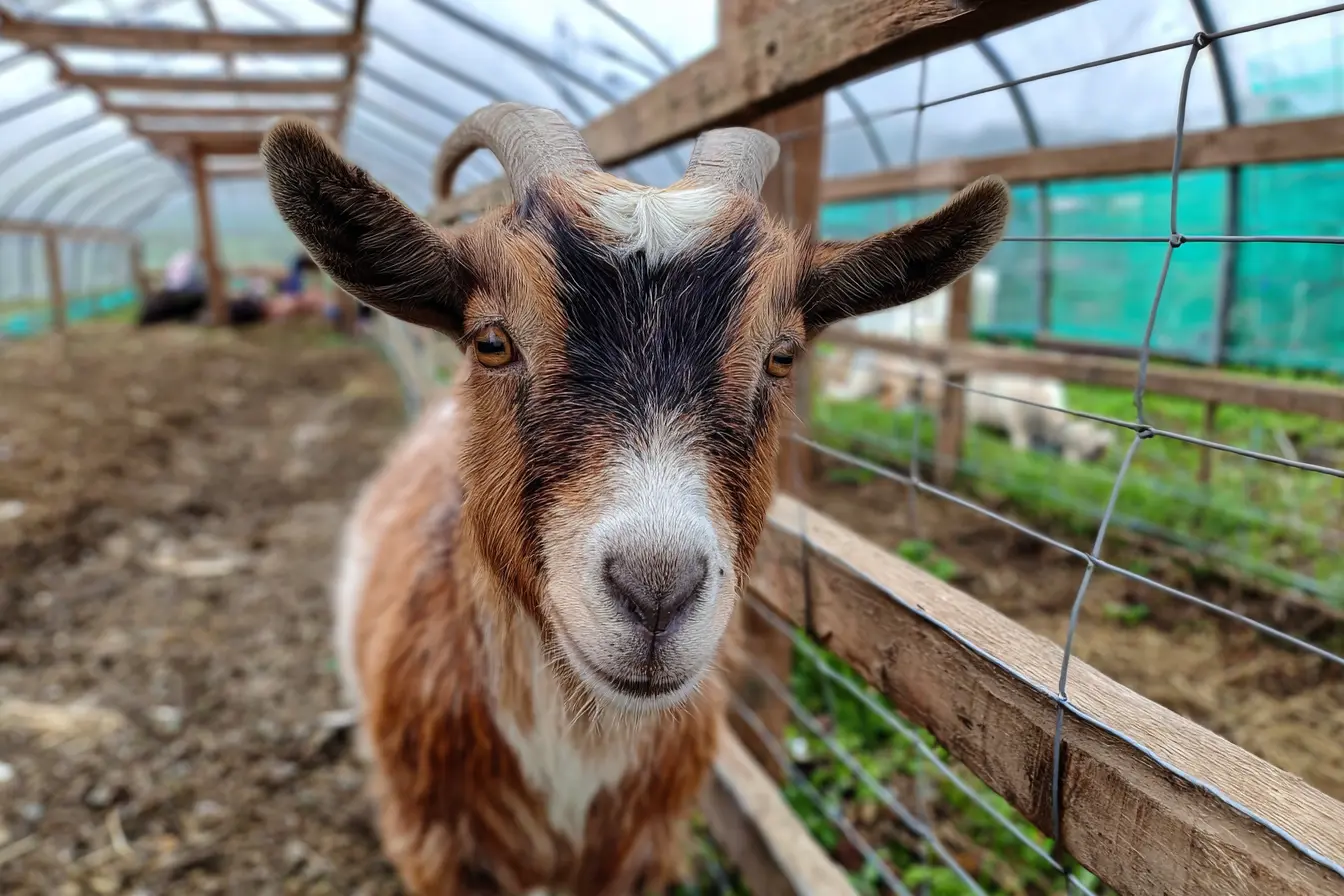
Blackleg is a severe, acute and often fatal clostridial disease that can affect goats, though it is more commonly associated with cattle and sheep. Caused by the bacterium Clostridium chauvoei, blackleg is characterised by sudden death following toxin production in damaged muscle tissue.
For goat keepers in the UK, blackleg is relatively rare but still poses a significant risk, particularly in unvaccinated herds or where animals are grazed on pastures with a history of clostridial disease. This guide outlines everything you need to know about blackleg in goats, including causes, symptoms, diagnosis, treatment, and prevention.
What is Blackleg?
Blackleg is caused by Clostridium chauvoei, a spore-forming bacterium that:
Is found widely in soil, manure and the intestines of animals.
Survives in the environment for years as resistant spores.
Enters the goat’s body through ingestion or open wounds.
Remains dormant in muscle tissue until conditions (such as trauma or bruising) create an oxygen-free environment, allowing the spores to activate.
When activated, the bacteria release powerful toxins that:
Destroy muscle tissue.
Produce gas within the muscles.
Cause septicaemia (blood poisoning).
Rapidly lead to death.
Causes and Risk Factors
Goats are at increased risk of blackleg under certain conditions:
Muscle trauma: bruising from rough handling, fighting, transport or injections.
Wounds: shearing cuts, castration, disbudding, or kidding injuries.
Grazing contaminated pasture: especially fields previously grazed by cattle or sheep with a history of blackleg.
Environmental contamination: spores present in soil, manure or water.
Lack of vaccination: goats not protected by a clostridial vaccine are highly vulnerable.
Young, fast-growing goats are more commonly affected, though blackleg can occur at any age.
Symptoms of Blackleg
Blackleg develops very quickly, and many goats are found dead without obvious signs of illness. Where clinical signs are seen, they may include:
Sudden onset of severe lameness.
Painful, swollen muscles (usually in the hindquarters, neck or shoulders).
Crackling sound (crepitus) when pressing the swollen area, caused by gas bubbles under the skin.
Depression, high fever, and rapid weakness.
Death within 12–48 hours of symptoms appearing.
Post-mortem findings typically show:
Dark, discoloured, spongy muscle tissue with a foul smell.
Gas accumulation in the muscles.
Rapid decomposition of the carcass.
Diagnosis
Diagnosis is usually based on history, clinical signs, and post-mortem examination.
History: sudden deaths in unvaccinated goats, particularly after handling or injury.
Clinical signs: rapid lameness and swelling in affected muscles.
Post-mortem: characteristic blackened muscle with gas and odour.
Laboratory testing: bacterial culture or PCR may confirm diagnosis, though often unnecessary due to obvious post-mortem lesions.
Treatment
Blackleg treatment is rarely successful, as the disease progresses very quickly.
Where attempted:
High doses of penicillin may help if given very early.
Surgical removal of necrotic (dead) tissue may slow progression.
Supportive care, such as fluids and pain relief, can be provided.
Despite intervention, most affected goats die due to the speed of toxin release.
Prevention
Vaccination
The most effective way to protect goats from blackleg.
In the UK, vaccines are licensed for sheep but are commonly used in goats under veterinary guidance.
Multi-valent clostridial vaccines (5-in-1, 8-in-1, etc.) include protection against blackleg.
Recommended schedule:
Kids: two primary doses, 4–6 weeks apart, starting from 6–12 weeks of age.
Adults: annual booster.
Breeding does: booster given 4–6 weeks before kidding, providing protection for both the doe and her kids via colostrum.
Good Husbandry
Avoid rough handling or overcrowding that may cause bruising.
Use clean, sterile equipment for injections and disbudding.
Maintain good hygiene during kidding, castration and other procedures.
Keep housing clean and dry.
Rotate pastures and avoid grazing goats on land with a history of clostridial outbreaks.
Dispose of carcasses promptly to limit environmental contamination.
Economic and Welfare Impact
Welfare: Blackleg causes rapid and painful illness, making it a major welfare concern.
Economic losses: Sudden death of valuable breeding or fibre-producing goats, alongside veterinary costs and reduced productivity.
Prevention vs loss: Vaccination is inexpensive compared to the economic and welfare impact of an outbreak.
When to Seek Veterinary Help
Contact a vet if:
You experience sudden, unexplained deaths in your herd.
Goats show lameness, swelling, or rapid decline.
You need advice on vaccination programmes or pasture management.
You farm in an area with known clostridial disease risks.
Conclusion
Blackleg in goats is a fast-acting, often fatal clostridial disease caused by Clostridium chauvoei. It enters through wounds or remains dormant in muscles until triggered, at which point it releases toxins that destroy tissue and cause rapid death.
Because treatment is rarely effective, prevention is vital. A robust clostridial vaccination programme, combined with good husbandry and careful wound management, offers the best protection. For goat keepers in the UK, vaccination is a cost-effective and essential step in safeguarding both the welfare of goats and the productivity of the herd.
Quick questions
- What should I know about blackleg?
- Blackleg is a serious and often deadly disease affecting goats, caused by the bacterium *Clostridium chauvoei*. Vet Verified can help you compare UK veterinary practices by location, species, services and opening hours before you call.
- When should I contact a vet about blackleg?
- Contact a veterinary practice if your pet seems unwell, symptoms are getting worse, you are unsure what to do, or the situation may be urgent. Vet Verified helps you compare practice details, but a vet should advise on your pet's current care.
- Can Vet Verified help me find emergency vets?
- Yes. Use Vet Verified to compare emergency vets across the UK, then check practice profiles and call directly to confirm current availability.
Find a vet
Find a veterinary practice
Compare UK veterinary practices related to this topic. Call the practice to confirm its current services and availability.