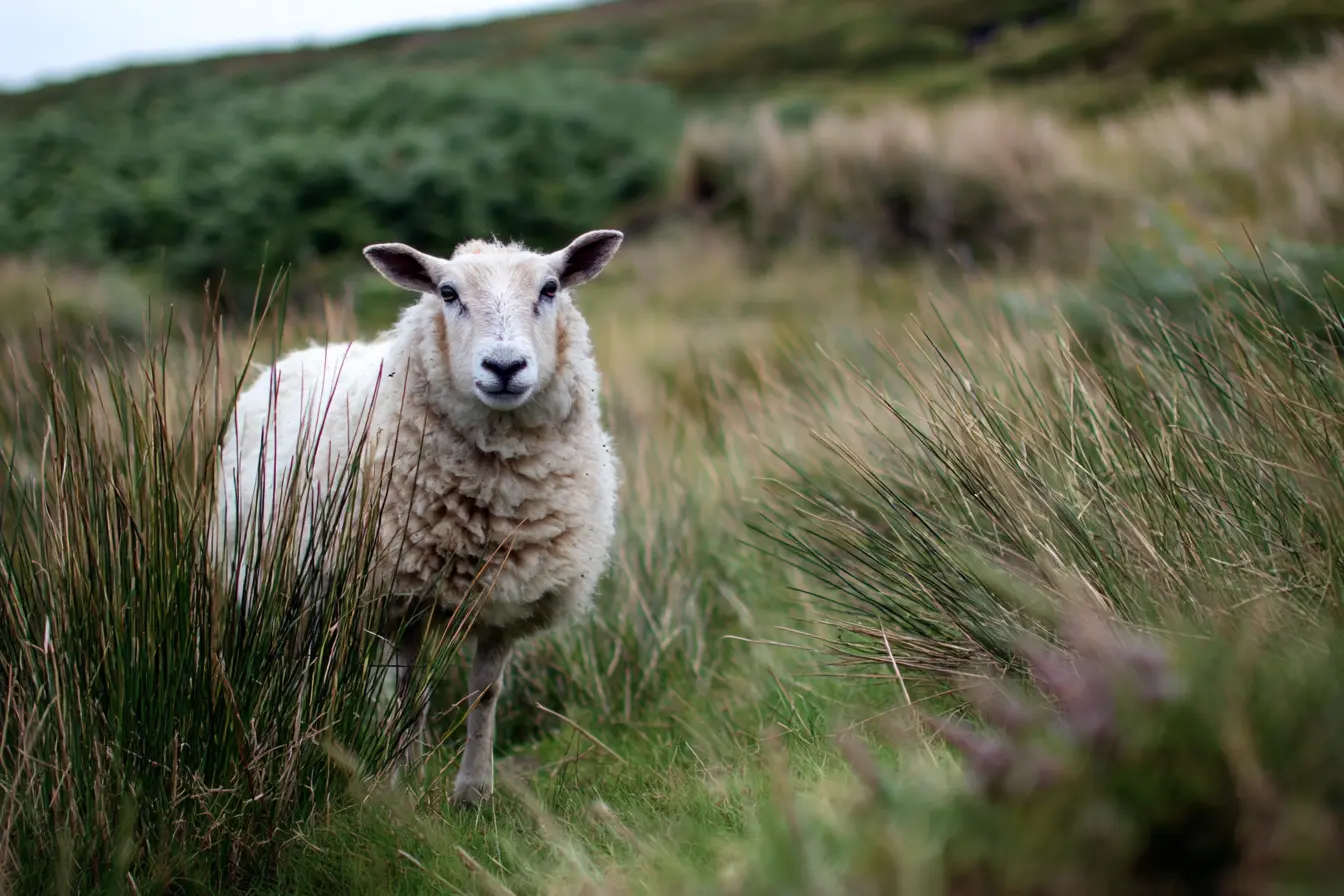
Cheviot sheep are a classic British hill breed, renowned for their hardiness, intelligence, and adaptability. Originating from the rugged border country between England and Scotland, Cheviots are well suited to exposed upland environments but also perform well in lowland systems. With their distinctive white faces, alert expression, and excellent mothering ability, Cheviot sheep are a popular choice for both traditional hill farmers and modern smallholders.
This guide provides a detailed overview of Cheviot sheep, including their history, characteristics, housing, feeding, health care, breeding, and general management.
A Brief History of Cheviot Sheep
Cheviot sheep take their name from the Cheviot Hills, which form a natural border between Northumberland in England and the Scottish Borders. The breed is believed to have existed in this region for several centuries, developing naturally to withstand harsh weather, poor grazing, and exposed terrain.
By the 18th and 19th centuries, Cheviots had become widely established as a reliable hill breed, valued for their ability to produce quality lambs in challenging conditions. Today, they remain an important breed within the UK sheep industry and have also been exported worldwide due to their versatility and resilience.
Key Characteristics of Cheviot Sheep
Cheviot sheep combine hardiness with productivity, making them suitable for a wide range of farming systems.
Appearance: White face and legs with a clean, wool-free head. They have upright ears and an alert, intelligent expression.
Horns: Naturally polled (hornless) in both rams and ewes.
Size: Medium-sized sheep. Ewes typically weigh 55–70kg, while rams can reach 80–90kg.
Temperament: Active, intelligent, and independent. They are not overly docile but are manageable with good handling.
Hardiness: Extremely hardy and well suited to cold, wet, and windy conditions.
Wool Quality: Medium wool with good strength and durability, suitable for tweed, carpets, and knitting yarns.
Meat Quality: Produces lean, flavoursome lamb with good carcass conformation.
Housing for Cheviot Sheep
Cheviot sheep are well adapted to outdoor living and require minimal housing.
Shelter Requirements
Natural Shelter: Hills, banks, hedgerows, and stone walls provide adequate protection in most systems.
Field Shelters: Useful in lowland systems or during extreme weather.
Winter Housing: Rarely necessary, except for intensive systems or veterinary management.
Fencing
Secure Fencing: Cheviots are agile and inquisitive, and good fencing is essential.
Fence Height: At least 1.2 metres is recommended.
Electric Fencing: Effective for rotational grazing when well maintained.
Feeding Cheviot Sheep
Cheviot sheep are efficient grazers and perform well on marginal land.
Diet
Rough Grazing: Thrive on hill pasture, heath, and poorer-quality grass.
Improved Pasture: Adapt well to lowland grazing and respond positively to better-quality grass.
Winter Forage: Hay or silage may be required during winter when grazing is limited.
Concentrates: May be used for pregnant or lactating ewes, particularly in lowland or commercial systems.
Minerals: Provide access to a sheep-specific mineral block tailored to local deficiencies.
Water
Constant access to clean, fresh water is essential in all systems.
Breeding Cheviot Sheep
Cheviots are valued for their strong maternal instincts and reliable breeding performance.
Breeding Characteristics
Age to Breed: Ewes are typically bred from 18 months of age.
Gestation Period: Approximately 147 days.
Lambing: Generally straightforward, with good lamb survival rates.
Care of Lambs
Lambs are vigorous at birth and quick to stand and suckle.
Ewes are attentive mothers with good milk production.
Outdoor lambing is common and well suited to the breed.
Health Care for Cheviot Sheep
Cheviot sheep are robust but still require routine health management.
Vaccinations
Work with your vet to develop an appropriate vaccination programme, commonly including:
Pasteurellosis
Parasite Control
Cheviots tend to have reasonable parasite resistance, particularly in hill systems.
Use faecal egg counts to guide worming decisions.
Monitor for liver fluke in wet grazing areas.
Hoof Care
Foot Trimming: Usually minimal due to natural wear.
Foot Health: Regular checks help prevent scald and foot rot, especially in wetter lowland conditions.
Common Health Issues
Flystrike: Risk increases in warm weather and should be managed with preventative measures.
Lameness: Generally low incidence but should be addressed promptly.
Trace Element Deficiencies: Can vary by region and should be monitored.
Behaviour and Handling
Cheviot sheep are alert and intelligent, reflecting their hill-bred nature.
Active Nature: More flighty than lowland breeds but responsive to calm handling.
Handling Systems: Good handling facilities make routine tasks easier and safer.
Adaptability: Cheviots adapt well from hill to lowland systems when managed correctly.
Why Choose Cheviot Sheep?
Cheviot sheep offer a strong balance of resilience and productivity:
Excellent Hardiness: Ideal for exposed and upland environments.
Versatility: Performs well in both hill and lowland systems.
Good Mothering Ability: Strong lamb survival rates.
Quality Lamb: Produces desirable carcasses with lean meat.
Strong Wool: Suitable for traditional textile uses.
Conclusion
Cheviot sheep are a dependable and versatile native breed, shaped by generations of farming in challenging conditions. Their hardiness, intelligence, and strong maternal traits make them a valuable option for both traditional hill farms and adaptable lowland systems.
With appropriate grazing management, routine health care, and calm handling, Cheviot sheep can thrive with minimal intervention. By choosing Cheviots, you are investing in a breed with a proven track record, strong British heritage, and the flexibility to perform well across a wide range of farming environments.
Quick questions
- What should I know about cheviot sheep?
- Cheviot sheep are a popular British hill breed known for their hardiness and adaptability. Originating from the Cheviot Hills between England and Scotland, they are suited to both upland and lowland environments. Vet Verified can help you compare UK veterinary practices by location, species, services and opening hours before you call.
- When should I contact a vet about cheviot sheep?
- Contact a veterinary practice if your pet seems unwell, symptoms are getting worse, you are unsure what to do, or the situation may be urgent. Vet Verified helps you compare practice details, but a vet should advise on your pet's current care.
- Can Vet Verified help me find a vet?
- Yes. Use Vet Verified to compare UK veterinary practices by location, species, services and opening hours, then call directly to confirm current availability.
Find a vet
Find a veterinary practice
Compare UK veterinary practices related to this topic. Call the practice to confirm its current services and availability.
Find a vet