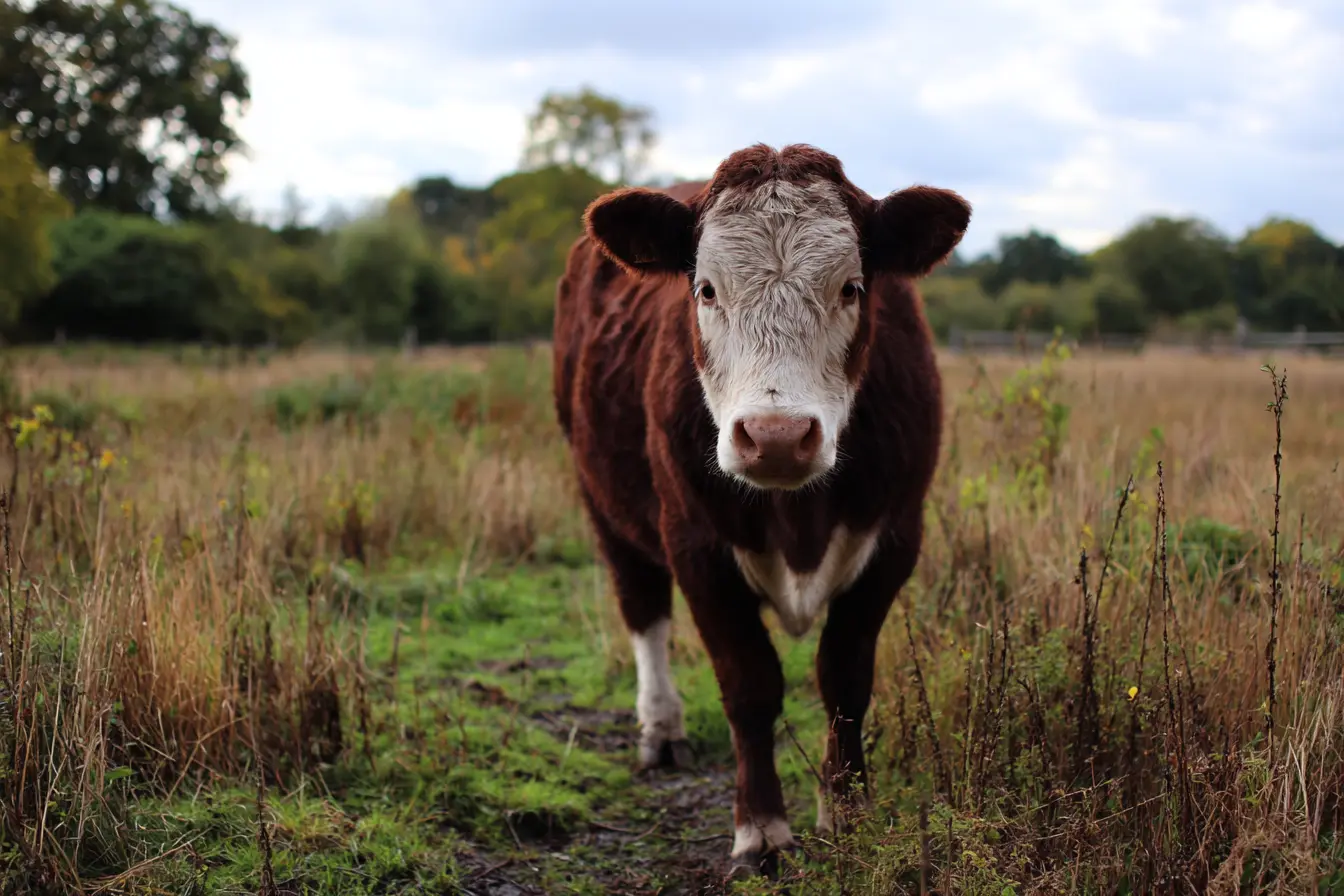
Pulpy kidney disease, also known as enterotoxaemia, is one of the most important clostridial diseases affecting cattle. It is caused by Clostridium perfringens type D and is characterised by sudden death in young, fast-growing calves. Although less common in cattle than in sheep and goats, it can still cause serious losses, particularly in intensively managed herds.
For cattle farmers in the UK, pulpy kidney disease represents a preventable but potentially devastating condition. This guide explains what pulpy kidney disease is, how it develops, the symptoms, diagnosis, treatment, and, most importantly, prevention strategies.
What is Pulpy Kidney Disease?
Pulpy kidney disease is caused when Clostridium perfringens type D, a bacterium normally present in the intestine of healthy cattle, multiplies uncontrollably.
When conditions in the gut favour its rapid growth, the bacteria produce epsilon toxin, which:
Damages blood vessels.
Affects the kidneys, brain, and other organs.
Causes sudden illness and often rapid death.
The name “pulpy kidney” comes from the characteristic soft, swollen kidneys seen during post-mortem examinations.
Causes and Risk Factors
Pulpy kidney disease is usually triggered by dietary or management factors that encourage rapid bacterial growth:
Sudden dietary changes: moving cattle quickly onto lush pasture, silage, or high-concentrate rations.
High-energy diets: fast-growing calves receiving large amounts of grain or concentrates.
Irregular feeding: missed meals followed by overeating.
Unweaned or weaned calves: receiving large quantities of milk or milk replacer.
Well-conditioned animals: the best-fed and fastest-growing calves are often most at risk.
Lack of vaccination: unvaccinated or incompletely vaccinated cattle are highly susceptible.
Calves between 2 weeks and 12 months of age are most commonly affected, though older cattle can also develop the disease.
Symptoms
In many cases, pulpy kidney disease causes sudden death without warning. However, where symptoms are observed, they may include:
Sudden collapse.
Neurological signs: convulsions, staggering, circling, or head pressing.
Bloating and abdominal pain.
Profuse diarrhoea in some cases.
Blindness or incoordination in subacute cases.
Because the disease progresses rapidly, affected cattle usually die within a few hours of symptoms appearing.
Diagnosis
Diagnosis is generally based on history, symptoms, and post-mortem findings.
History: sudden death in rapidly growing, well-fed calves, often after a dietary change.
Clinical signs: neurological symptoms or diarrhoea, though these are rarely seen before death.
Post-mortem findings:
Soft, swollen kidneys that break down quickly (pulpy kidneys).
Fluid around the brain (oedema).
Haemorrhages in the intestine.
Laboratory testing: detection of epsilon toxin in intestinal contents confirms the diagnosis.
Treatment
Treatment is rarely effective due to the rapid progression of the disease.
High doses of penicillin may be attempted if caught very early.
Antitoxins, where available, can neutralise circulating toxins.
Supportive care (fluids, pain relief, nursing) may help in mild cases.
In practice, prevention is far more effective than treatment.
Prevention
Vaccination
The most reliable method of prevention.
Multivalent clostridial vaccines (5-in-1, 8-in-1, etc.) protect against pulpy kidney and other clostridial diseases.
Vaccination programme:
Calves: first dose from 2–3 months of age, followed by a second dose 4–6 weeks later.
Annual booster for all cattle.
Breeding cows: booster before calving ensures both cow and calf are protected (via colostrum immunity).
Feeding Management
Avoid sudden changes in diet – introduce new feeds gradually over 7-14 days.
Ensure consistent feeding routines; avoid long fasting periods.
Monitor calves receiving high levels of grain or milk replacer.
Provide access to fibre (hay or forage) alongside concentrates.
General Herd Management
Keep accurate records of vaccination to ensure herd coverage.
Pay particular attention to the fastest-growing calves, as they are most vulnerable.
Work with a vet to design a clostridial vaccination plan tailored to your herd.
Economic and Welfare Impact
Welfare: Pulpy kidney disease causes severe illness and rapid death, making it a serious welfare concern.
Economic: Loss of prime calves, reduced productivity, and veterinary costs.
Prevention vs loss: Vaccination is inexpensive compared to the financial losses from sudden deaths.
When to Seek Veterinary Help
A vet should be contacted if:
Calves die suddenly without explanation.
Multiple animals are affected in a short period.
You suspect pulpy kidney but need confirmation.
You need guidance on vaccination or feeding strategies.
Conclusion
Pulpy kidney disease in cattle is a devastating but preventable condition. Caused by Clostridium perfringens type D, it is triggered by sudden dietary changes or rich feeding, and it typically affects the fastest-growing calves. Treatment is rarely effective once symptoms appear, but prevention through vaccination and careful feeding management provides excellent protection.
For UK cattle farmers, a robust clostridial vaccination programme combined with gradual dietary transitions and good herd management is the best defence against this deadly disease.
Quick questions
- What should I know about pulpy kidney disease?
- Pulpy kidney disease, or enterotoxaemia, is a severe clostridial disease affecting cattle, primarily young, rapidly growing calves. Vet Verified can help you compare UK veterinary practices by location, species, services and opening hours before you call.
- When should I contact a vet about pulpy kidney disease?
- Contact a veterinary practice if your pet seems unwell, symptoms are getting worse, you are unsure what to do, or the situation may be urgent. Vet Verified helps you compare practice details, but a vet should advise on your pet's current care.
- Can Vet Verified help me find emergency vets?
- Yes. Use Vet Verified to compare emergency vets across the UK, then check practice profiles and call directly to confirm current availability.
Find a vet
Find a veterinary practice
Compare UK veterinary practices related to this topic. Call the practice to confirm its current services and availability.