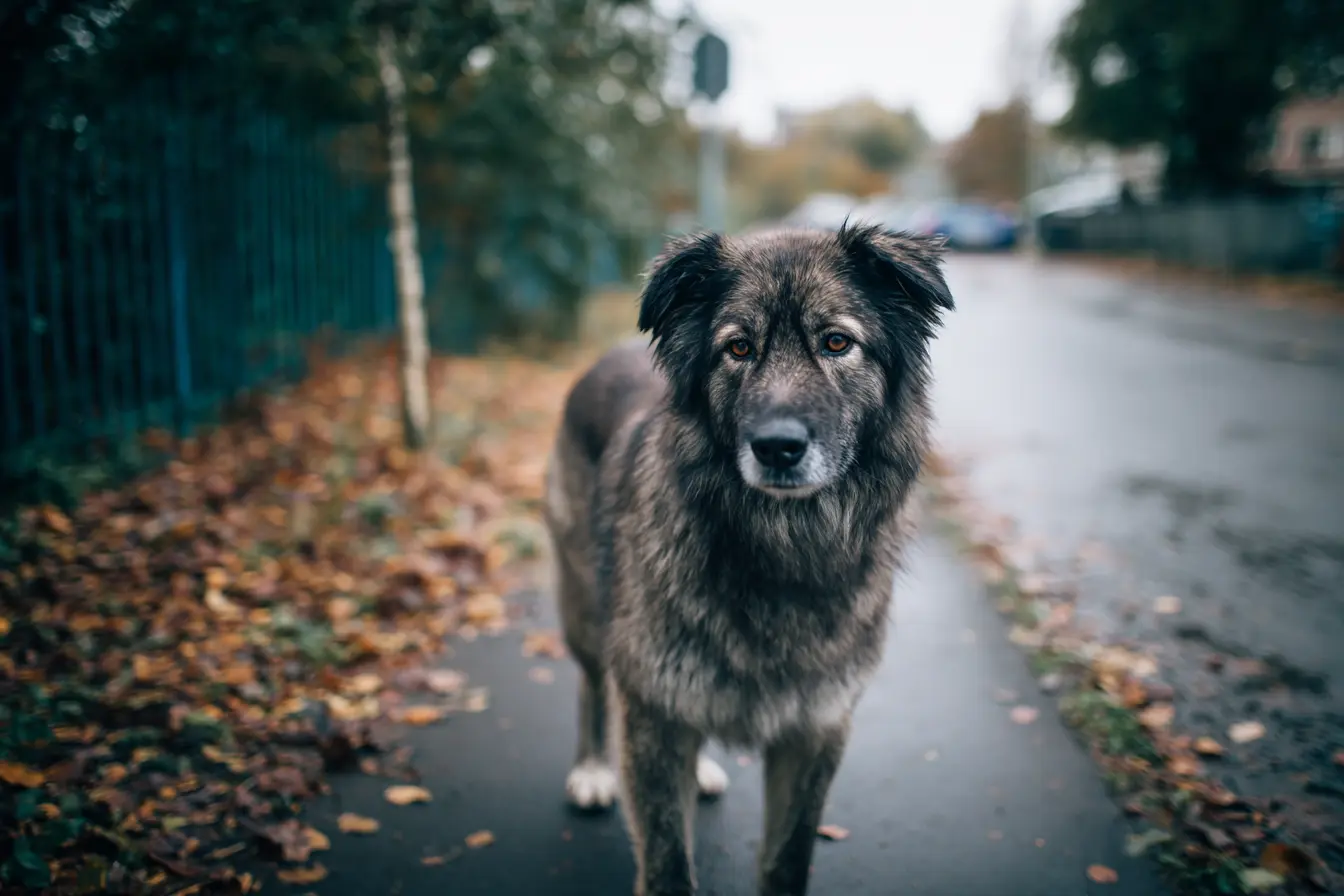
Antifreeze poisoning is a significant risk for dogs, particularly during the colder months in the UK. Many cases occur because antifreeze is commonly used, highly toxic and has a sweet taste that can attract dogs. Even a small amount can cause severe illness or death if not treated immediately.
This guide explains what antifreeze poisoning is, how dogs are exposed, the signs to look out for, what to do in an emergency and how to prevent this potentially fatal poisoning.
What Is Antifreeze and Why Is It Dangerous for Dogs?
Antifreeze is a liquid used in vehicle radiators and some heating systems to prevent freezing. The most dangerous antifreeze products contain ethylene glycol, a chemical that is extremely toxic to dogs.
Once ingested, ethylene glycol is rapidly absorbed and broken down into toxic compounds that cause:
Severe kidney damage
Metabolic disturbances
Organ failure
For dogs, ingestion of even a small amount can be fatal, particularly in smaller breeds.
How Dogs Are Exposed to Antifreeze
Dogs may be exposed to antifreeze in several ways, including:
Drinking from puddles formed by leaking vehicles
Licking antifreeze spills on driveways or roads
Chewing containers or rags contaminated with antifreeze
Grooming paws after walking through antifreeze-contaminated areas
Exposure to antifreeze used in household systems
Because dogs are naturally curious and often explore using their mouths, they are especially vulnerable.
Why Antifreeze Poisoning Is So Dangerous
Antifreeze poisoning progresses rapidly in dogs:
Toxic effects can begin within 30 minutes
Serious kidney damage can develop within 24 to 72 hours
Once kidney failure is established, the prognosis is poor
Early treatment is critical. Delays can significantly reduce the chances of survival.
Signs and Symptoms of Antifreeze Poisoning in Dogs
Symptoms can appear quickly and often worsen over time.
Early Signs (within 30 minutes to 12 hours)
Vomiting
Drooling
Increased thirst and urination
Lethargy
Uncoordinated movement or appearing drunk
Rapid breathing
Later Signs (12 to 72 hours)
Severe lethargy or collapse
Dehydration
Reduced or no urination
Abdominal pain
Seizures
Coma
By the time later signs develop, severe kidney failure is often present.
What To Do If You Suspect Antifreeze Poisoning
Antifreeze poisoning is a veterinary emergency.
If you think your dog may have ingested antifreeze:
Contact your vet or an emergency veterinary clinic immediately
Tell them you suspect antifreeze poisoning
Do not induce vomiting unless instructed by a vet
Do not give food, water or home remedies unless advised
Treatment is most effective when started within the first few hours after ingestion.
Diagnosis and Treatment
Diagnosis
Diagnosis may involve:
A history of possible exposure
Clinical signs
Blood and urine tests
Specific tests for antifreeze, if available
Treatment
Treatment may include:
Antidotes, which are only effective if given early
Intravenous fluids
Medications to protect and support kidney function
Intensive hospitalisation and monitoring
Despite treatment, outcomes can be poor if therapy is delayed.
Preventing Antifreeze Poisoning in Dogs
Prevention is the most effective protection.
At Home and Outdoors
Check vehicles regularly for antifreeze leaks
Clean up spills immediately and thoroughly
Store antifreeze securely and out of reach
Do not leave containers, rags or tools contaminated with antifreeze accessible
Choose Safer Products
Use pet-safe antifreeze containing propylene glycol where possible
These products are safer but should still be handled carefully
Supervise Outdoor Access
Keep dogs on leads near roads and car parks
Avoid allowing dogs to drink from puddles
Be vigilant during winter walks
Why Winter Increases the Risk
Cases of antifreeze poisoning increase during winter because:
Antifreeze is used more frequently
Vehicle leaks are more common
Puddles form and persist in cold weather
Dogs spend more time walking near roads and pavements
Key Points for Dog Owners
Antifreeze is extremely toxic to dogs
Even small amounts can be fatal
Symptoms progress rapidly
Immediate veterinary care is essential
Prevention is critical
Conclusion
Antifreeze poisoning is a devastating but preventable emergency in dogs. Awareness, prompt action and careful prevention can save lives. By understanding the risks and taking sensible precautions, dog owners can greatly reduce the danger posed by antifreeze during the winter months.
If you ever suspect your dog has been exposed to antifreeze, seek veterinary care immediately. Acting quickly can make the difference between life and death.
Quick questions
- What should I know about antifreeze poisoning?
- Antifreeze poisoning is a serious threat to dogs, especially in the UK during winter. Antifreeze tastes sweet and is highly toxic due to ethylene glycol, causing severe kidney damage and organ failure even in small amounts. Vet Verified can help you compare UK veterinary practices by location, species, services and opening hours before you call.
- When should I contact a vet about antifreeze poisoning?
- Contact a veterinary practice if your pet seems unwell, symptoms are getting worse, you are unsure what to do, or the situation may be urgent. Vet Verified helps you compare practice details, but a vet should advise on your pet's current care.
- Can Vet Verified help me find dog vets?
- Yes. Use Vet Verified to compare dog vets across the UK, then check practice profiles and call directly to confirm current availability.
Find a vet
Find a veterinary practice
Compare UK veterinary practices related to this topic. Call the practice to confirm its current services and availability.