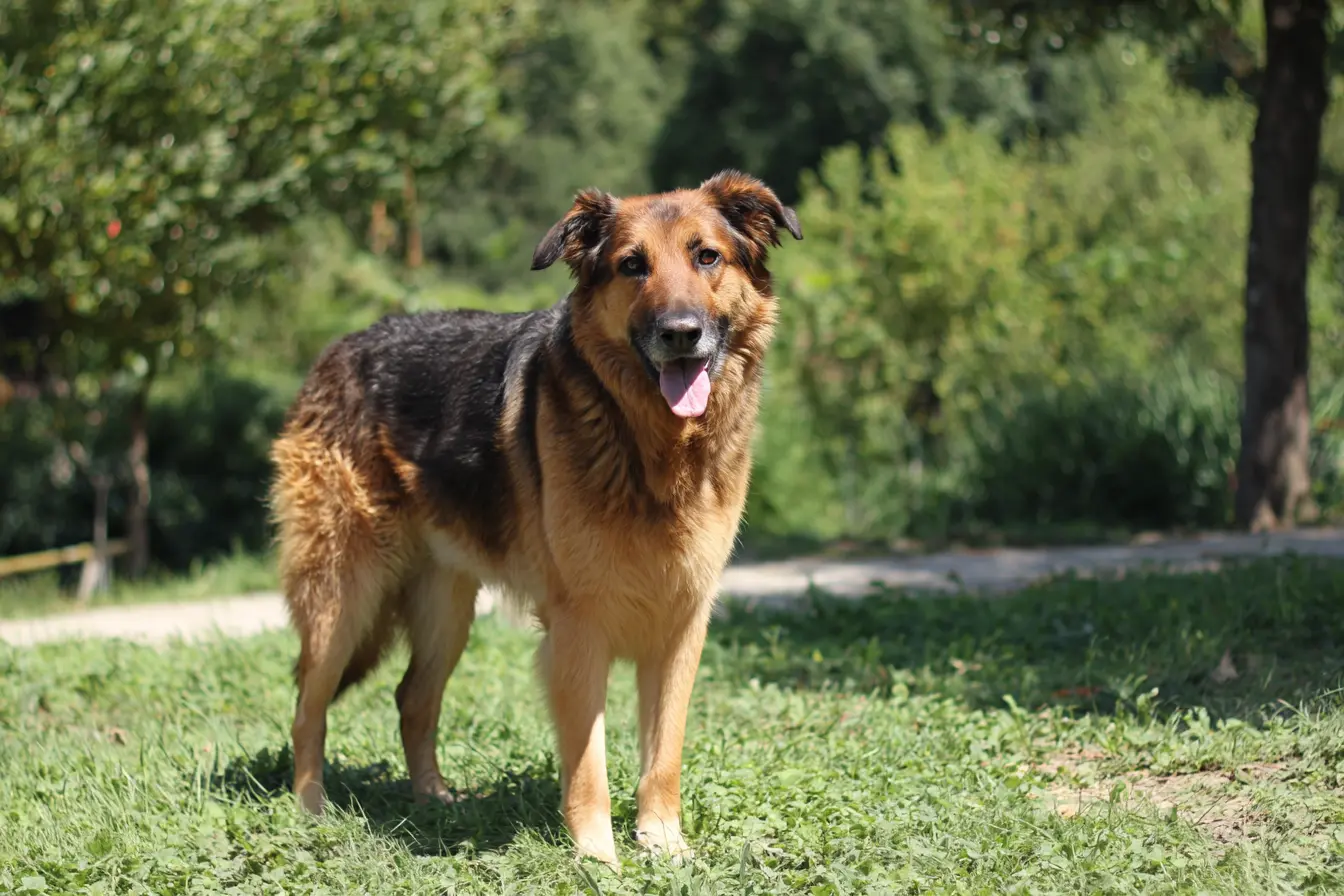
Finding that your dog’s poo appears white or chalky can be surprising and worrying. While some causes are harmless and diet-related, pale or white stools can sometimes point to underlying digestive or health problems. This guide explains why your dog’s poo might be white, what it means, the possible causes, when to monitor, and when to contact your vet.
What Does White Poo Look Like?
Dog poo may appear:
Chalky or crumbly
Pale beige, greyish, or completely white
Hard and dry
With white specks or streaks
Soft but pale
With a powdery appearance once dried
The colour and texture can help indicate the cause, so it’s important to observe the stool closely.
Common Causes of White or Pale Dog Poo
Raw Bones in the Diet
The most common cause of white, chalky stools is a diet containing raw bones. When dogs eat raw bones, the high calcium content thickens and hardens the stool. As the poo dries out, it often becomes chalky and turns white.
Signs this may be the cause:
Difficulty passing stools
Occasional constipation
White, powder-like droppings in the garden
This is generally harmless if bones are given safely and in moderation. However, excessive bone in the diet can lead to constipation or impaction.
High Calcium Intake
Even dogs not fed bones can have white stools if their diet contains too much calcium. This may occur when feeding:
Calcium supplements
Excessive dairy products
Homemade diets without proper balance
Some types of fortified kibble (rare)
If calcium intake is too high, stools may become pale, dry, or hard.
Digestive Issues Affecting Bile Production
Healthy poo is brown because of bile, a digestive fluid produced by the liver and released into the intestines. If a dog is not producing or receiving enough bile, the stool may appear pale, grey, or clay-coloured.
Possible causes include:
Liver disease
Gallbladder problems
Bile duct obstruction
Pancreatic disease
Severe digestive inflammation
Pale stools due to lack of bile are often soft or greasy rather than chalky.
Pancreatitis or Exocrine Pancreatic Insufficiency (EPI)
The pancreas plays a key role in digesting fat. If the pancreas is inflamed or not functioning properly, stools may become pale, oily, or light in colour.
Other symptoms of pancreatic issues include:
Weight loss
Increased appetite
Greasy or foul-smelling stools
Diarrhoea
Vomiting
Flatulence
Pancreatic conditions require veterinary treatment and long-term management.
Worms or Parasites
Small white segments in your dog’s poo may be pieces of tapeworm. These are typically:
Grain-like white segments
Occasionally moving when fresh
Found around the anus or in bedding
If you notice anything resembling rice grains in or around your dog’s poo, deworming is needed. A vet diagnosis may be required to confirm the type of parasite.
Indigestible Materials
Sometimes pieces of toys, plastic, paper, grass, or other non-food items may appear in poo as white specks or streaks. Dogs that chew inappropriate items may pass them in their stools.
Monitor your dog for any signs of obstruction or digestive discomfort if you suspect foreign objects are being swallowed.
Medications or Treatments
Some medications or treatments can temporarily lighten stool colour. For example:
Certain antacids
Calcium-containing medications
Barium used in imaging tests
These usually cause a temporary colour change and are not harmful.
When to Monitor and When to Worry
White or pale stools are not always an emergency. The following guidance can help you decide what to do next.
Safe to Monitor at Home
You can monitor your dog for 24–48 hours if:
The stool is white and chalky and your dog recently ate raw bones
There are only small white flecks and your dog is otherwise well
Your dog recently received a medication known to affect stool colour
Your dog is eating, drinking, and acting normally
During this time, observe for improvement or ongoing pale stools.
When to Contact a Vet
Seek veterinary advice if:
The stool remains pale for more than 48 hours
Your dog has not eaten bones or high-calcium foods recently
The poo is soft, grey, or clay-like
Worms or worm segments are visible
Your dog has diarrhoea or vomiting
Your dog seems lethargic or unwell
There is weight loss or appetite changes
These signs may indicate underlying liver, gallbladder, or pancreatic disease.
When It Is an Emergency
Seek urgent veterinary help if your dog has:
White or pale stools along with yellowing of the eyes or gums
Signs of abdominal pain
Persistent vomiting
Sudden collapse or extreme lethargy
Inability to pass stools despite straining
A known ingestion of a foreign object
These can indicate severe medical conditions requiring immediate treatment.
How Vets Diagnose the Cause of White Stools
A vet may perform:
Physical examination
Blood tests (to check liver, pancreas, and general health)
Imaging such as ultrasound or X-rays
Stool analysis for parasites
Gallbladder or liver assessments
Early diagnosis helps ensure the best outcome.
Prevention Tips
Feed bones safely and sparingly if part of the diet
Ensure a balanced diet without excess calcium
Avoid giving dogs cooked bones, which can splinter
Keep up with regular worming treatments
Prevent dogs from chewing or swallowing foreign objects
Maintain a stable, high-quality diet
Regularly check your dog’s wellbeing and stool consistency
Conclusion
White or pale dog poo can be caused by harmless dietary factors, such as eating bones, or by more serious health issues like liver disease or pancreatic problems. Paying attention to your dog’s stools provides valuable insight into their digestive health.
If your dog produces white, grey, or clay-coloured stools more than once, or shows signs of illness, it is always safest to speak to a vet. Early intervention can make a significant difference in your dog’s health and give you peace of mind.
Quick questions
- What should I know about white poo?
- White or pale dog poo can be caused by diet, such as eating raw bones or high calcium foods, or more serious health issues like liver or pancreatic problems. Common signs include chalky, crumbly stools or stools with white specks. Vet Verified can help you compare UK veterinary practices by location, species, services and opening hours before you call.
- When should I contact a vet about white poo?
- Contact a veterinary practice if your pet seems unwell, symptoms are getting worse, you are unsure what to do, or the situation may be urgent. Vet Verified helps you compare practice details, but a vet should advise on your pet's current care.
- Can Vet Verified help me find dog vets?
- Yes. Use Vet Verified to compare dog vets across the UK, then check practice profiles and call directly to confirm current availability.
Find a vet
Find a veterinary practice
Compare UK veterinary practices related to this topic. Call the practice to confirm its current services and availability.