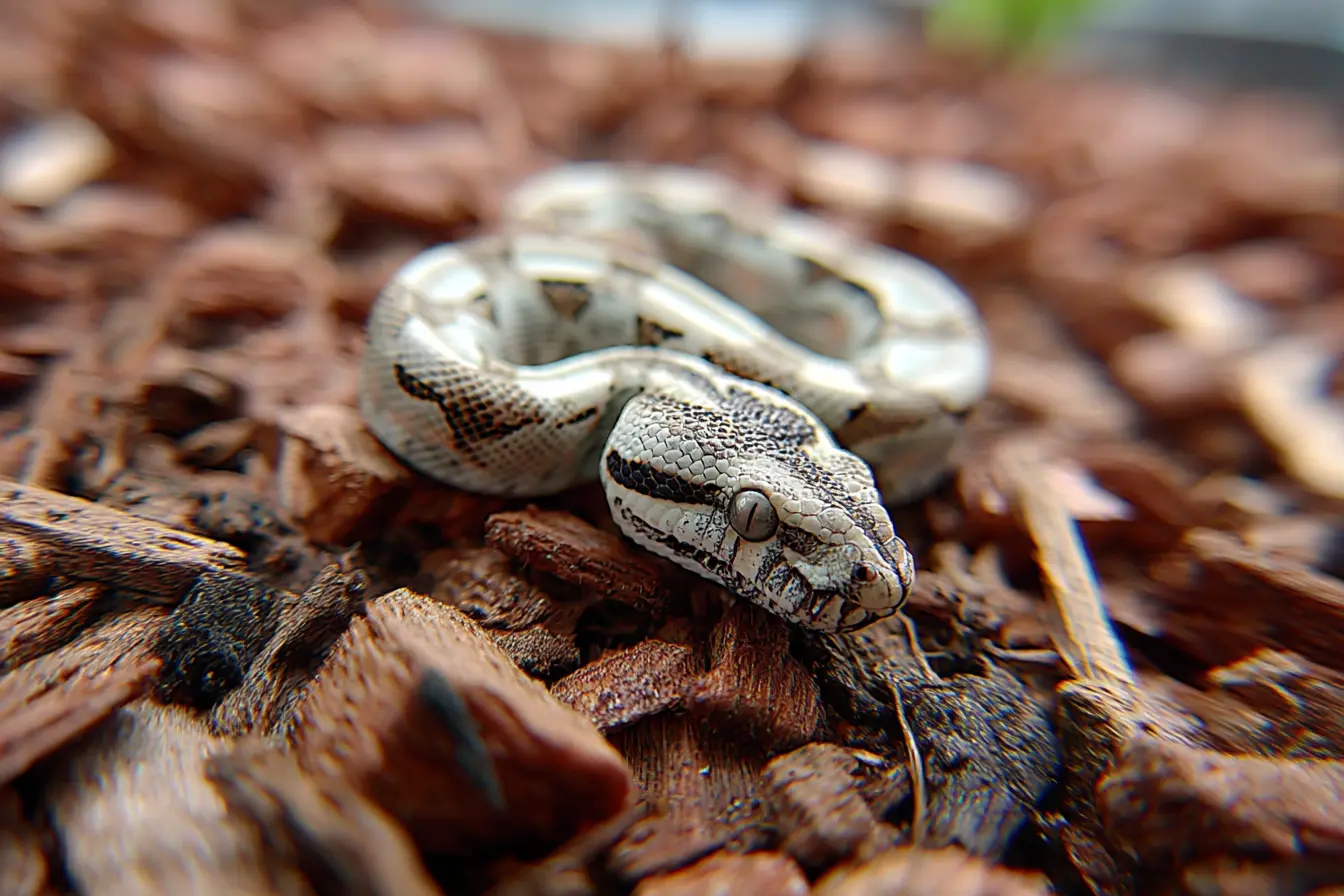
The Hog Island boa (Boa imperator), also known as the Hog Island boa constrictor, is a stunning and docile locality of boa native to the small Hog Islands (Cayos Cochinos) off the northern coast of Honduras. This island-dwelling subspecies has captivated reptile enthusiasts with its calm nature, reduced size, and distinctive pale colouring that can shimmer with a beautiful pinkish hue.
Once considered rare and even thought to be extinct in the wild, the Hog Island boa has made a remarkable comeback in captive breeding programmes. Today, it stands as one of the most sought-after boa constrictors for keepers looking for a manageable, placid, and truly beautiful snake.
Origins and Natural Habitat
The Hog Island boa comes from the Cayos Cochinos archipelago in the Caribbean Sea, a small group of islands characterised by warm temperatures, high humidity, and a mix of tropical forest and coastal vegetation.
Being an island species, the Hog Island boa evolved slightly differently from its mainland relatives. Limited prey availability and environmental conditions led to smaller body sizes and lighter colouration, adaptations that help them blend into their pale, sandy surroundings.
In the wild, these boas are primarily terrestrial but will climb low vegetation when hunting or basking. They rely on their camouflage and stealth to ambush small mammals, birds, and lizards.
Appearance and Temperament
Physical Traits
Size: Adults typically reach 1.5–2 metres, making them smaller than mainland boa constrictors
Colouration: Pale tan, grey, or light brown with faded patterning; many develop a beautiful pink or peach hue as they mature
Build: Muscular but more slender and delicate than other Boa imperator localities
Eyes: Often pale or silvery with distinctive irises, adding to their captivating appearance
Behaviour and Temperament
The Hog Island boa is known for its exceptionally calm and tolerant temperament. Even young snakes are typically docile and rarely defensive, making them one of the most handleable large snakes in the hobby.
They are inquisitive and slow-moving, which makes them ideal for keepers who enjoy interactive reptiles. However, like all boas, they are strong and require confident handling and appropriate respect.
Housing Requirements
The Hog Island boa is hardy and relatively easy to care for compared to many tropical species. The key is providing a warm, spacious, and well-ventilated environment that mimics its natural Caribbean habitat.
Enclosure Size
Juveniles: 90 cm x 45 cm x 45 cm
Adults: At least 150 cm x 60 cm x 60 cm, though larger is always better
Wooden or PVC vivariums are ideal for maintaining consistent heat and humidity levels. Ensure the enclosure is secure, as boas are powerful and capable of testing lids and doors.
Heating and Temperature Gradient
Warm end: 31–32°C
Cool end: 25–26°C
Night-time: Allow a gentle drop to around 23°C
Use a ceramic heater or radiant heat panel controlled by a thermostat. Monitor temperatures at both ends of the enclosure using digital thermometers. A stable gradient allows the boa to thermoregulate effectively.
Lighting and UVB
Although nocturnal or crepuscular in behaviour, Hog Island boas benefit from low-level UVB lighting (2–7%). This supports healthy metabolism, bone strength, and natural circadian rhythms.
Provide a 12-hour light cycle to mimic natural day and night patterns.
Humidity and Water
Maintain humidity between 60–70%. Regular misting and a large water bowl for soaking will help maintain this. The bowl should be cleaned and refilled regularly to prevent bacterial build-up.
Ensure good ventilation to prevent the air from becoming stagnant, which can lead to respiratory issues.
Substrate and Furnishings
Substrate: Aspen, cypress mulch, or a soil and moss mix works well for moisture retention
Hides: Provide at least two hides - one on the warm side and one on the cool side
Decor: Include branches, cork bark, and foliage to create cover and climbing opportunities
A naturalistic setup not only enhances the boa’s sense of security but also makes for an attractive display enclosure.
Diet and Feeding
Hog Island boas are constrictors that feed on small mammals and birds in the wild. In captivity, their diet is simple but should be offered with care to prevent overfeeding.
Feeding Schedule
Juveniles: Every 7–10 days
Adults: Every 3–4 weeks
Food Items
Feed frozen-thawed rodents of appropriate size. Prey should be roughly equal to the snake’s midsection in diameter. For adults, small to medium rats are ideal.
Avoid feeding oversized meals, as boas are prone to obesity. Always thaw frozen prey completely and warm to room temperature before offering.
Feeding Tips
Feed using tongs to avoid accidental bites. Offer food in the evening, when the snake is most active. Avoid handling for at least 48 hours after feeding to prevent regurgitation.
Handling and Interaction
Hog Island boas are famously docile and easy to handle. With regular, calm handling, they become confident and interactive.
Always support the snake’s full body
Move slowly and steadily to avoid startling it
Avoid handling after feeding or during shedding
Wash hands before and after to maintain hygiene
They are strong but gentle, making them ideal snakes for educational settings or as display animals for visitors and families interested in reptiles.
Common Health Concerns
Respiratory Infections
Caused by cool or damp conditions. Symptoms include wheezing, open-mouth breathing, and bubbling around the nostrils.
Shedding Problems
Low humidity can lead to incomplete sheds. Provide a humid hide and mist more frequently during shedding.
Mites and Parasites
External mites are uncommon but can be introduced via contaminated decor or new animals. Quarantine all new additions and maintain strict hygiene.
Obesity
Overfeeding or insufficient exercise can lead to excessive weight gain. Maintain a sensible feeding schedule and provide climbing and exploration opportunities.
Good husbandry and environmental consistency prevent most health issues.
Lifespan and Breeding
Hog Island boas are long-lived snakes, often reaching 25–30 years in captivity with proper care.
Breeding is well-established among experienced keepers. Mating usually occurs during the cooler months, followed by a gestation period of around six months. Females give birth to live young, typically 10–25 babies, which are independent from birth and feed readily on pinkie mice.
Conservation and Ethical Considerations
The Hog Island boa was once believed extinct in the wild due to habitat loss and overcollection for the pet trade. Thankfully, captive breeding efforts have preserved the species, and wild populations are now believed to be stable, though limited.
Most Hog Island boas available today are captive-bred, which reduces pressure on wild populations and supports ethical reptile keeping.
Conclusion
The Hog Island boa is a gentle, elegant, and manageable constrictor that has earned its place as one of the most beloved boas in captivity. Its soft pastel colours, calm temperament, and moderate size make it a perfect choice for those seeking a larger snake without the challenges of a giant species.
With proper care, stable heat and humidity, a spacious enclosure, and a sensible feeding routine, these boas can thrive for decades, bringing quiet beauty and fascination to any reptile collection.
For keepers who value both grace and gentleness, the Hog Island boa truly shines as a living treasure of the Caribbean.
Quick questions
- What should I know about hog island boa?
- The Hog Island boa, native to the Cayos Cochinos in Honduras, is a calm and smaller boa constrictor popular with reptile keepers. Vet Verified can help you compare UK veterinary practices by location, species, services and opening hours before you call.
- When should I contact a vet about hog island boa?
- Contact a veterinary practice if your pet seems unwell, symptoms are getting worse, you are unsure what to do, or the situation may be urgent. Vet Verified helps you compare practice details, but a vet should advise on your pet's current care.
- Can Vet Verified help me find exotic vets?
- Yes. Use Vet Verified to compare exotic vets across the UK, then check practice profiles and call directly to confirm current availability.
Find a vet
Find a veterinary practice
Compare UK veterinary practices related to this topic. Call the practice to confirm its current services and availability.
Search by species
- Exotic vets Find UK veterinary practices that list care for exotic pets. Compare opening hours, services, facilities and verified profiles, then contact a practice directly.
- Bird vets Find UK veterinary practices that list care for birds. Compare opening hours, services, facilities and verified profiles, then contact a practice directly.