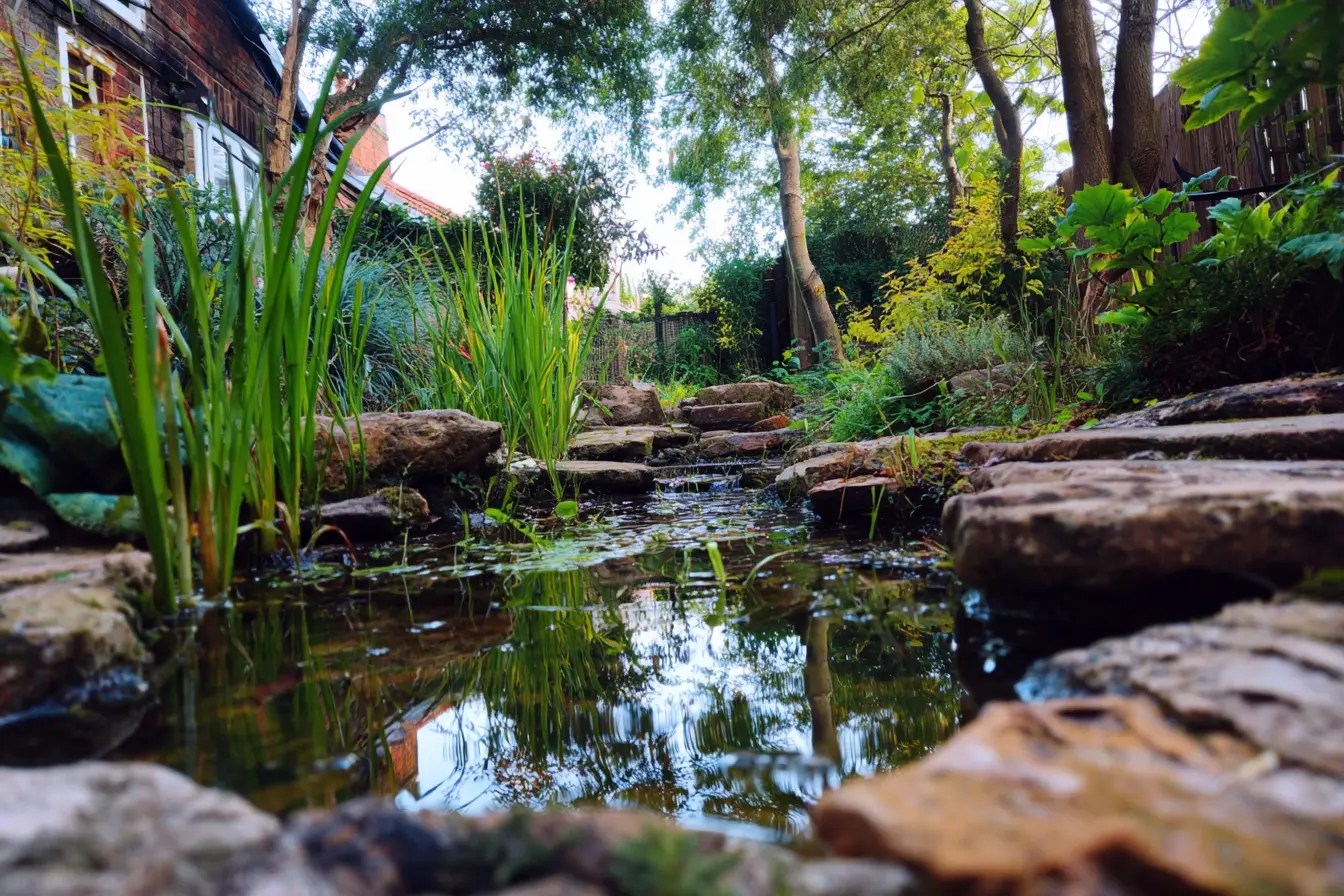
A natural pond is a wonderful way to bring a slice of the wild into your own garden. Unlike formal or ornamental ponds, a natural pond relies on ecological balance rather than technology. It mimics the ecosystems found in nature, using native plants, natural materials, and wildlife to create a thriving, self-sustaining water feature.
Whether you want to create a peaceful retreat, boost biodiversity, or simply reduce lawn maintenance, this guide will walk you through every step of setting up a natural pond.
What Is a Natural Pond?
A natural pond is a self-regulating aquatic habitat that supports a wide range of plants, insects, amphibians, and birds. It usually contains no artificial filtration, pumps, or introduced fish. Instead, it depends on a careful design and the right combination of native plants and animals to maintain water quality and biodiversity.
Why Choose a Natural Pond?
Natural ponds offer a wide range of benefits:
Promote native wildlife and biodiversity
Require minimal long-term maintenance
Do not require electricity or mechanical filtration
Blend seamlessly into wild or cottage-style gardens
Improve drainage and capture rainwater
Planning Your Natural Pond
Selecting a Suitable Location
Sunlight: Choose a spot that receives 4–6 hours of sunlight per day. Partial shade is fine, but deep shade will limit plant growth.
Shelter: Avoid overly exposed areas where wind can increase evaporation.
Avoid trees: Falling leaves can decompose and lead to excess nutrients, causing algae issues.
Level ground: Helps prevent runoff carrying fertilisers or pollutants into the pond.
Sizing and Shaping
Size: Even a small natural pond (1–2 metres across) can support wildlife. Larger ponds allow for greater diversity.
Depth: Aim for a maximum depth of 50–60 cm. Include varied depths and shallow shelves.
Shape: Irregular, organic shapes look more natural and offer more habitat diversity.
Soil and Drainage Considerations
Natural ponds work best in heavy clay soils, which help retain water. If your soil is sandy or free-draining, you’ll likely need a pond liner to hold water.
Materials and Tools You’ll Need
Pond liner (if not using clay soil)
Underlay (e.g., sand, old carpet)
Spade or digger
Wheelbarrow
Native aquatic plants
Rainwater (or tap water left to dechlorinate)
Rocks, logs, and gravel for landscaping
Building the Pond
Marking Out
Use a hosepipe or string to outline your pond shape. Include areas for:
Shallow shelves (10–20 cm deep) for marginal plants
Gently sloping sides so animals can safely enter and exit
Deeper middle section (40–60 cm) for overwintering creatures
Digging
Dig out the pond shape, creating layers or ledges at different depths. Pile the removed soil nearby to use in surrounding landscaping or to create a bog garden.
Lining the Pond
If your soil retains water well, you may not need a liner.
If using a liner, lay a protective underlay first to prevent punctures.
Drape the liner into the hole, press into shape, and trim the excess after filling.
Filling the Pond
Fill the pond with rainwater from a butt or collect it naturally over time. If using tap water, let it sit for at least 48 hours to allow chlorine to dissipate.
Allow the pond to settle for a week or two before planting.
Planting for a Balanced Ecosystem
Plants are the engine of a natural pond. They oxygenate the water, provide food and shelter, and help keep the water clean.
Recommended Native Plant Types
Submerged oxygenators: Hornwort, curled pondweed
Floating plants: Frogbit, water soldier, duckweed (sparingly)
Marginal plants: Marsh marigold, purple loosestrife, water mint, yellow flag iris
Bog plants (around the edges): Ragged robin, meadowsweet, marsh cinquefoil
Planting Tips
Use aquatic baskets or plant directly in gravel pockets.
Avoid using compost with fertilisers, use low-nutrient aquatic soil or washed gravel.
Don’t overplant. Leave space for wildlife to access the water.
Creating a Natural Edge
Design the pond margins to look as though the water meets the land seamlessly. You can use:
Rocks and pebbles: For amphibians and insects to shelter
Logs and driftwood: Provide basking spots and homes for creatures
Turf or grass edging: Helps soften the transition between pond and garden
Consider creating a bog garden area with retained moisture using pond run-off or overflow.
Attracting Wildlife
If you build it, they will come, usually quite quickly.
Frogs, toads, and newts may arrive in spring
Dragonflies and damselflies will hunt and breed near the water
Birds, bats, and bees will benefit from the water source and increased insect life
Hedgehogs and mammals may use the pond to drink
Avoid introducing fish, they eat larvae, tadpoles, and aquatic insects, reducing biodiversity.
Maintaining a Natural Pond
Once established, a natural pond is largely self-sustaining. A few basic tasks will help:
Remove excess leaves in autumn
Pull out excessive algae or blanketweed manually if needed
Thin out plants occasionally if they become too dominant
Top up with rainwater in dry periods
Avoid disturbing sediment, which holds beneficial bacteria
Never clean the pond completely, it can disrupt the ecosystem.
Common Mistakes to Avoid
Introducing ornamental fish like goldfish or koi
Using fertilisers or pesticides nearby
Adding tap water directly without dechlorinating
Over-clearing vegetation, especially in spring and summer
Overcomplicating the design, simple is often best for wildlife
Enhancing the Habitat
You can further boost biodiversity by:
Adding log piles nearby for amphibians and insects
Planting native wildflowers around the pond
Leaving leaf litter and deadwood for beetles and fungi
Installing a hedgehog corridor or wildlife tunnel
Final Thoughts
A natural pond is more than a water feature, it’s a living, breathing ecosystem. With a bit of planning and patience, your back garden can become a haven for wildlife and a peaceful sanctuary for you. Best of all, once the balance is established, your pond will largely look after itself.
So put the shovel to soil, harness the power of rainwater, and let nature do the rest.
Your garden will thank you, and so will the frogs, dragonflies, and birds.
Quick questions
- What should I know about natural pond?
- Learn how to create a natural pond in your garden for a self-sustaining, wildlife-friendly water feature. This guide covers everything from planning and building to planting native species and attracting wildlife. Vet Verified can help you compare UK veterinary practices by location, species, services and opening hours before you call.
- When should I contact a vet about natural pond?
- Contact a veterinary practice if your pet seems unwell, symptoms are getting worse, you are unsure what to do, or the situation may be urgent. Vet Verified helps you compare practice details, but a vet should advise on your pet's current care.
- Can Vet Verified help me find exotic vets?
- Yes. Use Vet Verified to compare exotic vets across the UK, then check practice profiles and call directly to confirm current availability.
Find a vet
Find a veterinary practice
Compare UK veterinary practices related to this topic. Call the practice to confirm its current services and availability.
Search by species
- Exotic vets Find UK veterinary practices that list care for exotic pets. Compare opening hours, services, facilities and verified profiles, then contact a practice directly.
- Bird vets Find UK veterinary practices that list care for birds. Compare opening hours, services, facilities and verified profiles, then contact a practice directly.