Section

Wild

Explore expert articles on wild animals with Vet Verified.

41 articles

Field Voles in the UK

Field Voles in the UK

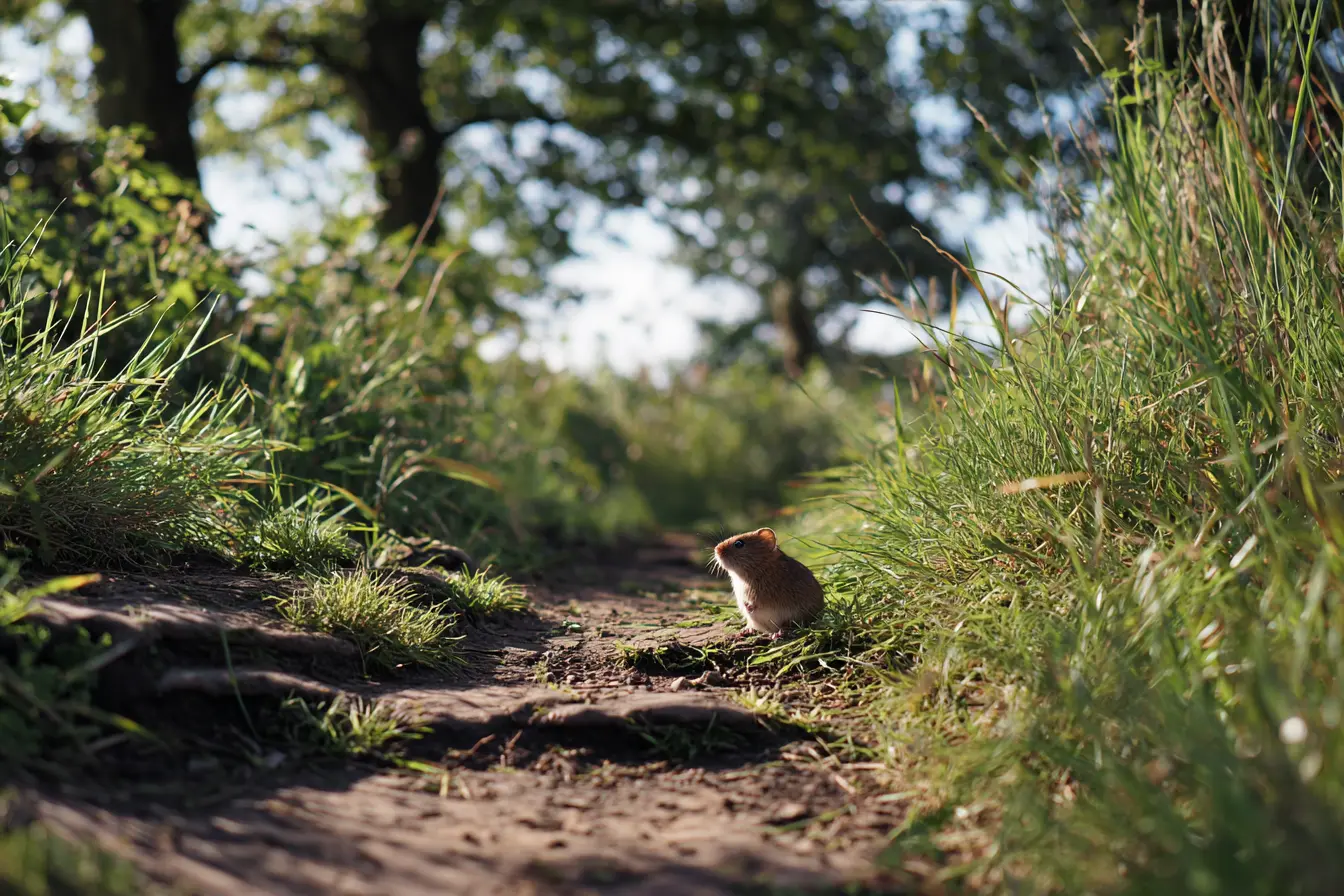
Field vole (Microtus agrestis) is a common small rodent in the UK and an important part of grassland life. It has a short tail, round face and coarse brown fur, and moves in runways through thick tussocky grass. Field voles eat grasses, sedges, herbs and sometimes bark in winter. They breed fast from March to October, with several litters and young that can breed at three to four weeks. Predators include barn owls, kestrels, foxes, stoats and grass snakes, so predator numbers often follow vole numbers. Look for winding grass runways, small round droppings, stems cut at a 45 degree angle and tiny burrow holes. Managing rough grassland, field margins and hedgerows helps keep vole numbers up and supports birds of prey and other wildlife.

More in Wild

  • Wild Geese You’ll Find in the UK

    Wild Geese You’ll Find in the UK

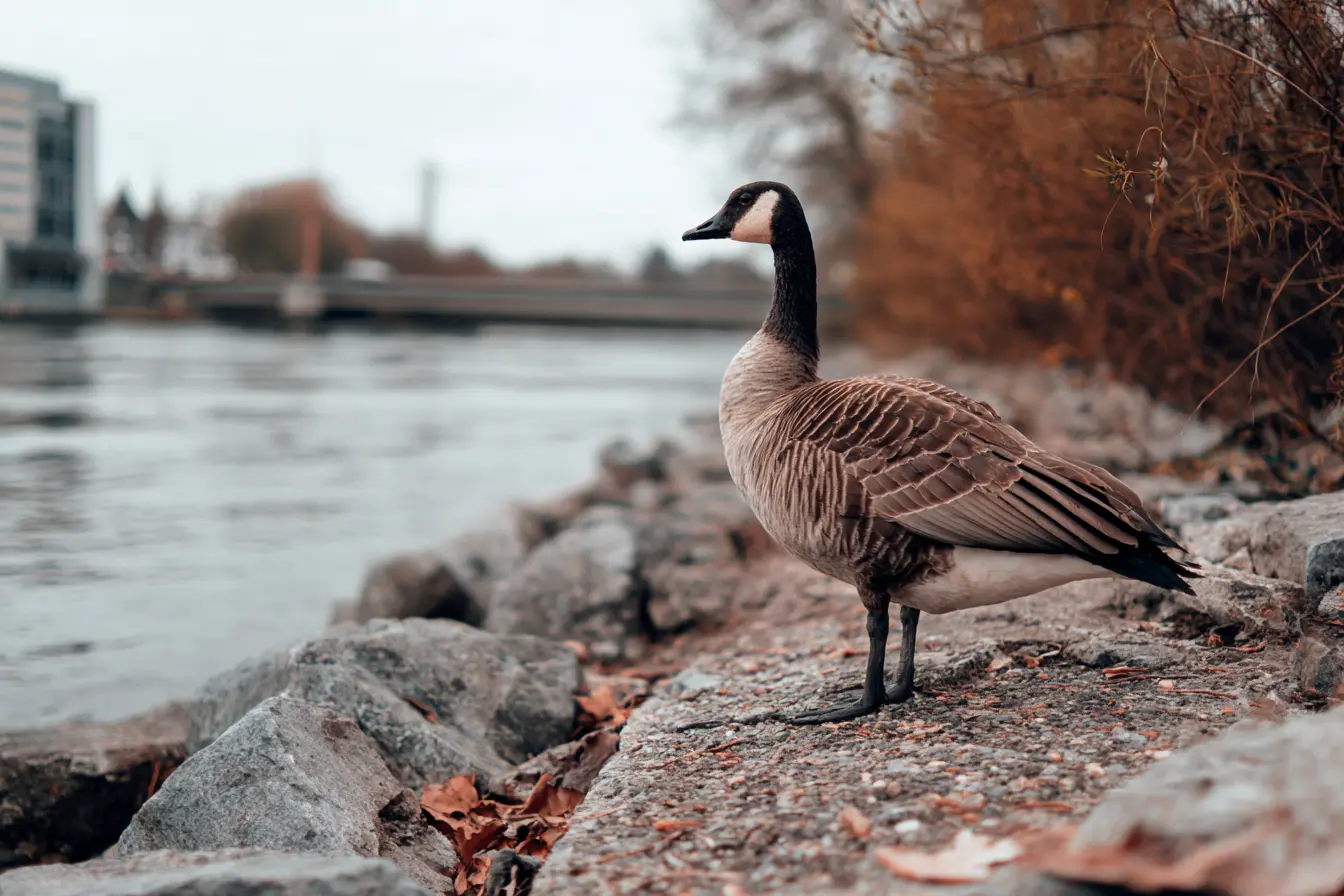
    Learn about the different types of geese you can see in the UK. Some, like the greylag and Canada goose, live here all year. Others, such as the barnacle and pink-footed goose, visit in winter. You can spot them in places like coastal estuaries, wetlands, and park lakes. Winter is a great time for birdwatching, especially in eastern and northern UK.

  • Wildfowl in the UK

    Wildfowl in the UK

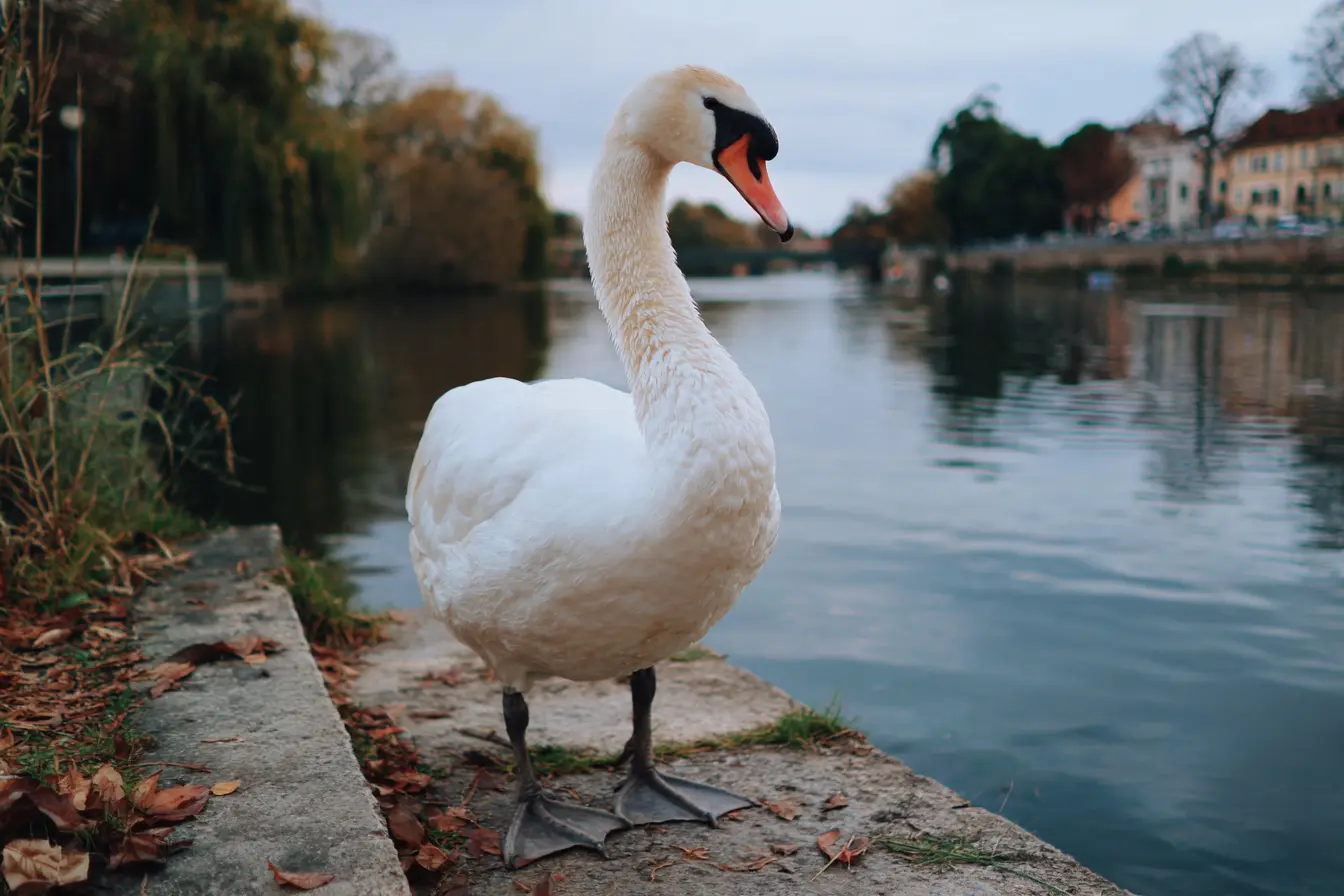
    Wildfowl in the UK include ducks, geese, and swans found in wetlands, rivers, and coastal areas. This blog discusses common species such as mallards, mute swans, and pink-footed geese, as well as their habitats, feeding habits, and seasonal movements. Wildfowl are indicators of environmental health, with their presence showing wetland ecosystems’ condition. Threats include habitat loss, climate change, and human disturbance. Conservation efforts focus on protected areas, wetland restoration, and international cooperation. Key sites to see wildfowl include Slimbridge WWT, Norfolk Broads, and the Ouse Washes.

  • Bats in the UK

    Bats in the UK

    Bats in the UK play a vital role in controlling insect populations and are found in various habitats, including woodlands, urban gardens, and buildings. This article covers the different species, such as the common pipistrelle and greater horseshoe, and their characteristics, behaviours, and habitats. Bats are protected by law, but face threats like habitat loss and light pollution. Conservation efforts include installing bat boxes and creating wildlife-friendly spaces. By safeguarding their roosts and habitats, we can support these important creatures and enjoy watching them in our local areas.

  • What Should You Do If You Find a Bird’s Nest?

    What Should You Do If You Find a Bird’s Nest?

    Finding a bird's nest in your garden is a lovely sign that birds feel safe there. In the UK, birds, their nests, and eggs are protected by law. If you find a nest, it's best to leave it alone and observe quietly from a distance. If the nest is in a tricky spot or has fallen, handle it carefully, preferably using gloves, and try to place it back as close to the original spot as possible. Avoid disturbing the nest, especially if it has eggs or chicks. If a nest is damaged, contact a local wildlife rescue for advice. Keep pets away from nesting areas to protect birds. After nesting season, old nests can remain to encourage future nesting, but always check for active nests before garden maintenance. By giving birds space and seeking help if needed, you support their safe hatching and growth.

The archive

Other sections