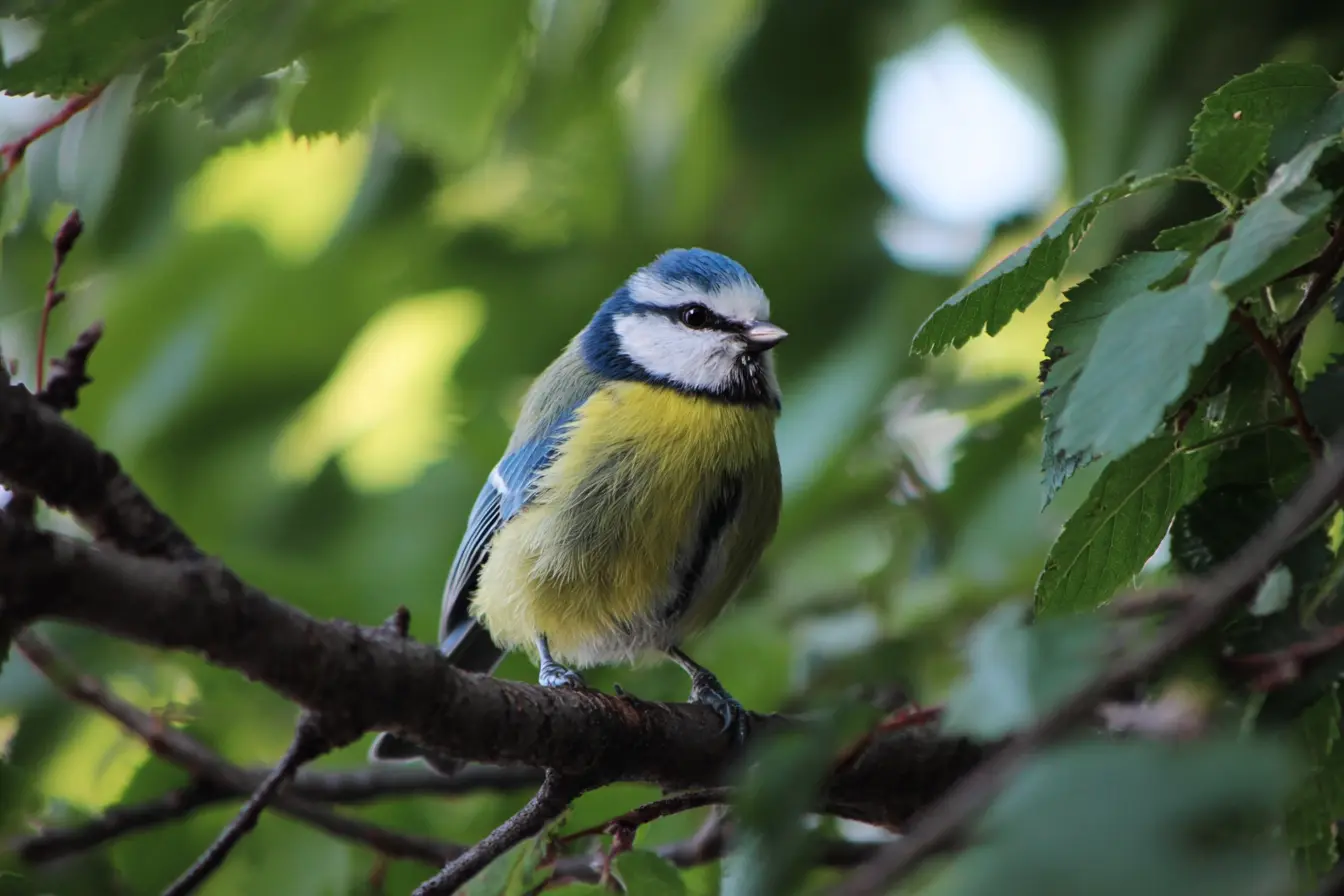
Each year, as spring approaches and daylight hours increase, bird nesting season begins across the UK. Gardens, hedgerows, trees and even buildings can quickly become home to active nests. While it is a welcome sign of wildlife thriving, it also brings important legal responsibilities, particularly for homeowners, landlords and anyone carrying out garden maintenance.
Understanding when nesting season occurs, what the law says, and how to manage your outdoor space responsibly will help protect wildlife and ensure you stay within the law.
When Is Bird Nesting Season in the UK?
Bird nesting season typically runs from March to August, although it can start earlier in mild weather and extend later depending on the species.
Peak activity usually occurs between April and July. During this period, birds may:
Build new nests
Lay eggs
Incubate eggs
Feed chicks
Raise fledglings
It’s important to remember that there is no fixed legal “season”, protection applies whenever a nest is active, regardless of the time of year.
What Does the Law Say?
In the UK, wild birds are protected under the Wildlife and Countryside Act 1981.
It is illegal to:
Intentionally damage or destroy an active bird’s nest
Take, damage or destroy eggs
Intentionally kill, injure or take a wild bird
Disturb certain protected species while nesting
An active nest is defined as one that is in use or being built. Even if you did not know a nest was present, you may still be liable if reasonable checks were not carried out before work began.
Some species, such as birds of prey, kingfishers and barn owls, have additional protection against disturbance.
What Counts as Disturbance?
Disturbance can include:
Cutting or removing hedges containing nests
Pruning trees with active nests
Demolishing structures with nesting birds inside
Using machinery that causes nest abandonment
If adult birds are flushed repeatedly or prevented from returning to their nest, this may be considered disturbance.
What This Means for Garden Maintenance
Nesting season has practical implications for routine garden work.
Hedge Cutting and Tree Pruning
Hedge trimming and tree pruning should ideally be carried out outside nesting season, typically between September and February.
If work must take place during spring or summer:
Inspect thoroughly for signs of nesting activity
Look for birds carrying nesting material or food
Listen for chirping or alarm calls
Check dense areas carefully
If you discover a nest, stop work immediately and leave the area undisturbed until the chicks have fledged.
Lawn Mowing and General Tidying
Ground-nesting birds sometimes build nests in long grass or dense vegetation. Before mowing overgrown areas, walk through slowly to check for nesting activity.
Strimming or clearing dense areas without inspection can inadvertently destroy hidden nests.
Climbing Plants and Structures
Birds frequently nest in:
Ivy
Climbing roses
Wisteria
Hanging baskets
Sheds and roof spaces
Take extra care when cutting back climbing plants or repairing structures during spring.
What If You Accidentally Disturb a Nest?
If you accidentally uncover a nest:
Stop work immediately
Leave the area
Allow the birds to return
Do not attempt to move the nest. Even well-meaning relocation can result in abandonment and may be illegal.
If a nest has fallen or been damaged unintentionally, contact a local wildlife rescue organisation for advice.
Special Considerations for Landlords and Contractors
Landlords, property managers and professional gardeners have a responsibility to ensure compliance with wildlife law. Before major clearance or development work during nesting season, ecological checks may be required.
In some cases, particularly for large-scale projects, a professional ecological survey may be necessary.
Failure to comply with wildlife legislation can result in fines or prosecution.
Supporting Birds in Your Garden
Nesting season is also an opportunity to actively support wildlife.
You can help by:
Leaving some areas of your garden slightly wild
Providing bird boxes
Installing water sources
Avoiding pesticide use
Planting native shrubs and trees
Creating a bird-friendly environment encourages biodiversity and contributes positively to local ecosystems.
When Is It Safe to Resume Work?
Once chicks have fledged and the nest is no longer active, garden work can resume. This is often a matter of weeks rather than months, depending on the species.
However, always check carefully before restarting any previously paused work.
Outside the main nesting period, generally autumn and winter, maintenance can usually proceed with lower risk, though it remains good practice to inspect first.
Conclusion
Bird nesting season in the UK is a vital time for wildlife and a period when legal protections are firmly in place. While it may require temporary adjustments to gardening plans, these measures help ensure birds can breed and raise their young safely.
By checking carefully before carrying out maintenance, postponing hedge cutting where necessary and understanding your legal responsibilities, you can protect wildlife while still managing your garden effectively. Sometimes, a short delay in tidying is a small price to pay for supporting the next generation of birds.
Quick questions
- What should I know about bird nesting season?
- Bird nesting season in the UK runs mainly from March to August, with peak activity between April and July. Vet Verified can help you compare UK veterinary practices by location, species, services and opening hours before you call.
- When should I contact a vet about bird nesting season?
- Contact a veterinary practice if your pet seems unwell, symptoms are getting worse, you are unsure what to do, or the situation may be urgent. Vet Verified helps you compare practice details, but a vet should advise on your pet's current care.
- Can Vet Verified help me find bird vets?
- Yes. Use Vet Verified to compare bird vets across the UK, then check practice profiles and call directly to confirm current availability.
Find a vet
Find a veterinary practice
Compare UK veterinary practices related to this topic. Call the practice to confirm its current services and availability.