Wildfowl are a diverse and fascinating group of birds associated with wetlands, rivers, lakes, estuaries, and coastal habitats. In the UK, wildfowl are an integral part of the landscape—especially in winter, when millions of birds arrive from colder northern climates to feed and rest in our relatively mild conditions.
The term "wildfowl" typically refers to ducks, geese and swans, both resident and migratory. This blog post explores the wildfowl of the UK, highlighting common species, habitats, seasonal movements, ecological importance, conservation efforts, and the best places to see them.
What Are Wildfowl?
Wildfowl are waterbirds belonging primarily to the family Anatidae, which includes ducks, geese and swans. These birds are well adapted to aquatic life, with webbed feet, waterproof plumage, and specialised bills for feeding in water-rich environments.
Some species are resident year-round in the UK, while others are migratory, travelling thousands of miles between breeding and wintering grounds.
Common UK Wildfowl Species
The UK is home to a wide variety of wildfowl, including native breeding birds and seasonal visitors from across Europe, Russia and Iceland.
Ducks
Mallard: The UK's most familiar duck, often found in parks, rivers and ponds. Males have glossy green heads; females are mottled brown.
Teal: Our smallest dabbling duck, with striking green and chestnut head markings on the males. Winters in large numbers.
Wigeon: Easily recognised by its whistling call and chestnut-and-cream colouring. Grazes on wet grassland in winter.
Shoveler: Known for its oversized spatula-shaped bill, used to filter food from water.
Pintail: Elegant ducks with long necks and pointed tails, often seen in flooded fields and estuaries.
Tufted duck: A diving duck with a distinctive tuft on its head and striking black-and-white plumage.
Geese
Canada goose: A large, honking resident goose with a black neck and white chinstrap. Introduced species.
Greylag goose: The UK's largest native goose, with an orange bill and pale grey body.
Pink-footed goose: A winter visitor from Iceland and Greenland. Large flocks roost on estuaries and feed inland.
Brent goose: Small, dark geese that winter along UK coasts, feeding on eelgrass and saltmarsh vegetation.
Barnacle goose: Compact, black-and-white geese that winter in northern Scotland and the Solway Firth.
Swans
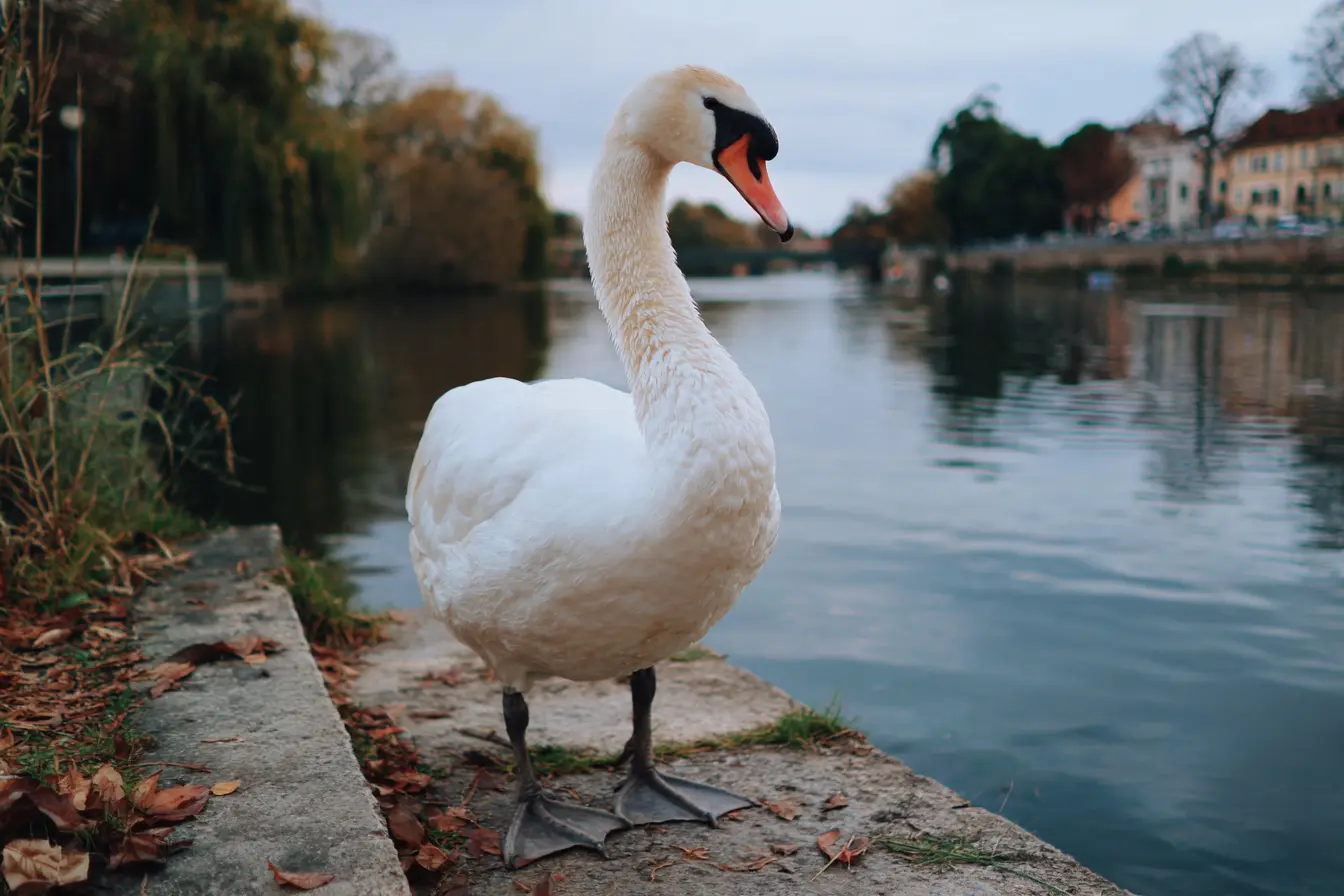
Mute swan: A large, elegant resident species with an orange bill and black knob. Often seen gliding on lakes and canals.
Whooper swan: A winter visitor from Iceland, with a bright yellow and black bill and a loud, trumpeting call.
Bewick’s swan: Similar to whoopers but smaller and with a shorter yellow bill patch. Declining and now rare in the UK.
Habitats and Seasonal Patterns
Wildfowl are closely associated with wetland habitats, which provide food, shelter and breeding grounds. Their seasonal movements are closely tied to water levels and climate.
Key habitats
Rivers and lakes
Marshes and reedbeds
Floodplain meadows and fens
Coastal estuaries and saltmarshes
Reservoirs and gravel pits
Seasonal patterns
Spring–Summer: Resident species such as mallards, greylag geese and mute swans breed and rear young in freshwater habitats.
Autumn–Winter: Huge numbers of wildfowl arrive from northern Europe, Scandinavia and Russia. Estuaries, wetlands and flooded meadows become vital refuges for feeding and roosting.
Feeding and Behaviour
Wildfowl have a range of feeding strategies suited to their habitat and bill shape.
Dabbling ducks (e.g. mallard, teal, wigeon) feed on the surface or tip forward to graze on aquatic plants and invertebrates.
Diving ducks (e.g. tufted duck, pochard) dive beneath the surface to catch underwater prey.
Geese graze on grasses, cereals and crops, often feeding in large flocks on farmland.
Swans feed on submerged vegetation and grasses in shallow water.
Many species form large flocks in winter, offering spectacular sights at dawn and dusk as they move between feeding and roosting sites.
Ecological Importance
Wildfowl play important roles in wetland ecosystems and are key indicators of environmental health.
Ecological roles
Disperse aquatic plants and nutrients
Help control aquatic insect and plant populations
Support predators such as foxes, raptors and otters
Provide insight into water quality and climate change through population monitoring
By grazing vegetation and disturbing sediments, they help shape wetland structure and dynamics.
Threats and Conservation
While many wildfowl species remain common, others are declining due to habitat loss, climate change and human disturbance.
Key threats
Wetland drainage and development
Agricultural intensification reducing feeding sites
Pollution from fertilisers and pesticides
Human disturbance from recreation and infrastructure
Lead poisoning from shotgun pellets
Climate-related changes in migratory patterns
Conservation efforts
Protected areas: Nature reserves, SSSIs and Ramsar sites provide vital habitats.
Wetland restoration: Projects to re-wet and rewild floodplains and fens.
Agri-environment schemes: Encourage farmers to manage land for wildlife.
International cooperation: Migratory birds are protected through agreements like AEWA (African-Eurasian Waterbird Agreement).
Monitoring: Surveys like the Wetland Bird Survey (WeBS) track population trends.
Organisations such as the RSPB, WWT, and local wildlife trusts are at the forefront of wildfowl conservation in the UK.
Where to See Wildfowl
The UK is one of the best places in Europe to watch wildfowl, especially in winter.
Top sites
Slimbridge WWT (Gloucestershire): A haven for swans, geese and ducks.
Norfolk Broads: Offers rich wintering grounds for wildfowl and waders.
Isle of Islay (Scotland): Home to thousands of barnacle and Greenland white-fronted geese.
Martin Mere WWT (Lancashire): Large winter flocks of whooper swans and pink-footed geese.
Ouse Washes (Cambridgeshire): Floodplain habitat hosting ducks, swans and raptors.
Estuaries such as the Dee, Humber, and Solway Firth: Internationally important wintering sites.
Bring binoculars, dress warmly, and be patient—you may be rewarded with magical close views and the sounds of flocks in flight.
Conclusion
Wildfowl bring drama, colour and sound to the UK’s wetlands and skies, especially in the winter months. From the honking skeins of pink-footed geese to the whistling wings of teal over a quiet marsh, they are a joy to watch and a reminder of the interconnectedness of our landscapes with the wider natural world.
By protecting wetland habitats and supporting conservation efforts, we can ensure that wildfowl continue to grace our shores, rivers and lakes for generations to come. Whether you’re a seasoned birder or a curious walker, the world of wildfowl is well worth exploring.
Quick questions
- What should I know about wildfowl?
- Wildfowl in the UK include ducks, geese, and swans found in wetlands, rivers, and coastal areas. Vet Verified can help you compare UK veterinary practices by location, species, services and opening hours before you call.
- When should I contact a vet about wildfowl?
- Contact a veterinary practice if your pet seems unwell, symptoms are getting worse, you are unsure what to do, or the situation may be urgent. Vet Verified helps you compare practice details, but a vet should advise on your pet's current care.
- Can Vet Verified help me find bird vets?
- Yes. Use Vet Verified to compare bird vets across the UK, then check practice profiles and call directly to confirm current availability.
Find a vet
Find a veterinary practice
Compare UK veterinary practices related to this topic. Call the practice to confirm its current services and availability.