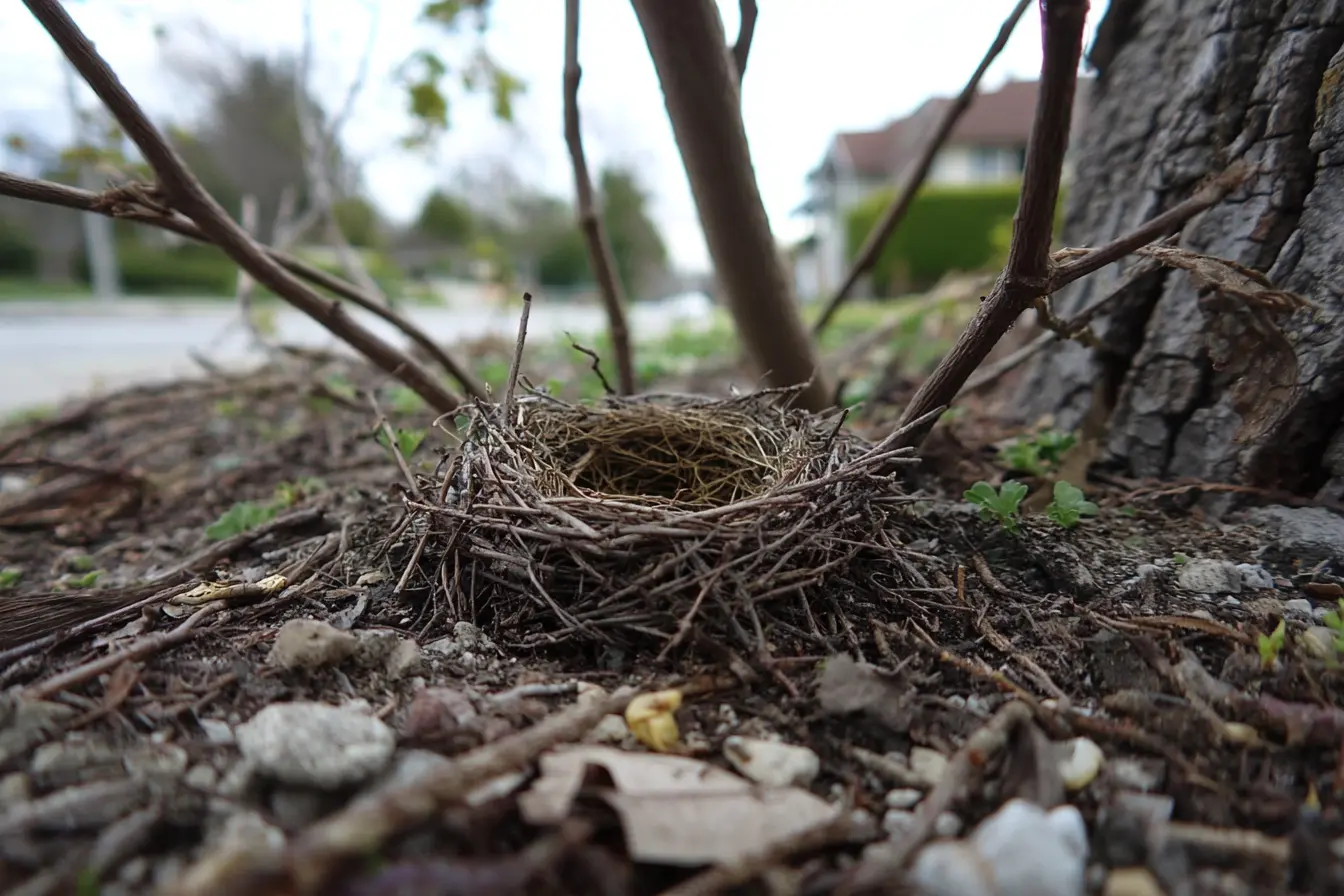
Finding a bird’s nest can be a lovely surprise, whether it’s tucked into a hedge, balanced on a fence post or hidden in a hanging basket. It’s a sign that your outdoor space feels safe enough for birds to raise their young. However, once you discover a nest, it’s important to respond carefully and responsibly.
In the UK, wild birds, their nests and their eggs are legally protected during the breeding season. Disturbing an active nest can cause harm and may also be against the law. Knowing what to do, especially if something has gone wrong, makes all the difference.
If You Find an Intact Nest
If the nest is in place and undisturbed, the best course of action is simple: leave it alone.
Avoid:
Touching or moving the nest
Trimming surrounding branches
Allowing children or pets to investigate
Repeatedly checking inside
Parent birds may temporarily leave if they sense activity nearby, but this does not mean the nest has been abandoned. In most cases, they will return once the area feels calm again.
If possible, observe from a distance and keep visits brief and quiet.
If the Nest Is in an Inconvenient Location
Birds sometimes build nests in unexpected places, such as:
Door wreaths
Hanging baskets
Garden sheds
Barbecue covers
Inside garages
Even if the location is awkward, you must not move an active nest that contains eggs or chicks.
Where practical:
Use an alternative entrance
Temporarily avoid the area
Delay maintenance or use until nesting is complete
Most small garden birds fledge within a few weeks, so disruption is usually short-lived.
If a Nest Has Fallen on to the Ground
Occasionally, nests fall due to strong winds, heavy rain, predators or accidental disturbance. What you should do depends on the situation.
If the Nest Contains Eggs or Very Young Chicks
If the fallen nest is intact and you can safely reach the original nesting spot, you may carefully place it back as close as possible to where it was.
Wear gloves if available
Handle gently and as little as possible
Secure the nest in a stable fork of branches or similar sheltered position
Contrary to popular myth, birds will not reject eggs or chicks simply because they have been touched by humans.
If the original spot cannot be reached, you can create a substitute support nearby, such as a small container (e.g. a margarine tub with drainage holes) secured firmly in the tree, and place the nest inside it. This should be done as quickly and quietly as possible.
Then move away and observe discreetly from a distance. If the parents are nearby, they will usually return.
If the Nest Is Damaged Beyond Repair
If the nest has been destroyed and eggs are broken, unfortunately there is little that can be done.
If live chicks are present but the nest cannot be safely restored, contact a local wildlife rescue organisation immediately for guidance. Do not attempt to raise the chicks yourself.
If the Chicks Are Feathered
If the chicks are mostly feathered, they may have been close to fledging. In this case:
Place them in a sheltered spot off the ground, such as in a low shrub
Keep pets and people away
Observe from a distance
Parents often continue feeding fledglings on the ground.
If You Find a Baby Bird on the Ground
Not all baby birds on the ground need rescuing.
Featherless or sparsely feathered chicks may need help if they have clearly fallen from a visible nest.
Fully feathered fledglings are usually learning to fly and are still cared for by their parents.
If the bird is injured, cold or unresponsive, contact a wildlife rescue centre for advice.
Protecting Nests from Pets
If you have cats or dogs, you may need to manage access while birds are nesting or fledging.
Consider:
Supervising pets outdoors
Temporarily blocking access to the nesting area
Keeping cats indoors during early morning and evening
This reduces the risk to both nestlings and vulnerable fledglings.
After the Nesting Season
Once you are certain the nest is no longer active, it may be removed if necessary. However, many birds return to the same area year after year, so leaving old nests in place can sometimes encourage future nesting.
Outside of breeding season, typically autumn and winter, garden maintenance is less likely to disturb wildlife, though it is always wise to check carefully before cutting hedges or trees.
Conclusion
Finding a bird’s nest is a reminder that your garden provides shelter and safety for wildlife. In most cases, the best action is no action at all. If a nest has fallen, gentle and minimal intervention may help if done promptly and carefully.
By giving birds space, postponing disruptive work and seeking professional advice when needed, you can help ensure that eggs hatch safely and young birds have the best chance of survival. Sometimes, protecting wildlife simply means stepping back and allowing nature to continue undisturbed.
Quick questions
- What should I know about bird nests?
- Finding a bird's nest in your garden is a lovely sign that birds feel safe there. In the UK, birds, their nests, and eggs are protected by law. If you find a nest, it's best to leave it alone and observe quietly from a distance. Vet Verified can help you compare UK veterinary practices by location, species, services and opening hours before you call.
- When should I contact a vet about bird nests?
- Contact a veterinary practice if your pet seems unwell, symptoms are getting worse, you are unsure what to do, or the situation may be urgent. Vet Verified helps you compare practice details, but a vet should advise on your pet's current care.
- Can Vet Verified help me find dog vets?
- Yes. Use Vet Verified to compare dog vets across the UK, then check practice profiles and call directly to confirm current availability.
Find a vet
Find a veterinary practice
Compare UK veterinary practices related to this topic. Call the practice to confirm its current services and availability.
Search by species
- Dog vets Find UK veterinary practices that list care for dogs. Compare opening hours, services, facilities and verified profiles, then contact a practice directly.
- Cat vets Find UK veterinary practices that list care for cats. Compare opening hours, services, facilities and verified profiles, then contact a practice directly.
- Bird vets Find UK veterinary practices that list care for birds. Compare opening hours, services, facilities and verified profiles, then contact a practice directly.