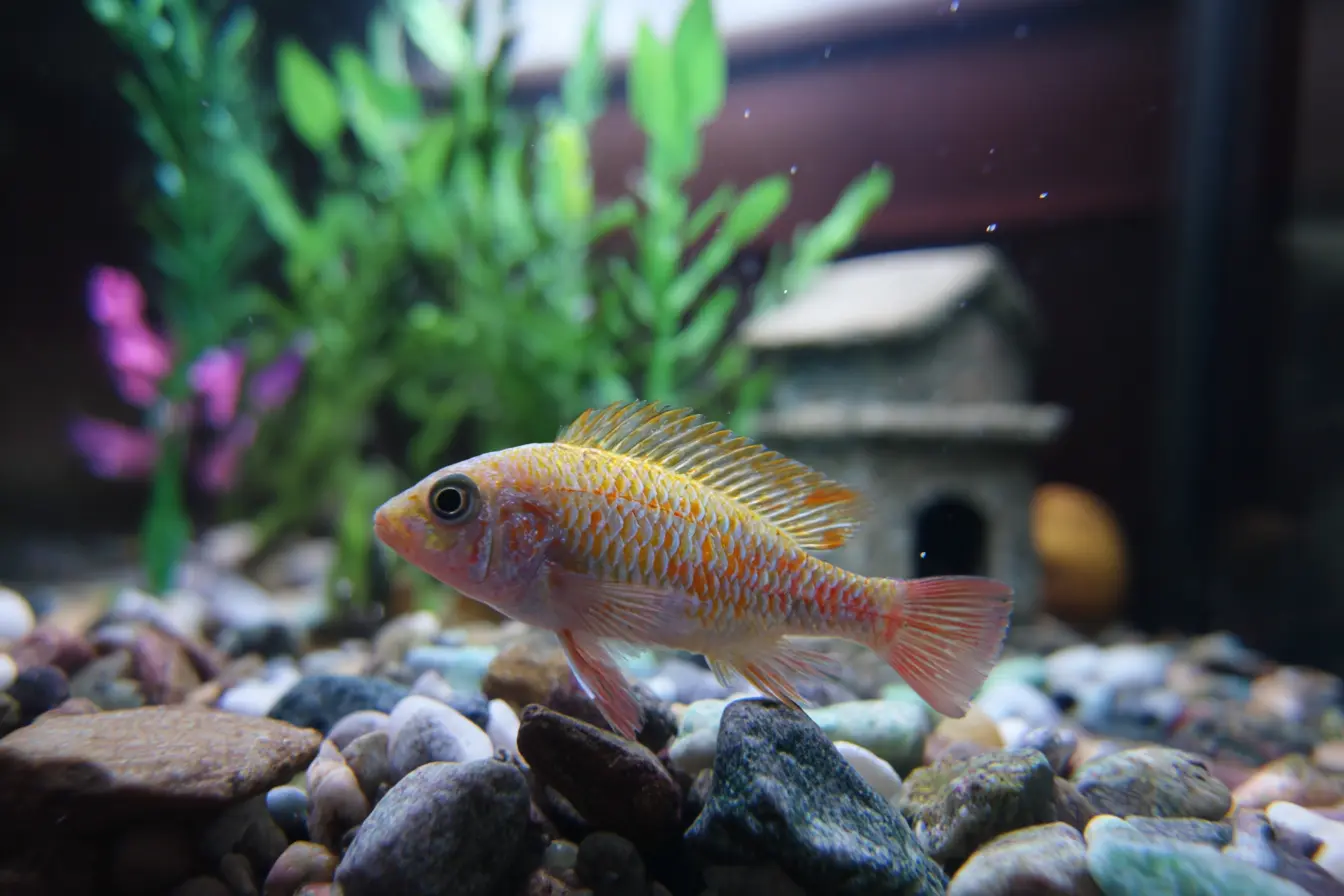
Fin rot is one of the most common health problems seen in aquarium fish, particularly in community tanks. While it often starts as a minor issue, fin rot can quickly worsen if the underlying cause is not addressed. With early intervention and good aquarium care, most cases can be treated successfully.
This guide explains how to recognise fin rot, what causes it, how to treat it effectively, and how to prevent it from returning.
What Is Fin Rot?
Fin rot is a bacterial infection that causes the fins and tail of a fish to deteriorate. It is usually caused by bacteria such as Aeromonas, Pseudomonas, or Vibrio species, which are naturally present in most aquariums.
Healthy fish are normally able to resist these bacteria, but stress, poor water quality, or injury can allow infection to take hold. Fin rot is more common in freshwater fish but can also occur in marine species.
Fin rot is not a single disease but a symptom of an underlying problem within the aquarium.
Signs of Fin Rot
The symptoms of fin rot can vary depending on how advanced the infection is. Look out for the following signs:
Frayed, ragged, or torn fins
Fins appearing shorter or “melting away”
White, milky, or darkened edges on fins
Redness or inflammation at the base of fins
Blackened fin tips (in some species)
Reduced activity or lethargy
Loss of appetite
In advanced cases, the infection can spread to the body, leading to ulcers or systemic illness.
Common Causes of Fin Rot
Fin rot almost always indicates an underlying issue in the aquarium. Common contributing factors include:
Poor water quality (ammonia or nitrite present)
Infrequent water changes
Overcrowding
Incompatible or aggressive tank mates
Physical damage from decor or fin nipping
Stress from sudden temperature or pH changes
Addressing these causes is just as important as treating the infection itself.
Treating Fin Rot in the Aquarium
Step 1: Test and Improve Water Quality
Good water quality is the most important part of treating fin rot.
Test for ammonia, nitrite, nitrate, and pH
Perform a 25–50% water change using dechlorinated water
Ensure the filter is functioning properly
Remove uneaten food and debris from the substrate
In mild cases, improving water quality alone may be enough to allow fins to heal naturally.
Step 2: Remove the Source of Stress or Injury
Identify and correct anything that may be damaging the fish’s fins:
Separate aggressive tank mates
Remove sharp decor or rough plastic plants
Reduce overcrowding if necessary
Healing will be slow or impossible if fins continue to be damaged.
Step 3: Consider a Quarantine Tank
If one fish is badly affected or bullying is occurring, move the fish to a hospital tank. This allows targeted treatment and reduces stress while protecting other fish.
Step 4: Use an Appropriate Treatment
If the fins continue to worsen or show signs of infection, medication may be required. Common treatments include:
Antibacterial aquarium medications
Treatments containing mild antiseptics
Broad-spectrum remedies designed for fin and body infections
Always:
Follow the manufacturer’s instructions carefully
Remove activated carbon from the filter before dosing
Complete the full course of treatment
Avoid using multiple medications at the same time unless specifically advised.
Step 5: Add Aquarium Salt (If Suitable)
For some freshwater species, aquarium salt can help reduce stress and inhibit bacterial growth.
Use only if the fish species tolerate salt
Dose carefully according to product guidelines
Do not use salt with sensitive species such as certain catfish or planted tanks without research
Step 6: Support Recovery
Maintain stable temperature and parameters
Feed high-quality, varied food
Avoid unnecessary handling or tank changes
Healthy fins often begin to regrow with clear or pale edges, which gradually regain colour.
How Long Does Fin Rot Take to Heal?
Mild fin rot may show improvement within a week once conditions improve. More severe cases can take several weeks for full fin regrowth, and some damage may be permanent if the infection reached the fin base.
Patience and consistency are key.
Preventing Fin Rot
Maintain Excellent Water Quality
Regular water changes and routine maintenance are the best defence against fin rot.
Quarantine New Fish
Always quarantine new fish for 2–4 weeks before adding them to your main tank to prevent the introduction of disease.
Choose Compatible Tank Mates
Avoid keeping fin-nipping or aggressive species with long-finned fish such as bettas or fancy guppies.
Avoid Overfeeding
Excess food degrades water quality. Feed small amounts and remove uneaten food promptly.
Monitor Fish Regularly
Early signs of fin damage are much easier to treat than advanced infections.
When to Seek Professional Advice
If:
The infection continues to worsen despite treatment
The body becomes infected
Multiple fish are affected
Sensitive or high-value species are involved
Consult an aquatic veterinarian or experienced aquarium specialist for further guidance.
Conclusion
Fin rot is common but preventable. It is often a warning sign that something in the aquarium needs attention. By improving water quality, reducing stress, and acting quickly when symptoms appear, most fish make a full recovery.
A well-maintained aquarium not only prevents fin rot but ensures healthier, more resilient fish, and a more enjoyable experience for you as their keeper.
Quick questions
- What should I know about fin rot?
- Fin rot is a common issue in aquarium fish, caused by bacteria affecting the fins and tail, often due to poor water quality or stress. Signs include frayed fins, colour changes, and reduced activity. Vet Verified can help you compare UK veterinary practices by location, species, services and opening hours before you call.
- When should I contact a vet about fin rot?
- Contact a veterinary practice if your pet seems unwell, symptoms are getting worse, you are unsure what to do, or the situation may be urgent. Vet Verified helps you compare practice details, but a vet should advise on your pet's current care.
- Can Vet Verified help me find a vet?
- Yes. Use Vet Verified to compare UK veterinary practices by location, species, services and opening hours, then call directly to confirm current availability.
Find a vet
Find a veterinary practice
Compare UK veterinary practices related to this topic. Call the practice to confirm its current services and availability.
Find a vet