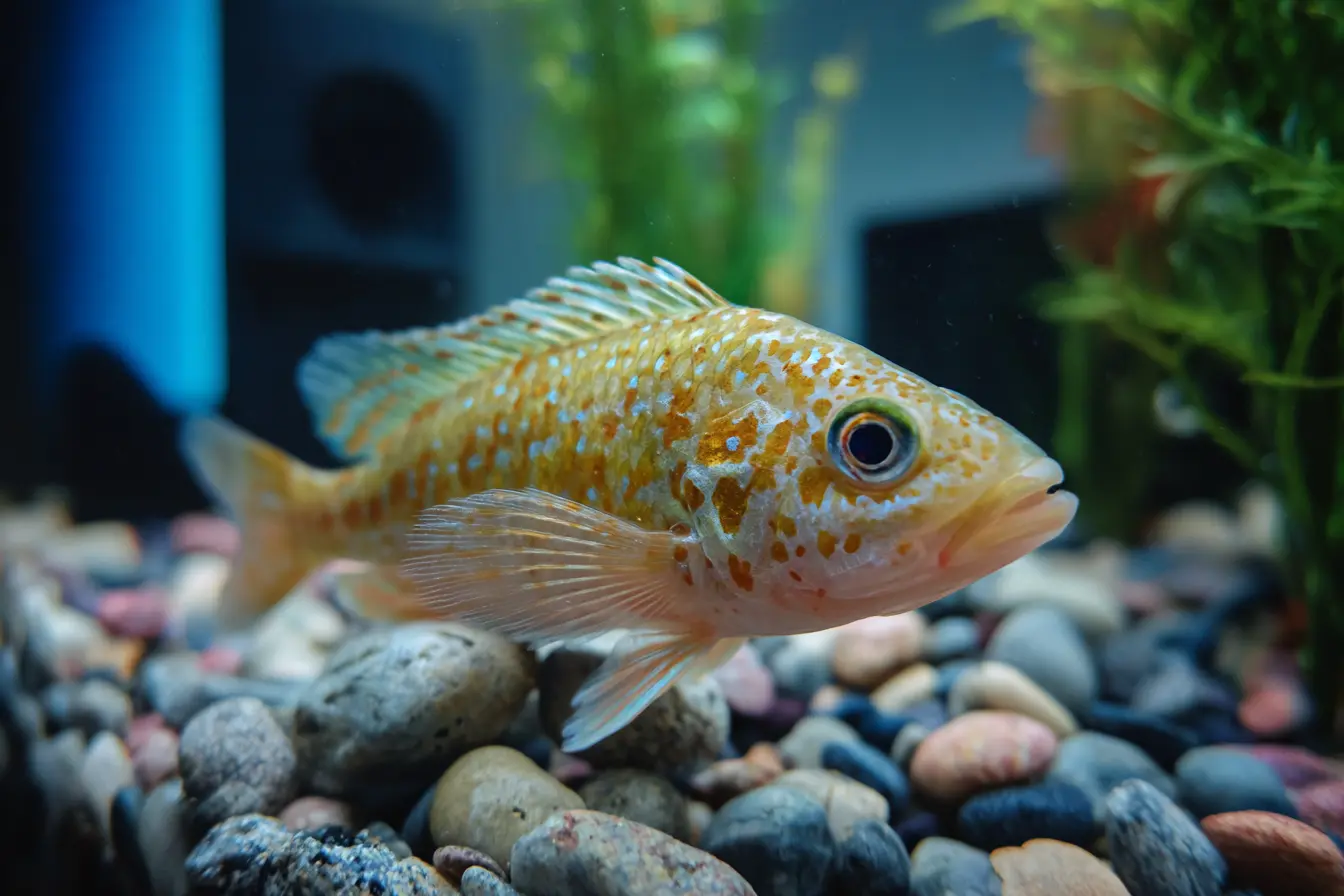
White spot disease is one of the most common and worrying conditions faced by aquarium owners in the UK. It can appear suddenly, spread rapidly, and if left untreated, can be fatal. The good news is that with early detection, correct treatment, and good aquarium management, white spot can usually be cured successfully.
This guide will help you identify white spot, understand what causes it, treat it effectively, and prevent future outbreaks.
What Is White Spot?
White spot disease, also known as Ich or Ichthyophthirius multifiliis, is caused by a microscopic parasite that attacks freshwater fish. The parasite embeds itself into the fish’s skin and gills, where it feeds and reproduces.
The disease gets its name from the distinctive white spots, similar to grains of salt, that appear on the fish’s body, fins, and gills.
White spot is extremely contagious and often appears after fish have been stressed, such as following:
The introduction of new fish
Sudden temperature changes
Poor water quality
Overcrowding
Signs of White Spot Disease
Early detection is crucial. Watch closely for the following symptoms:
Small white spots on the body, fins, or gills
Scratching or flicking against rocks, gravel, or decor
Rapid or laboured breathing
Lethargy or hiding more than usual
Loss of appetite
Dull or faded colours
In advanced cases, fish may become very weak, lie on the bottom of the tank, or die suddenly.
Understanding the White Spot Life Cycle
White spot is difficult to treat unless you understand its life cycle:
Trophont stage: The parasite is attached to the fish (visible as white spots). Treatments are ineffective at this stage.
Tomont stage: The parasite drops off the fish and forms a cyst on surfaces in the tank.
Theront stage: Hundreds of free-swimming parasites emerge and seek a host. This is the only stage where treatments work.
Successful treatment relies on targeting the parasite during its free-swimming stage.
Treating White Spot in the Aquarium
Step 1: Confirm the Diagnosis
White spot can sometimes be confused with fungal infections or velvet disease. True white spot looks like evenly sized grains of salt scattered across the fish.
If unsure, avoid mixing treatments and seek advice from an aquatic specialist.
Step 2: Increase the Water Temperature (If Suitable)
Gradually raise the aquarium temperature to 26–28°C (check your fish species’ tolerance first). Higher temperatures speed up the parasite’s life cycle, allowing treatments to work more quickly.
Increase temperature by no more than 1°C every 12 hours
Ensure adequate aeration, as warmer water holds less oxygen
Do not raise the temperature for coldwater fish or species that cannot tolerate warmer water.
Step 3: Use a White Spot Treatment
Use a commercially available white spot medication designed for aquarium fish. Common active ingredients include:
Malachite green
Formalin
Copper-based treatments (use with caution)
Always:
Remove activated carbon from the filter before dosing
Follow the manufacturer’s instructions exactly
Dose for the full recommended duration, even if spots disappear
Some fish (such as loaches, catfish, and invertebrates) are sensitive to certain medications so it is important to choose a treatment labelled as safe for them.
Step 4: Perform Regular Water Changes
Carry out partial water changes (10–25%) during treatment if advised by the medication instructions. Use dechlorinated water at the same temperature as the tank to avoid further stress.
Vacuum the substrate gently to remove parasite cysts where possible.
Step 5: Continue Treatment After Spots Disappear
Even when the white spots vanish, parasites may still be present in the tank. Continue treatment for at least 3–5 days after the last visible spot to ensure the entire life cycle is broken.
Treating Fish in a Quarantine Tank
If only a few fish are affected and you have a quarantine tank available:
Move infected fish carefully
Treat them separately
Monitor the main tank closely
However, because white spot parasites live in the aquarium environment, treating the entire tank is usually the safest option.
Preventing White Spot in the Future
Quarantine New Fish
Always quarantine new fish for 2–4 weeks before adding them to your main aquarium. This is the most effective way to prevent introducing white spot and other diseases.
Maintain Excellent Water Quality
Poor water conditions weaken fish immune systems. Ensure:
Regular water changes
Stable temperature
Proper filtration
Correct stocking levels
Test water parameters regularly, including ammonia, nitrite, nitrate, and pH.
Avoid Sudden Temperature Changes
Use a reliable heater and thermometer. Sudden drops in temperature are a common trigger for white spot outbreaks.
Reduce Stress
Stress makes fish more vulnerable to disease. Avoid overcrowding, aggressive tank mates, and excessive handling.
Clean Equipment Between Tanks
Nets, siphons, and decorations can transfer parasites between aquariums. Clean and dry equipment thoroughly after use.
When to Seek Professional Help
If:
Fish continue to worsen despite correct treatment
Multiple treatments have failed
Sensitive or high-value species are affected
Seek advice from an aquatic veterinarian or specialist aquarium retailer. Secondary infections may require additional treatment.
Conclusion
White spot can be alarming, but it is one of the most treatable fish diseases when caught early. Understanding the parasite’s life cycle, acting quickly, and maintaining good aquarium hygiene are the keys to success.
With proper care and prevention, your aquarium can remain healthy, stable, and free from white spot, giving both you and your fish peace of mind.
Quick questions
- What should I know about white spot disease?
- White spot disease is a common issue for UK aquarium owners, caused by a parasite attacking freshwater fish. Vet Verified can help you compare UK veterinary practices by location, species, services and opening hours before you call.
- When should I contact a vet about white spot disease?
- Contact a veterinary practice if your pet seems unwell, symptoms are getting worse, you are unsure what to do, or the situation may be urgent. Vet Verified helps you compare practice details, but a vet should advise on your pet's current care.
- Can Vet Verified help me find a vet?
- Yes. Use Vet Verified to compare UK veterinary practices by location, species, services and opening hours, then call directly to confirm current availability.
Find a vet
Find a veterinary practice
Compare UK veterinary practices related to this topic. Call the practice to confirm its current services and availability.
Find a vet