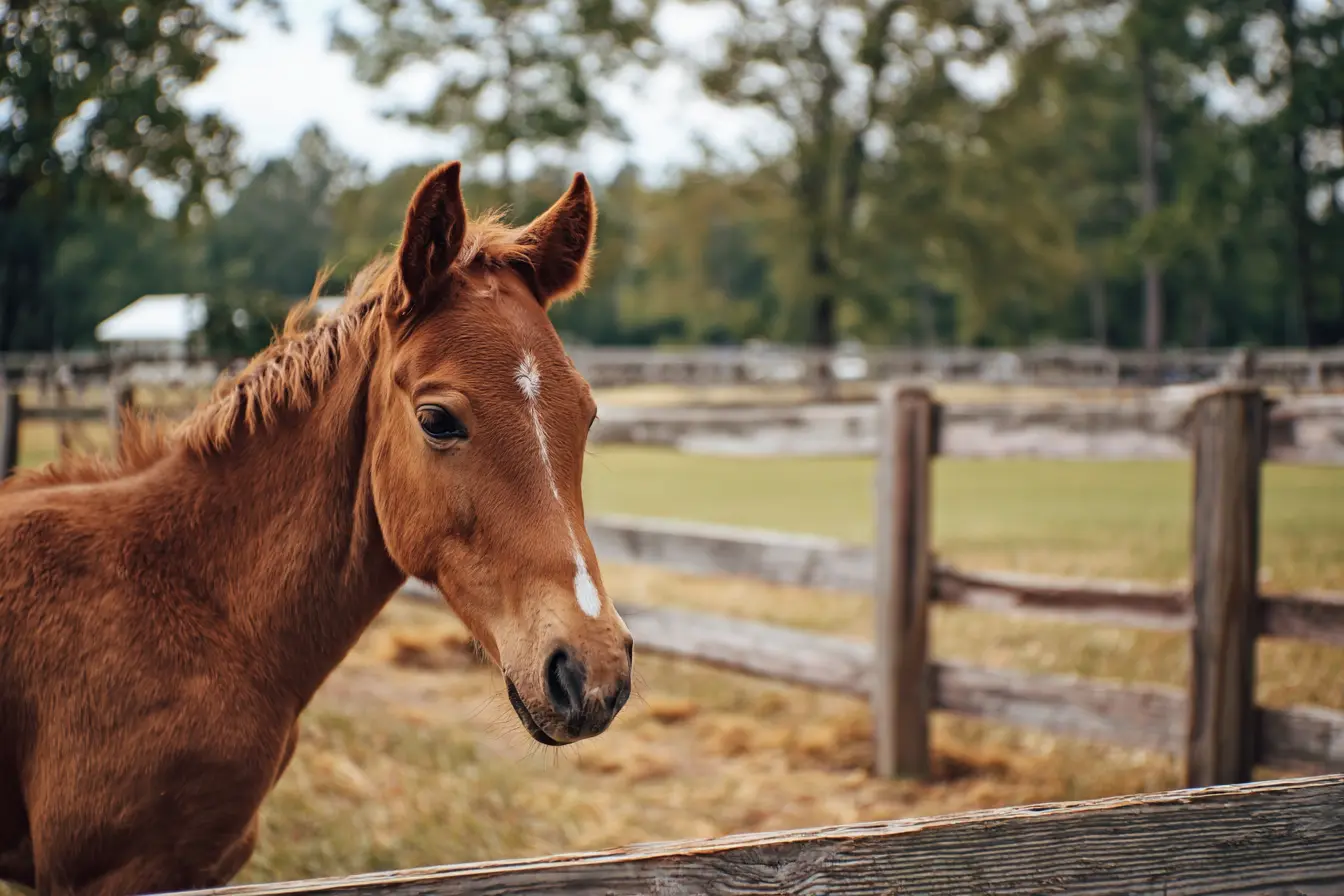
Training a colt is one of the most important stages in a horse’s life. A colt is a young male horse (typically under four years old) that has not yet been castrated. Early handling and training build the foundation for all future work, whether the colt is to become a riding horse, competition horse, or breeding stallion.
Because colts are young and full of energy, they need careful, consistent training from experienced handlers to develop into safe, well-mannered adults. This post explains everything you need to know about training a colt, including early handling, groundwork, socialisation, behaviour management, introducing tack, and preparing for ridden work.
Understanding Colt Behaviour
Colts are naturally curious, energetic, and playful. Their behaviour is shaped by hormones, environment, and handling.
They may test boundaries as they grow, especially during adolescence.
Testosterone can make some colts assertive or challenging, particularly around other horses.
They are quick learners but can develop bad habits just as quickly if not handled correctly.
Early positive experiences have a lasting effect on their confidence and behaviour.
Consistent, calm handling from the start is key to producing a safe, willing horse.
Starting Early: Foal Handling and Weanling Training
Training should begin gradually while the colt is still young and receptive.
Begin with gentle daily handling as a foal or weanling.
Teach him to wear a head collar and accept being caught and led.
Accustom him to being touched all over, groomed, and having his feet picked up.
Introduce him to tying up for short periods while supervised.
Keep sessions short, calm, and positive to build trust.
These early lessons make future training much easier and reduce stress later on.
Yearling Training: Building Basics
As the colt matures into a yearling, training can gently progress.
Practise leading confidently in hand at walk and trot.
Reinforce standing still, backing up, and yielding to pressure on the halter.
Introduce loading into a horsebox or trailer.
Get him used to wearing boots, rugs, and being handled by different people.
Continue regular grooming, farriery, and vet visits to build good manners.
This stage focuses on manners, confidence, and responsiveness without overloading him physically or mentally.
Introducing Groundwork and Lunge Training
As the colt approaches two years old, more structured groundwork can begin.
Introduce a bridle and long lines or a roller gradually.
Teach voice commands such as walk, trot, whoa, and stand.
Start lunging or long reining in short, gentle sessions to build coordination and focus.
Practise leading in new environments and over poles or obstacles.
Keep sessions brief and always end on a positive note. The aim is to teach him to listen and respond calmly, not to build fitness yet.
Managing Behaviour and Boundaries
Clear boundaries are essential when training a colt.
Never allow nipping, pushing, rearing, or kicking, even in play.
Correct unwanted behaviour calmly and consistently.
Avoid harsh punishment, which can cause fear or aggression.
Stay calm and confident. Young horses are sensitive to body language and mood.
Be consistent: what is allowed one day must be allowed every day.
Setting rules early prevents dangerous habits from developing.
Introducing Tack and Backing
If the colt will become a ridden horse, preparation for backing can start around the age of three (depending on breed and maturity).
Introduce a saddle and bridle slowly, allowing him time to get used to the feel.
Practise long reining with full tack to teach steering and stopping.
Have a lightweight, experienced rider sit on him quietly for the first time with a handler on the ground.
Progress gradually from walking in hand to being ridden at walk, then trot, and eventually canter.
Backing is a major milestone and should always be done slowly and carefully to avoid fear or injury.
Socialisation and Turnout
Colts need social contact and turnout for healthy development.
Turnout with other youngsters (colts or geldings) encourages natural behaviour and manners.
Avoid turning out with mares, especially as testosterone increases.
Provide regular turnout in safe, well-fenced paddocks to allow play and movement.
Social learning is as important as formal training in shaping a well-balanced horse.
Safety Considerations
Safety is vital when training a colt.
Always use safe, well-maintained facilities and strong fencing.
Wear gloves, boots, and a helmet when appropriate.
Keep training sessions short and focused to avoid frustration.
Have experienced help on hand during new or challenging exercises.
Maintain appropriate insurance, especially if the colt is kept on a shared yard.
Colts can be unpredictable, so planning and caution are essential.
Castration Considerations
Many colts are castrated (gelded) before or during their training.
Gelding is usually done between 6 and 18 months of age.
Castrated colts (geldings) are often calmer and easier to handle.
Discuss timing with your vet based on behaviour, development, and management circumstances.
Castration can make training safer and more straightforward for most owners.
Conclusion
Training a colt is a long-term commitment that shapes the horse’s future temperament and behaviour. Early, consistent handling builds trust and respect, while clear boundaries prevent problems from developing. By progressing gradually through groundwork, manners, and eventually backing, you can produce a confident, well-mannered horse ready for a successful career.
Quick questions
- What should I know about colt training?
- Learn how to train a colt with this simple guide. Start with early handling as a foal, including gentle grooming and teaching to wear a head collar. Progress to yearling training with basic commands and manners. Vet Verified can help you compare UK veterinary practices by location, species, services and opening hours before you call.
- When should I contact a vet about colt training?
- Contact a veterinary practice if your pet seems unwell, symptoms are getting worse, you are unsure what to do, or the situation may be urgent. Vet Verified helps you compare practice details, but a vet should advise on your pet's current care.
- Can Vet Verified help me find horse vets?
- Yes. Use Vet Verified to compare horse vets across the UK, then check practice profiles and call directly to confirm current availability.
Find a vet
Find a veterinary practice
Compare UK veterinary practices related to this topic. Call the practice to confirm its current services and availability.