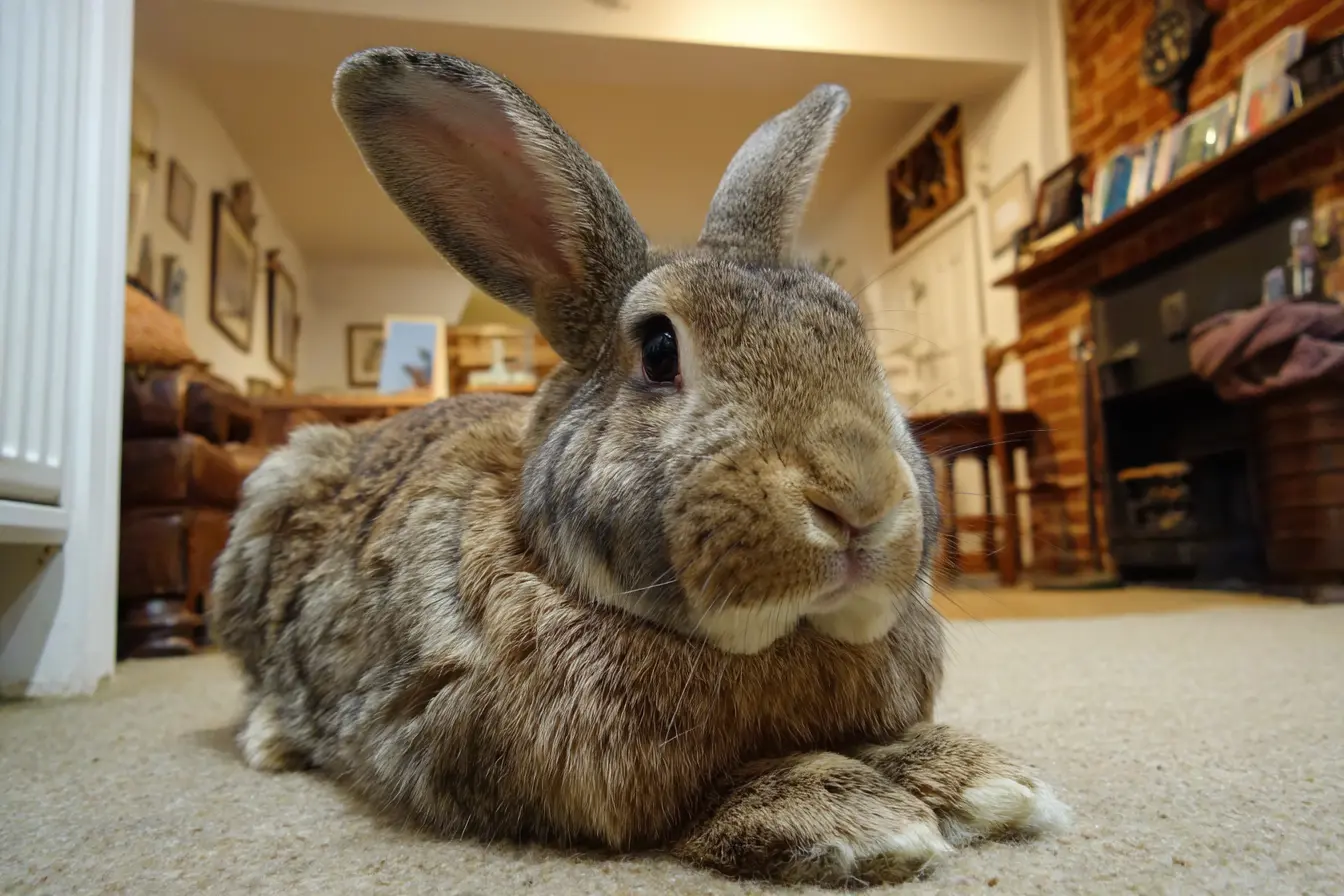
Giant rabbits are some of the most impressive and rewarding pets you can keep. With their calm personalities, gentle temperaments, and striking size, they have become increasingly popular among dedicated rabbit lovers in the UK. However, caring for a giant rabbit is very different from looking after a dwarf or medium-sized breed. Their needs are greater, their housing must be larger, and their healthcare and diet must be carefully managed.
This detailed guide covers everything you need to know about keeping giant rabbit breeds, from choosing the right breed and providing appropriate housing, to feeding, grooming, healthcare, behaviour, and long-term considerations.
What Are Giant Rabbit Breeds?
Giant rabbits are typically defined as breeds that weigh 6 kg (13 lb) or more, with some individuals reaching over 10–12 kg. They are known for their large frames, long ears, calm dispositions, and docile nature.
Common Giant Rabbit Breeds in the UK:
Continental Giant (Conti)
British Giant
Flemish Giant
Giant Papillon
French Lop (large but not technically a “giant”, often included due to size)
Giant Chinchilla
These breeds require specialised care and committed keepers, but they can be incredibly affectionate companions.
Key Characteristics of Giant Rabbits
Weight: 6–12+ kg depending on breed
Lifespan: 5–7 years on average (some live longer with excellent care)
Temperament: Gentle, calm, often described as “dog-like”
Appearance: Large body, powerful legs, long ears, and rapid early growth
Activity level: Surprisingly active and need significant space to stretch and binky
Giant rabbits grow quickly, reaching near-adult size by 6–9 months, yet they remain physically delicate early in life.
Housing Giant Rabbits
Giant rabbits require far more space than the average hutch or indoor cage can provide. Standard pet shop enclosures are too small.
Minimum Space Requirements
Outdoor Housing:
Indoor sleeping area: At least 7 ft x 3 ft (2.1 m x 0.9 m)
Permanent run: At least 10 ft x 6 ft (3 m x 1.8 m)
Total enclosure height: Minimum 3–4 ft to allow stretching and standing
Indoor Housing:
A rabbit-proofed room, or
A large pen measuring at least 10 ft x 6 ft, or
Free-roaming in a safe home
Essential Housing Features:
Solid, non-slip floors
Warm, insulated shelter (especially for outdoor rabbits)
A secure run with roof and predator-proof mesh
Platforms or raised areas strong enough for their weight
Adequate ventilation
Soft bedding like hay, straw, or fleece liners
Giant rabbits can easily injure themselves in cramped spaces so a roomy environment is essential for their physical and psychological wellbeing.
Exercise and Enrichment
Giant rabbits need daily exercise beyond their enclosure, ideally several hours per day.
Enrichment Ideas:
Large tunnels (cat or dog tunnels work well)
Heavy-duty chew toys
Dig boxes
Foraging toys
Platforms to climb
Secure outdoor time in a safe, enclosed garden
Social interaction with humans and other rabbits
They are curious animals that enjoy exploring, playing, and interacting.
Diet and Nutrition
Due to their size, giant rabbits have increased dietary needs but they should never be overfed pellets.
Core Diet Breakdown
1. Hay (80–90% of diet)
Unlimited hay at all times:
Timothy
Meadow
Orchard
Ryegrass
Oat hay (in moderation)
Hay maintains gut health, prevents obesity, and wears down teeth.
2. Fresh Greens
Offer 2–4 cups daily depending on size:
Spring greens
Kale
Romaine
Coriander
Parsley (sparingly)
Dandelion
Mint
Broccoli leaves (limited)
3. Pellets
Choose high-quality timothy-based pellets:
50–100 g per day maximum
(giants are prone to obesity; pellets should be limited)
4. Fresh Water
Provide multiple sources, especially for giants that drink heavily.
5. Treats (Occasional Only)
Small bits of carrot
Herbs
Strawberry tops
Apple slices
Avoid sugary or starchy treats.
Handling and Behaviour
Giant rabbits are usually calm, friendly, and enjoy human company.
Behaviour Traits:
Often described as “dog-like”
Enjoy being stroked but may dislike being picked up
Bond strongly with owners
Can be trained to use litter trays
Need companionship (ideally another rabbit)
Handling Safety
Due to their size, lifting must be very careful:
Support the chest and hindquarters
Avoid bending the spine
Keep sessions short if the rabbit dislikes handling
Poor handling can lead to spinal injuries, a significant risk for large breeds.
Grooming and Coat Care
Most giant breeds have short coats, but some (e.g., Giant Chinchilla) have denser fur.
Grooming Needs:
Weekly brushing (more during moults)
Nail trimming every 4–6 weeks
Regular checks for:
Matting
Urine scald
Sores
Fur mites
Flystrike in summer
Giant rabbits shed heavily twice a year and need extra grooming during these periods.
Health Concerns in Giant Rabbit Breeds
Giant breeds are prone to unique health challenges due to their rapid growth and heavy weight.
Common Health Issues:
Joint problems / arthritis
Sore hocks (pododermatitis)
Obesity
Heart problems
Dental issues
Gastrointestinal stasis
Flystrike in warm months
Respiratory infections
Spinal injuries (from incorrect handling or sudden movement)
Veterinary Care:
Annual vaccinations (myxomatosis, VHD1, VHD2)
Yearly or bi-yearly health checks
Weight monitoring
Specialist rabbit-savvy vets are essential
Owners must be prepared for potentially higher vet bills due to their size.
Social Needs of Giant Rabbits
Giant rabbits are highly social and thrive with companionship.
Ideal Companions:
Other giant rabbits
Large-medium breeds
Opposite-sex neutered pairs are most successful
Bonding should always be done slowly and safely.
Long-Term Care and Commitment
Keeping a giant rabbit is a long-term responsibility that requires space, time, and financial readiness.
Before Adopting a Giant Rabbit, Consider:
Do you have space for a huge enclosure?
Are you prepared for high food and bedding costs?
Can you physically handle a large rabbit safely?
Do you have a rabbit-savvy vet nearby?
Are you able to provide daily enrichment and exercise?
Giant rabbits are rewarding but not low-maintenance.
Cost of Keeping Giant Rabbits
Giant rabbits are more expensive to keep than smaller breeds.
Typical Costs:
Food: significantly higher hay and veg consumption
Bedding: more frequent changes
Vet care: larger doses and specialist needs
Housing: custom or extra-large enclosures
Toys and enrichment: heavy-duty and larger items
Being prepared for the financial commitment is essential.
Conclusion
Giant rabbit breeds are extraordinary companions; gentle, curious, and full of personality. Their impressive size makes them stand out, but it also brings a range of special care requirements that prospective owners must be ready to meet.
With spacious housing, a fibre-rich diet, regular veterinary care, and plenty of enrichment and companionship, giant rabbits can thrive and become affectionate, engaging pets.
For those willing to commit to their needs, a giant rabbit can be one of the most rewarding pets you’ll ever have; a gentle giant with a loving heart.
Quick questions
- What should I know about giant rabbits?
- Caring for giant rabbits requires dedication due to their unique needs. These impressive pets, popular in the UK, need spacious housing, a fibre-rich diet, and regular grooming and vet care. Vet Verified can help you compare UK veterinary practices by location, species, services and opening hours before you call.
- When should I contact a vet about giant rabbits?
- Contact a veterinary practice if your pet seems unwell, symptoms are getting worse, you are unsure what to do, or the situation may be urgent. Vet Verified helps you compare practice details, but a vet should advise on your pet's current care.
- Can Vet Verified help me find dog vets?
- Yes. Use Vet Verified to compare dog vets across the UK, then check practice profiles and call directly to confirm current availability.
Find a vet
Find a veterinary practice
Compare UK veterinary practices related to this topic. Call the practice to confirm its current services and availability.
Search by species
- Dog vets Find UK veterinary practices that list care for dogs. Compare opening hours, services, facilities and verified profiles, then contact a practice directly.
- Cat vets Find UK veterinary practices that list care for cats. Compare opening hours, services, facilities and verified profiles, then contact a practice directly.