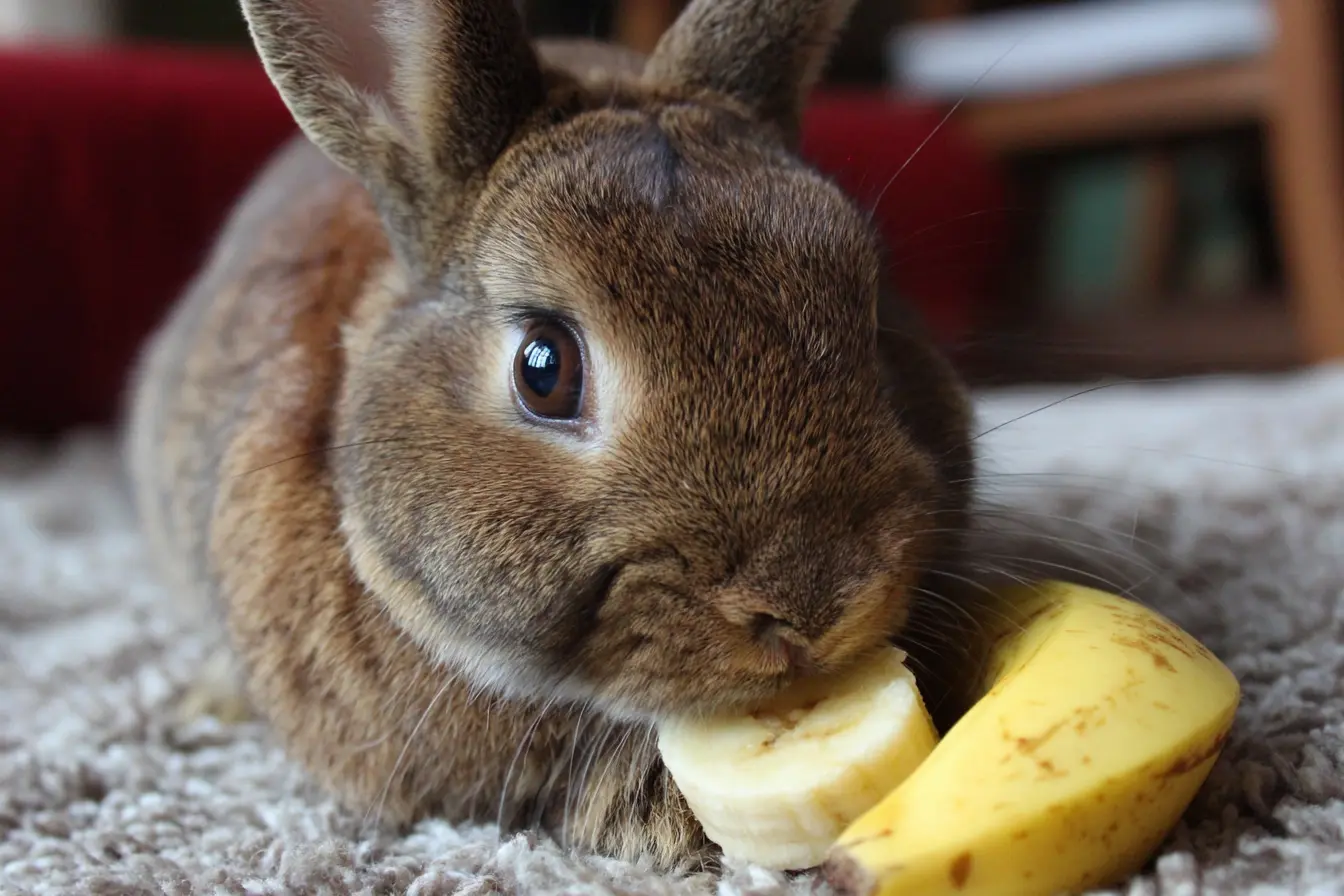
Fruit can be a delicious treat for rabbits; sweet, hydrating, and packed with vitamins. However, because fruit is naturally high in sugar, it must be fed sparingly, with the focus remaining on a diet of hay, leafy greens, and a small amount of pellets.
This guide explains exactly which fruits rabbits can eat, how to prepare them, how often they should be offered, and which fruits must be avoided.
Essential Rules Before Feeding Fruit to Rabbits
Fruit is a treat; not a daily food. Offer small portions 2–3 times per week at most.
Introduce slowly to avoid diarrhoea or digestive imbalance.
Always wash fruit thoroughly to remove pesticides.
Remove pits, stones, seeds, and tough skins unless stated safe.
Monitor droppings for soft stools as this means the fruit offered was too much or too rich.
Never feed fruit to baby rabbits under 12 weeks old.
Safe Fruits for Rabbits
Apples
Benefits: Hydration, fibre, and vitamin C.
How to serve: Remove core and seeds (toxic); offer small slices.
Note: One small slice is enough for most rabbits.
Pears
Benefits: High in fibre and gentle on digestion.
How to serve: Remove seeds and core; cut into small cubes.
Caution: High natural sugar; limit strictly.
Bananas
Benefits: Potassium and natural sweetness.
How to serve: Thin slices only.
Warning: One of the highest-sugar fruits; very easy to overfeed.
Tip: Useful for disguising medication in tiny amounts.
Strawberries
Benefits: Hydrating, full of antioxidants.
How to serve: Washed, tops removed, sliced.
Note: Tops (leaves) are also safe in moderation.
Raspberries
Benefits: Low-sugar berry with fibre.
How to serve: Whole or halved.
Tip: One to two berries is a suitable portion.
Blueberries
Benefits: High in antioxidants.
How to serve: Washed and offered whole.
Note: Can stain fur around the mouth.
Blackberries
Benefits: Great source of fibre.
How to serve: Washed; offer 1–2 berries.
Caution: Sticky juice may cling to fur.
Grapes
Benefits: Hydrating and tasty.
How to serve: Cut in halves; seeds removed.
Caution: Very high in sugar; 1 grape per serving only.
Cherries (Flesh Only)
Benefits: Vitamin-rich treat.
How to serve: Remove pits and stems; offer flesh only.
Important: Pits contain cyanide so ensure none remain.
Mango
Benefits: Vitamin A and natural sweetness.
How to serve: Peel; remove stone; cut into small cubes.
Note: Sticky but popular with rabbits.
Pineapple
Benefits: Contains vitamin C and digestive enzymes.
How to serve: Fresh pineapple only; remove skin and core; offer small cubes.
Avoid: Canned pineapple in syrup.
Melon (Watermelon, Cantaloupe, Honeydew)
Benefits: Extremely hydrating.
How to serve: Flesh only; remove seeds and rind.
Tip: Great for hot weather but watch sugar levels.
Kiwi
Benefits: Vitamin C and fibre.
How to serve: Peel fuzzy skin; cut into small chunks.
Caution: High acidity may bother sensitive rabbits.
Papaya
Benefits: Excellent for digestion.
How to serve: Remove seeds; slice soft orange flesh.
Tip: Useful during mild digestive slowdowns (but not GI stasis).
Peach
Benefits: Hydrating and full of vitamin A.
How to serve: Remove the stone; offer small slices.
Avoid: Canned peaches which are full of added sugar.
Plum
Benefits: Soft and easy to chew.
How to serve: Remove the pit completely; cut into tiny pieces.
Caution: High sugar and can loosen stools so offer sparingly.
Apricot
Benefits: Vitamin-rich but sweet.
How to serve: Remove pit; cut flesh into very small pieces.
Note: Fresh apricots only.
Cranberries
Benefits: Antioxidants and tart flavour.
How to serve: Fresh or unsweetened dried cranberries (1–2 only).
Avoid: Sweetened dried cranberries and cranberry juice.
Figs
Benefits: Calcium and fibre.
How to serve: Fresh or dried (unsweetened).
Caution: Very sugary.
Dragon Fruit
Benefits: Hydrating and full of minerals.
How to serve: Scoop flesh; offer a teaspoon-sized portion.
Fun: Seeds are safe and easy for rabbits to chew.
Fruits Rabbits Can Eat Only With Caution
Tomatoes (Ripe Flesh Only)
Avoid: Leaves, stems, and green tomatoes. These are toxic.
Safe: A tiny piece of ripe red tomato flesh.
Caution: Acidic and watery; not ideal as a regular treat.
Dried Fruits
Very high in sugar so offer only the smallest amounts.
Avoid completely: Fruit coated in sugar, syrup, or preservatives.
Citrus Fruits (Oranges, Clementines, Lemons, Limes)
Safe in tiny amounts, but acidity may cause mouth irritation.
Offer only a small segment occasionally.
Fruits Rabbits Must Never Eat
Avocado
Contains persin, which is toxic to rabbits.
Avoid completely.
Rhubarb
Leaves and stalks contain toxic oxalates.
Never offer.
Fruit Seeds and Pits
Many contain cyanide compounds.
Avoid seeds from:
Apples
Pears
Apricots
Peaches
Cherries
Plums
Unripe or Mouldy Fruit
Toxic fungi and high starch content.
Always feed fresh, ripe fruit only.
How Much Fruit Should a Rabbit Eat?
A sensible guideline:
Adult rabbits: 1–2 tablespoons of mixed fruit, 2–3 times per week.
Overweight rabbits: Avoid fruit until weight is stable.
Baby rabbits: No fruit until over 12 weeks old.
Fruit should always remain a rare treat, not a substantial part of the diet.
A healthy rabbit diet should include:
90% hay (timothy, orchard, meadow, etc.)
A handful of leafy greens daily
A small amount of pellets
Fruit only as occasional enrichment
Fruit Portions by Rabbit Size
Small rabbits (under 1.5kg)
1 teaspoon of fruit per serving
Medium rabbits (1.5–2.5kg)
1 tablespoon per serving
Large rabbits (over 2.5kg)
Up to 2 tablespoons per serving
Signs Your Rabbit Has Had Too Much Fruit
Watch for:
Soft stools or diarrhoea
Excessive cecotropes
Lethargy
Reduced hay intake
Signs of tummy discomfort
If symptoms persist, remove fruit and consult a rabbit specialist vet.
Fun and Enriching Ways to Serve Fruit
Hide fruit pieces in hay for foraging.
Mix fruit with leafy greens for a varied “salad treat”.
Freeze tiny fruit cubes for warm summer days.
Use fruit for training — especially small pieces of strawberry or banana.
Conclusion
Fruit can be an enjoyable and enriching treat for rabbits when offered safely and in moderation. With this guidance, rabbit owners can confidently choose appropriate fruits, understand portion control, and avoid dangerous options like avocado and rhubarb.
Hay is the cornerstone of a healthy rabbit diet, fruit is simply the occasional sweet bonus.
Quick questions
- What should I know about rabbit fruit diet?
- Rabbits can enjoy fruit as an occasional treat, but it should never be a main part of their diet due to high sugar content. Safe options include apples, pears, and bananas, all prepared without seeds or pits. Vet Verified can help you compare UK veterinary practices by location, species, services and opening hours before you call.
- When should I contact a vet about rabbit fruit diet?
- Contact a veterinary practice if your pet seems unwell, symptoms are getting worse, you are unsure what to do, or the situation may be urgent. Vet Verified helps you compare practice details, but a vet should advise on your pet's current care.
- Can Vet Verified help me find a vet?
- Yes. Use Vet Verified to compare UK veterinary practices by location, species, services and opening hours, then call directly to confirm current availability.
Find a vet
Find a veterinary practice
Compare UK veterinary practices related to this topic. Call the practice to confirm its current services and availability.
Find a vet