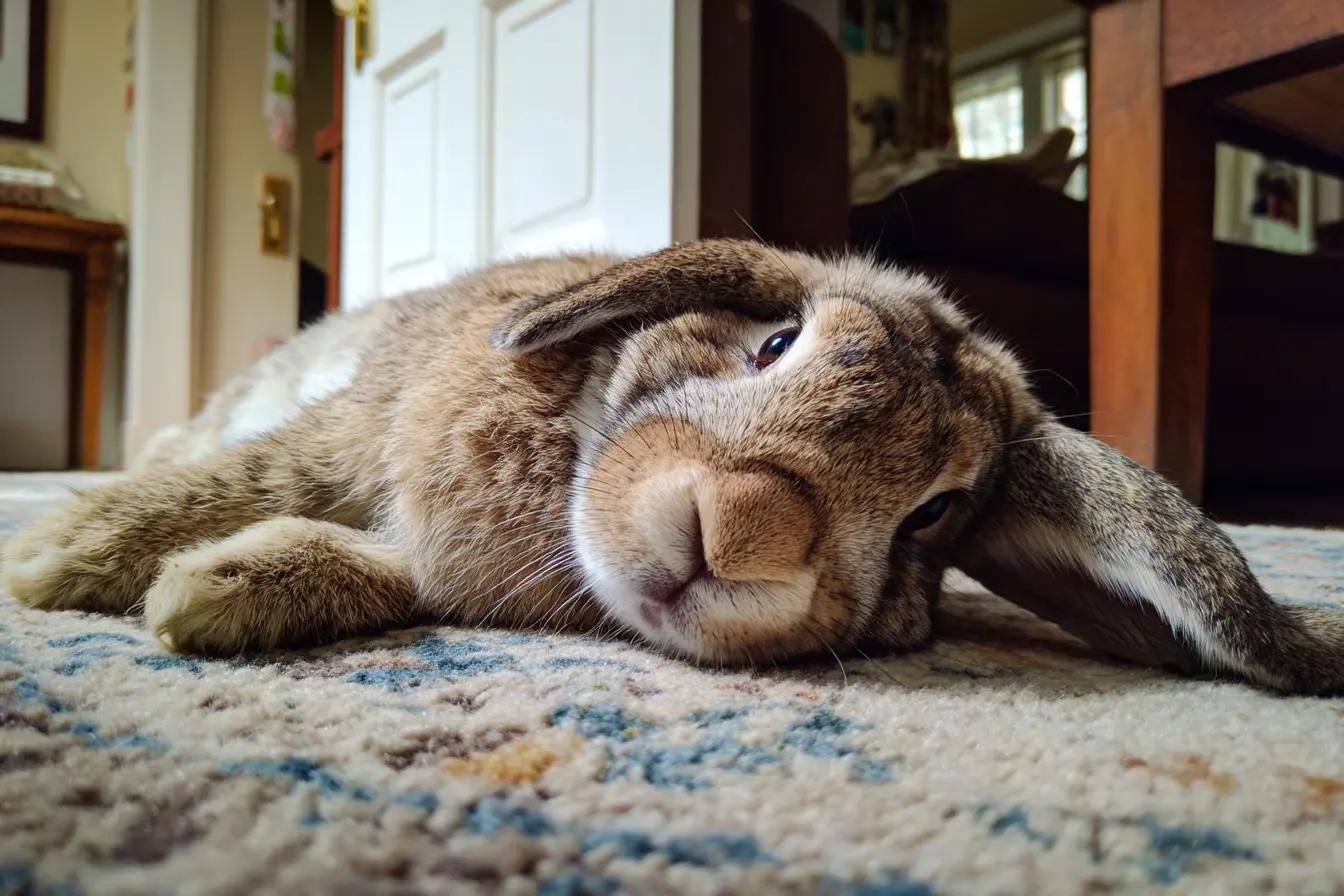
Gastrointestinal stasis, often called GI stasis, is one of the most serious and common medical emergencies in rabbits. It occurs when the digestive system slows down or stops moving completely. Because rabbits rely on a constant flow of fibre and gut movement to stay healthy, stasis can quickly become life-threatening if not treated promptly.
Understanding what causes GI stasis, how to recognise it early, and how to prevent it is essential for every rabbit owner.
What Gastrointestinal Stasis Is
GI stasis happens when the normal movement of food through a rabbit’s digestive tract slows down or stops. When the gut stops moving, food and fur begin to ferment, causing gas buildup and pain. This pain causes the rabbit to eat less, which further slows the gut, creating a dangerous cycle.
Dehydration, gas, bacterial overgrowth, and toxin release can follow, making early intervention critical.
Rabbits Most at Risk
Any rabbit can develop GI stasis, but some are more susceptible.
Rabbits with poor diets, high stress levels, or limited exercise are more at risk. Long-haired breeds that ingest a lot of fur during moulting seasons may also be vulnerable. Rabbits with chronic dental problems, obesity, or mobility issues face additional challenges that increase stasis risk.
Causes of Gastrointestinal Stasis
GI stasis rarely has a single cause. It usually results from a combination of physical, dietary, and emotional factors.
Diet plays a major role. Low-fibre diets slow digestion, while high-sugar or starchy foods disrupt gut bacteria. Sudden dietary changes can also shock the digestive system.
Pain is another major trigger. Dental disease, arthritis, urinary infections, and injuries can cause enough discomfort to reduce appetite and movement, initiating stasis. Stress from environmental changes, loud noises, travel, or loss of a companion can also disturb gut function.
Dehydration thickens the contents of the stomach and intestines, making them harder to move. Reduced exercise limits gut motility and contributes to stasis, especially in indoor rabbits that don’t roam much.
Early Signs of Gastrointestinal Stasis
Recognising the earliest symptoms can save a rabbit’s life.
Common early signs include reduced appetite, refusal of favourite foods, small or misshapen droppings, fewer droppings than usual, lethargy, sitting hunched, hiding, grinding teeth (a sign of pain), a bloated or tight-feeling abdomen, and reduced grooming behaviour.
A rabbit that hasn’t eaten or produced droppings for even a few hours should be considered at risk of stasis.
Advanced Symptoms
When stasis progresses, symptoms become more severe.
These include complete lack of droppings, total refusal to eat, severe bloating, loud gut gurgles or complete silence, rapid breathing, dehydration, weakness, and collapse. At this stage, the condition is an emergency and requires immediate veterinary treatment.
Diagnosing GI Stasis
A veterinarian will diagnose stasis based on symptoms, physical examination, and sometimes imaging. They may feel a bloated or doughy abdomen. X-rays help determine whether the gut contains gas, blockages, or thickened material. Dental checks are often necessary, as underlying tooth issues are a frequent cause.
Blood tests may be used to assess hydration, organ function, and underlying disease.
Treatment Options
GI stasis always requires prompt treatment. Delaying care can significantly reduce survival chances.
Pain relief is essential. Stasis is extremely painful, and rabbits often show improvement once pain is controlled.
Fluid therapy is critical for rehydrating the gut contents. Subcutaneous or intravenous fluids help soften material in the intestines and stimulate movement.
Prokinetic medications (gut stimulants) may be prescribed to restart gut motility. These should only be used after a vet confirms there is no obstruction.
Syringe feeding keeps the gut supplied with fibre. Products such as recovery foods are commonly used to maintain energy levels.
Gas-relieving medication may be used in cases of severe bloating. Massaging the abdomen gently can also help relieve mild gas, but only if guided by a vet.
Treating underlying causes is important. Dental filings, pain control for arthritis, antibiotics for infections, or stress reduction may be necessary to prevent recurrence.
Supporting a Rabbit at Home During Recovery
Rabbits recovering from stasis need a calm, warm, and well-supported environment.
Encourage gentle movement to stimulate gut motility. Provide fresh hay, fragrant herbs, and favourite greens to tempt appetite. Avoid sugary fruits during early recovery, as they can worsen fermentation and gas.
Keep the rabbit hydrated with constant access to water. Some rabbits may prefer bowls over bottles when feeling unwell.
Provide soft, comfortable bedding. Pain and weakness can make a rabbit more prone to pressure sores or urine scalding.
Monitor droppings closely. Increasing droppings usually indicate recovery, while continued absence requires a return to the vet.
Preventing Gastrointestinal Stasis
Prevention focuses on proper diet, reducing stress, and supporting overall health.
A high-fibre diet is the most important preventive measure. Rabbits should have unlimited hay and only small amounts of pellets. Fresh greens provide hydration and variety. Avoid treats high in starch or sugar.
Regular grooming helps reduce fur ingestion, especially during moulting seasons. This is crucial for long-haired breeds.
Daily exercise encourages gut movement. Free-roaming time or a large run improves both physical and mental wellbeing.
Routine dental checks are essential, as many stasis cases stem from tooth pain. Senior rabbits or those with known dental issues may require more frequent examinations.
Reduce stress by maintaining a stable, calm environment. Avoid sudden temperature changes, loud noises, or abrupt changes in routine.
When GI Stasis Becomes an Emergency
A rabbit not eating or producing droppings for six hours should be seen by a vet as soon as possible. Immediate emergency care is required if the rabbit shows signs of collapse, severe pain, bloating, or rapid breathing.
Delay in treatment can lead to organ failure and death. Quick action often makes the difference between recovery and tragedy.
Long-Term Management
Some rabbits are prone to recurring stasis due to chronic conditions. These rabbits require personalised care plans. Routine monitoring of eating habits, droppings, hydration, and behaviour is essential.
Maintaining optimal gut health and addressing the root causes helps reduce recurrence. Consistency in diet and daily routine is particularly important for sensitive rabbits.
Conclusion
Gastrointestinal stasis is a serious and potentially life-threatening condition in rabbits, but with early detection, proper veterinary care, and supportive home management, many rabbits make a full recovery. A diet rich in hay, a clean and stress-free environment, regular grooming, and prompt attention to health changes play vital roles in prevention.
Understanding the signs and acting quickly can truly save a rabbit’s life. With attentive care and good daily habits, rabbits can enjoy strong digestive health and a comfortable, active life.
Quick questions
- What should I know about gastrointestinal stasis?
- Gastrointestinal stasis (GI stasis) is a common and serious health issue in rabbits, where their digestive system slows or stops. It is crucial for rabbit owners to know the signs and causes to act quickly. Vet Verified can help you compare UK veterinary practices by location, species, services and opening hours before you call.
- When should I contact a vet about gastrointestinal stasis?
- Contact a veterinary practice if your pet seems unwell, symptoms are getting worse, you are unsure what to do, or the situation may be urgent. Vet Verified helps you compare practice details, but a vet should advise on your pet's current care.
- Can Vet Verified help me find emergency vets?
- Yes. Use Vet Verified to compare emergency vets across the UK, then check practice profiles and call directly to confirm current availability.
Find a vet
Find a veterinary practice
Compare UK veterinary practices related to this topic. Call the practice to confirm its current services and availability.