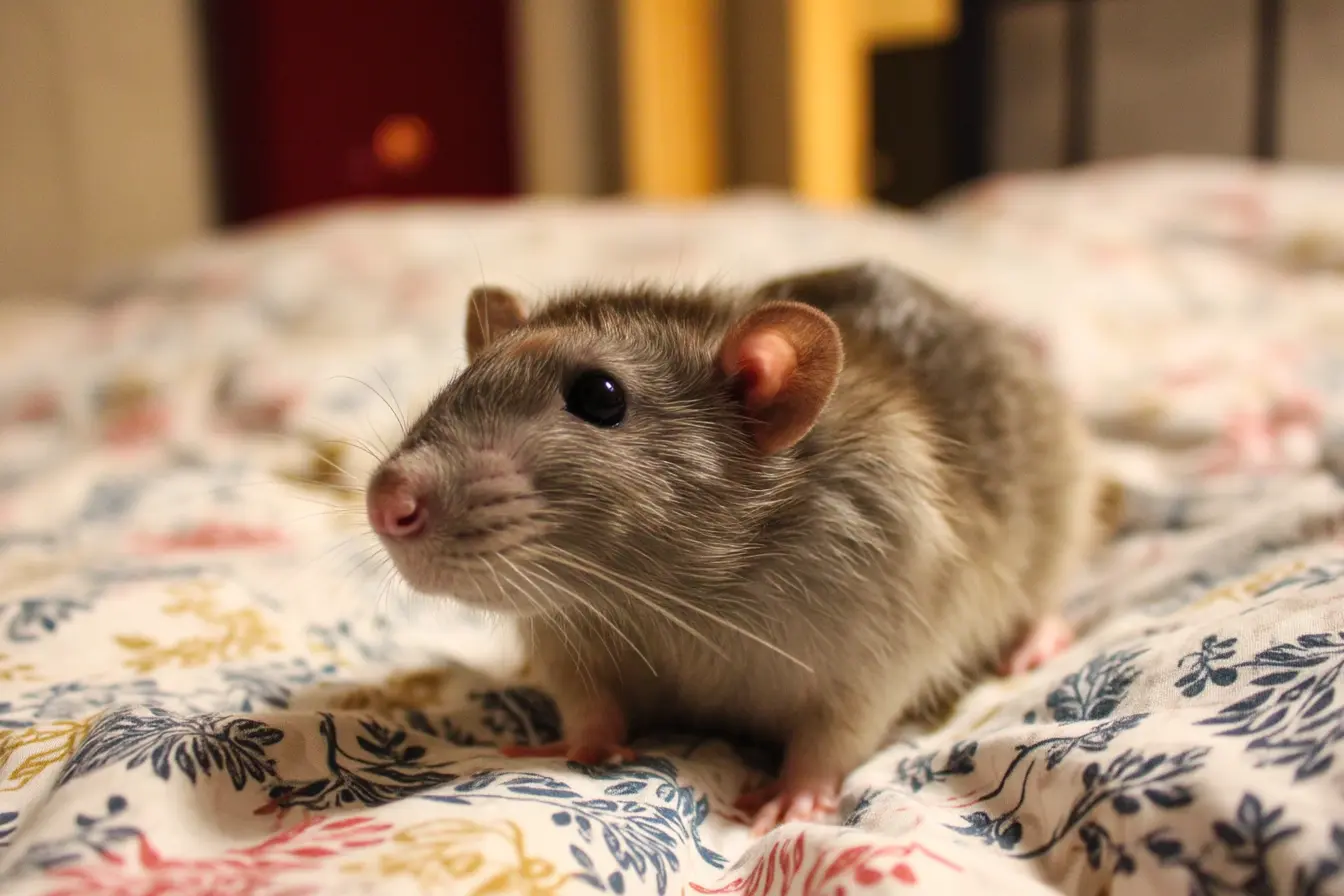
Harley rats are a rare and striking variety of fancy rat, easily recognised for their unusually long, soft coats. Their flowing fur gives them an appearance unlike most rats, making them a favourite among enthusiasts and breeders who value unique varieties. However, their long coats also mean they require extra care and attention compared to standard fancy rats.
In this post, we’ll explore everything you need to know about Harley rats, from their origins and appearance to their housing, diet, grooming, handling, health, and whether they might be the right pet for you.
What Are Harley Rats?
The Harley rat is a genetic variety of the domesticated fancy rat (Rattus norvegicus domestica). The “Harley” trait is caused by a recessive gene that produces long, soft, and sometimes slightly wavy hair. Unlike rex or bristle coat rats, whose fur changes texture, Harley rats are distinguished by the sheer length and flow of their coat.
Harley coats can appear in many different colours and markings, and the trait can also be combined with other varieties such as dumbo (large, low-set ears).
Because of the genetic rarity and additional grooming needs, Harley rats are less commonly seen in pet shops or rescues compared to standard fancy rats.
Key Characteristics
Size: 20–25 cm body length, with a tail of similar length
Weight: 250–700 g (females are typically lighter than males)
Lifespan: 2–3 years on average
Temperament: Intelligent, affectionate, curious, and social
Appearance: Long, flowing fur, often soft and fine in texture, available in many colours and markings
While their appearance is unique, their personality and behaviour are the same as any other fancy rat. They are friendly, playful, and deeply social.
Social Needs
Like all fancy rats, Harley rats are highly social animals and must be kept with companions. Keeping a rat alone is harmful to their wellbeing.
Social Structures:
Same-sex pairs or small groups are best for non-breeding households
Trios or larger groups provide richer social interaction
Harley rats can live with any other variety (standard, rex, dumbo, satin, etc.)
Companionship provides warmth, security, and opportunities for natural behaviours such as grooming, playing, and nesting.
Housing and Environment
Harley rats require the same type of housing as other fancy rats but with some special considerations due to their coats.
Cage Requirements:
Minimum size: 80 cm x 50 cm x 80 cm for a pair or trio (larger is always better)
Type: Multi-level wire cages with shelves, ramps, and hammocks; avoid aquariums due to poor airflow
Bar spacing: Maximum of 1.5 cm to prevent escapes
Bedding: Paper-based, hemp, or aspen; avoid aromatic woods like pine or cedar
Nesting material: Shredded paper or tissue (avoid cotton wool)
Enrichment: Hammocks, ropes, cardboard boxes, tunnels, chew toys, digging boxes, ladders, and solid-surface wheels
Special Considerations:
Cleanliness: Long fur can trap dirt, bedding, and droppings, so more frequent cage cleaning may be needed
Safety: Avoid rough or sharp cage accessories that could catch in their fur
Temperature: Harley coats are long but not particularly insulating, so avoid draughts and keep them in a stable room temperature (20–24°C)
Diet and Nutrition
Harley rats have no unique dietary needs, but a balanced, nutritious diet is crucial for keeping their fur and skin healthy.
Suggested Diet:
Staple diet: High-quality rat nuggets or lab blocks
Vegetables: Kale, broccoli, peas, courgette, cucumber, spinach, carrots
Fruits: Apples, pears, bananas, berries (sparingly due to sugar content)
Protein: Cooked chicken, egg, fish, tofu, or mealworms occasionally
Treats: Wholegrain pasta, oats, rice, or seeds in small amounts
Avoid: Citrus fruits (especially for males), chocolate, sticky foods, onions, raw beans, and processed junk foods
Fresh water must always be available in bottles or bowls. A nutritious diet supports coat health and reduces the chance of fur thinning or dryness.
Grooming Needs
Grooming is one of the most important aspects of Harley rat care. Their long coats are beautiful but can become tangled, dirty, or matted if not maintained properly.
Grooming Requirements:
Brushing: Use a soft-bristled brush or a small pet comb two to three times per week to keep the coat free of tangles. Long-haired males may require daily brushing.
Trimming: In rare cases, if the coat becomes excessively long or matted, a careful trim with blunt-nosed scissors may be necessary.
Bathing: Rats generally do not need baths and can be stressed by water. However, a gentle wipe with a damp cloth may be used to clean soiled fur. Baths should only be given when absolutely necessary and with warm water only.
Checking: Inspect the fur and skin regularly for signs of matting, parasites, or irritation.
Extra care in older rats: Senior Harleys may groom less effectively and will rely more on their owners to help maintain coat condition.
Grooming Frequency:
Routine care: Two to three brushing sessions per week is usually enough
Longer-haired individuals: Daily checks are advisable to prevent knots and dirt build-up
Shedding season: Although rats do not shed like cats or dogs, coat changes may require more frequent brushing
Good grooming habits not only keep the rat’s coat healthy but also provide bonding time between keeper and pet.
Handling and Behaviour
Harley rats are affectionate, curious, and interactive, much like other fancy rats. They enjoy human company and daily interaction.
Handling Tips:
Handle gently from a young age to build trust
Support their whole body when lifting
Provide safe, supervised out-of-cage play every day
Use grooming sessions as part of bonding time
Because of their long coats, Harley rats benefit from extra care during handling to ensure their fur does not snag or become dirty.
Unique Traits
Harley rats are notable for:
Long coats: Their most distinctive feature, soft and flowing
Wide variety: Found in many colours, markings, and ear types
Extra care needs: Regular brushing and coat checks are essential to prevent mats or dirt build-up
Their appearance makes them popular among enthusiasts, but the grooming commitment means they are not suitable for everyone.
Health and Common Issues
Harley rats can face the same health problems as other fancy rats, but their coats may create additional challenges.
Common Health Concerns:
Respiratory disease: Very common in all pet rats
Tumours: Mammary tumours are common, particularly in females
Fur maintenance: Long coats may become tangled, soiled, or matted
Parasites: Lice or mites may hide in long fur and should be monitored for
Overheating: Long coats may make them less comfortable in hot weather
Regular health checks and grooming are important, along with a clean cage and good nutrition.
Is a Harley Rat Right for You?
Harley rats are ideal for:
Enthusiasts who want a distinctive and unusual pet
Keepers willing to commit to grooming and extra cleaning
People seeking affectionate, intelligent, interactive pets
Families with older children who can handle pets gently
They are not recommended for:
First-time keepers who want low-maintenance rats
Homes with very young children
Anyone unable to commit to daily interaction, cage cleaning, and regular grooming
Conclusion
Harley rats are affectionate, intelligent, and social pets, with the added beauty of their long, flowing coats. While they share the same housing, diet, and social needs as all fancy rats, their fur requires regular grooming and extra cleaning to keep them healthy and comfortable.
For dedicated keepers who are willing to commit to brushing, coat checks, and a little more hands-on care, Harley rats offer both visual appeal and the same loving companionship that makes fancy rats such cherished pets.
Quick questions
- What should I know about harley rats?
- Harley rats are rare fancy rats known for their long, soft coats. They are highly social pets that must live with companions. Their coats require extra grooming, including regular brushing and coat checks. Vet Verified can help you compare UK veterinary practices by location, species, services and opening hours before you call.
- When should I contact a vet about harley rats?
- Contact a veterinary practice if your pet seems unwell, symptoms are getting worse, you are unsure what to do, or the situation may be urgent. Vet Verified helps you compare practice details, but a vet should advise on your pet's current care.
- Can Vet Verified help me find dog vets?
- Yes. Use Vet Verified to compare dog vets across the UK, then check practice profiles and call directly to confirm current availability.
Find a vet
Find a veterinary practice
Compare UK veterinary practices related to this topic. Call the practice to confirm its current services and availability.
Search by species
- Dog vets Find UK veterinary practices that list care for dogs. Compare opening hours, services, facilities and verified profiles, then contact a practice directly.
- Cat vets Find UK veterinary practices that list care for cats. Compare opening hours, services, facilities and verified profiles, then contact a practice directly.
- Bird vets Find UK veterinary practices that list care for birds. Compare opening hours, services, facilities and verified profiles, then contact a practice directly.