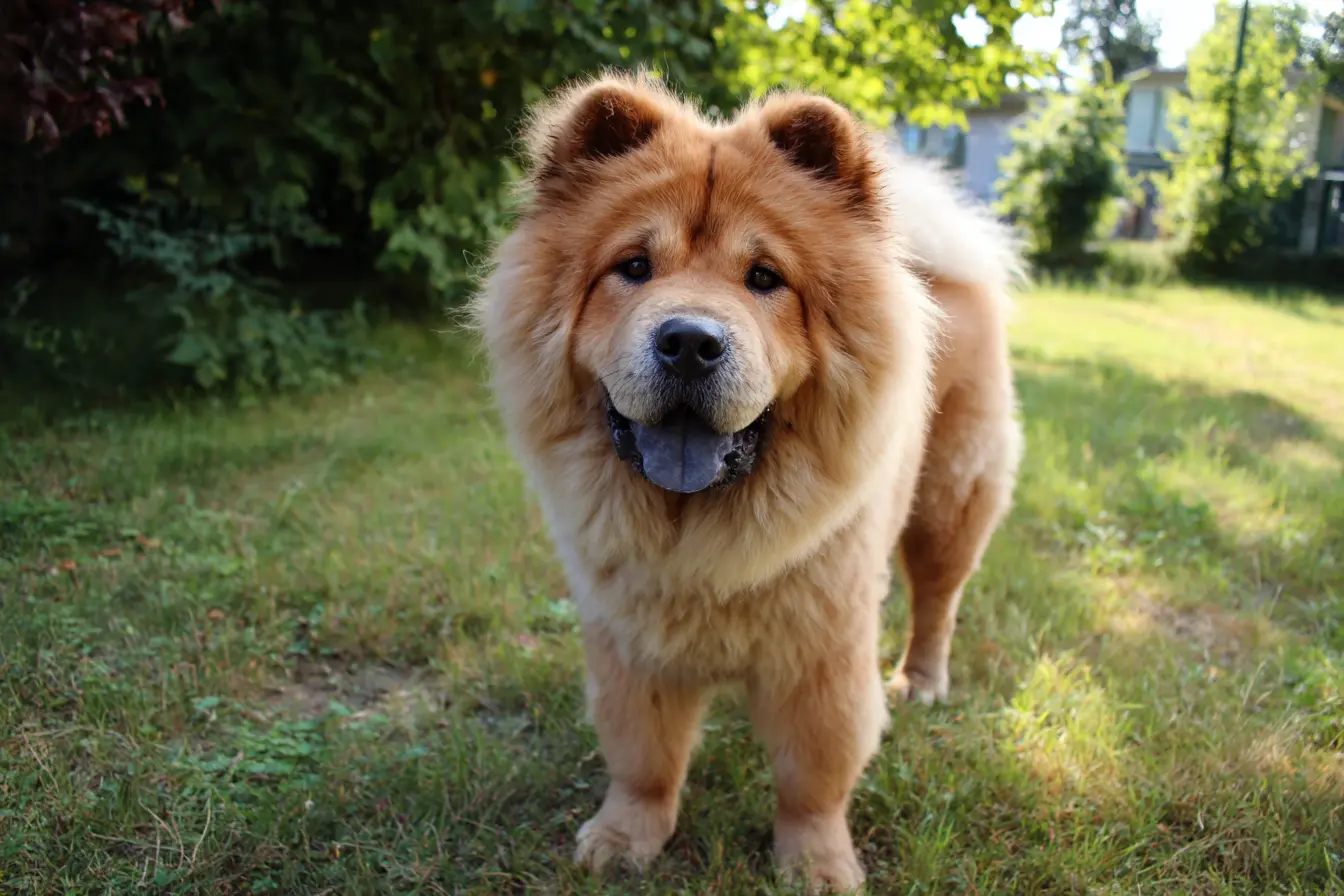
Entropion is a common and often painful eye condition in dogs in which the eyelid rolls inward, causing the eyelashes or surrounding hair to rub against the surface of the eye. This constant irritation can lead to redness, tearing, corneal ulcers, and even vision loss if left untreated. While the condition can affect dogs of any age or breed, some are more predisposed due to genetics or facial structure.
Fortunately, with early diagnosis and proper treatment, most dogs recover fully and go on to live comfortable, healthy lives. This detailed guide explains everything you need to know about entropion, its causes, symptoms, diagnosis, treatment, and long-term care.
What Is Entropion?
The term entropion refers to the inward rolling of the eyelid margin, typically affecting either the upper or lower eyelid, though both can be involved. When the eyelid turns inward, the lashes and surrounding fur rub directly against the delicate cornea (the clear outer surface of the eye) and the conjunctiva (the pink tissue lining the eyelid).
This friction causes inflammation, tearing, and pain, and over time can result in serious damage such as corneal ulcers or scarring, which may permanently impair vision.
Causes of Entropion
Entropion can be congenital (inherited) or acquired later in life due to trauma or other underlying conditions.
1. Congenital (Hereditary) Entropion
This is the most common form and is seen in dogs born with a facial structure or eyelid shape that predisposes them to the condition. Certain breeds with excessive skin folds, loose facial skin, or prominent eyes are particularly prone.
Breeds at High Risk
Shar Pei
Chow Chow
Bulldog (English and French)
Rottweiler
Labrador Retriever
Golden Retriever
Saint Bernard
Great Dane
Bloodhound
Pug
Cocker Spaniel
In some cases, entropion can be seen in puppies as young as a few weeks old.
2. Acquired Entropion
This form develops later in life, often secondary to another condition. Causes include:
Chronic eye inflammation (blepharitis): Swelling can cause the eyelid to roll inward.
Corneal pain or irritation: Dogs may squint or hold their eyes tightly closed, eventually changing eyelid shape.
Trauma or scarring: Injury to the eyelid can alter its normal structure.
Loss of facial muscle tone: Common in older dogs or those with neurological issues, leading to eyelid laxity.
Weight loss or dehydration: Loss of facial fat can cause the skin to sag inward.
In any case, untreated entropion leads to a self-perpetuating cycle of irritation, inflammation, and worsening eyelid rolling.
Symptoms and Signs
The signs of entropion can vary depending on severity, but even mild cases can cause discomfort and eye damage. Dogs often show signs of eye irritation that owners may initially mistake for conjunctivitis or allergies.
Common Symptoms Include:
Excessive tearing or watery eyes (epiphora)
Squinting or frequent blinking
Red, inflamed eyes
Sensitivity to light (photophobia)
Pawing or rubbing at the face
Mucus or discharge from the eyes
Cloudy or bluish appearance to the cornea
Visible rolling of the eyelid inward
Corneal ulcers or scarring (in chronic cases)
Behavioural changes such as irritability or reluctance to open the eyes
In severe cases, vision loss can occur due to permanent corneal damage.
Diagnosis
A veterinarian can diagnose entropion through a thorough eye examination. The process typically involves:
Physical Examination:
The vet inspects the eyelids and observes their position relative to the eyeball. They may gently manipulate the lids to assess laxity and rolling.
Fluorescein Staining:
A special dye is applied to the eye to detect corneal ulcers or scratches caused by friction from the lashes or fur.
Schirmer Tear Test:
Measures tear production to ensure normal lubrication, as excessive tearing may mask dryness.
Intraocular Pressure Measurement:
Ensures there is no secondary glaucoma (increased pressure in the eye).
Breed and Age Assessment:
Helps determine whether the entropion is hereditary or acquired and guides treatment decisions.
In puppies or mild cases, temporary measures may be recommended until the face and eyelids fully develop.
Treatment Options
The goal of treatment is to correct the eyelid position, relieve discomfort, and prevent further corneal damage. The best approach depends on the dog’s age, severity of the condition, and whether it is congenital or acquired.
1. Medical Management (for Mild or Temporary Cases)
In young puppies or mild cases, non-surgical options may be attempted first:
Lubricating eye drops or ointments: Protect the cornea and reduce friction.
Topical antibiotics or anti-inflammatories: Treat or prevent infections and reduce swelling.
Temporary eyelid tacking (tacking sutures): Small stitches are placed to roll the eyelid outward temporarily until the puppy’s facial structure matures.
Addressing underlying issues: Treating infections, inflammation, or weight loss that may contribute to eyelid inversion.
These methods may provide temporary relief but do not permanently correct congenital entropion.
2. Surgical Correction
Surgery is the definitive treatment for most cases of entropion. The procedure, known as blepharoplasty, involves reshaping the eyelid by removing a small section of skin to roll it back into a normal position.
Key Surgical Techniques:
Hotz-Celsus procedure: The most common technique, where a crescent-shaped section of skin is removed near the eyelid margin to evert the lid.
Lateral canthoplasty: Used in cases involving the outer corner of the eye, particularly in breeds with droopy or loose skin.
Wedge resection: Removes a wedge of tissue to tighten excessively loose eyelids.
Surgery is typically performed under general anaesthesia and has a high success rate. In severe or complex cases, multiple surgeries may be needed, especially in breeds with heavy facial folds like the Shar Pei.
3. Postoperative Care
After surgery, your dog will need attentive aftercare to ensure proper healing and prevent complications:
Elizabethan collar (cone): Prevents scratching or rubbing the eyes.
Topical medications: Antibiotic and anti-inflammatory eye drops or ointments.
Pain relief: Prescribed medications to keep your dog comfortable.
Activity restriction: Avoid rough play or excessive movement during recovery.
Follow-up visits: To monitor healing and check eyelid positioning.
Mild swelling and tearing are normal after surgery, but persistent redness or discharge should be checked by your vet immediately.
Potential Complications
While the prognosis for entropion surgery is excellent, complications can occur, particularly if the condition was severe or chronic before treatment:
Overcorrection (ectropion): The eyelid may roll outward excessively.
Persistent irritation or scarring: If the cornea was damaged before surgery.
Recurrence: In some breeds or if the initial correction was insufficient.
Regular follow-up and prompt treatment of any eye irritation can prevent these issues.
Prognosis
With early diagnosis and appropriate treatment, the outlook for dogs with entropion is very good. Most dogs recover completely and experience relief from pain and discomfort.
If left untreated, however, chronic entropion can lead to corneal ulceration, infection, and permanent vision loss, so timely veterinary attention is critical.
Prevention
While hereditary entropion cannot always be prevented, responsible breeding and good eye care can reduce the risk.
Tips for Prevention and Early Detection:
Choose responsible breeders: Only breed dogs with no history of entropion or other eyelid abnormalities.
Regular eye checks: Especially for at-risk breeds or puppies showing early signs of eye irritation.
Avoid excessive facial skin folds: In breeding programs for brachycephalic or loose-skinned breeds.
Protect from eye trauma: Prevent injuries and foreign bodies that could trigger acquired entropion.
Monitor senior dogs: Age-related muscle loss can lead to late-onset entropion.
Living with a Dog Prone to Entropion
Dogs predisposed to entropion can still live long, happy lives with proper management. Owners should:
Watch for any signs of squinting, tearing, or eye rubbing.
Keep the eye area clean and dry.
Use lubricating drops if recommended by a vet.
Schedule regular eye exams, particularly in breeds known for eyelid issues.
Prompt treatment of even mild irritation can prevent painful complications and protect your dog’s vision.
Conclusion
Entropion in dogs is a painful but highly treatable condition. Early recognition and veterinary care are essential to prevent long-term damage and preserve eye health. With advances in surgical techniques and effective aftercare, most dogs make a full recovery and enjoy lasting comfort and clear vision.
Whether your dog is a wrinkly-faced puppy or a senior with new eye irritation, understanding entropion and acting quickly can make all the difference, ensuring their eyes stay bright, healthy, and pain-free for years to come.
Quick questions
- What should I know about entropion?
- Entropion is a painful eye condition in dogs where the eyelid rolls inward, causing irritation. It can lead to redness, tearing, and even vision loss if untreated. Vet Verified can help you compare UK veterinary practices by location, species, services and opening hours before you call.
- When should I contact a vet about entropion?
- Contact a veterinary practice if your pet seems unwell, symptoms are getting worse, you are unsure what to do, or the situation may be urgent. Vet Verified helps you compare practice details, but a vet should advise on your pet's current care.
- Can Vet Verified help me find dog vets?
- Yes. Use Vet Verified to compare dog vets across the UK, then check practice profiles and call directly to confirm current availability.
Find a vet
Find a veterinary practice
Compare UK veterinary practices related to this topic. Call the practice to confirm its current services and availability.