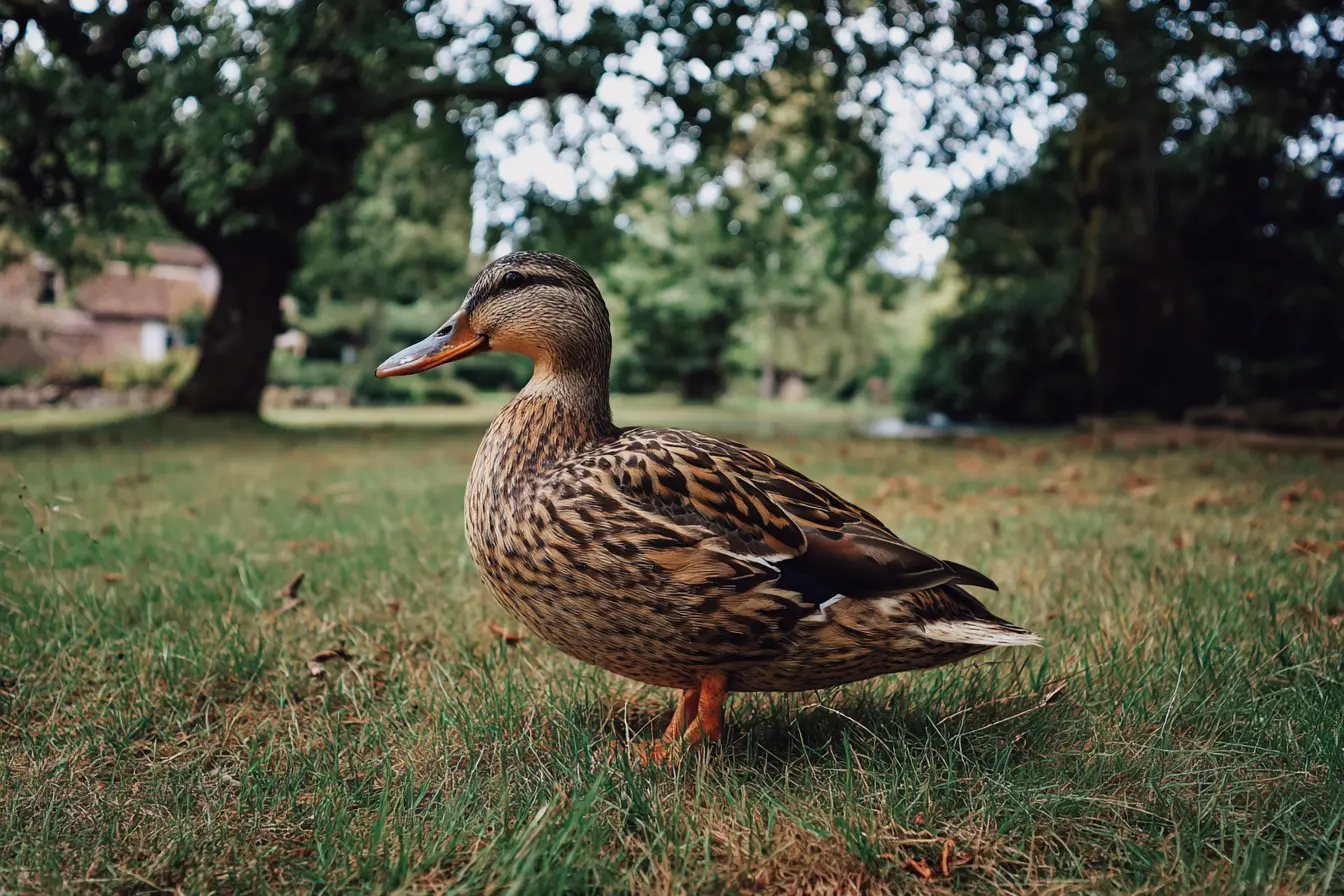
Many people are surprised to learn that ducks can be excellent egg layers, sometimes rivalling chickens in productivity. However, duck egg laying follows different patterns and rhythms. How often ducks lay eggs depends on breed, age, season, housing, and overall care. Understanding what is normal for ducks will help you manage expectations and look after your birds properly.
How Often Do Ducks Lay Eggs on Average?
Most domestic ducks lay:
3–6 eggs per week during their laying season
Around 150–300 eggs per year, depending on breed
Unlike chickens, many ducks lay their eggs early in the morning, often before being let out of their housing.
Duck egg laying is seasonal and cyclical. Even strong layers will not lay consistently all year round.
At What Age Do Ducks Start Laying Eggs?
Most ducks begin laying at:
20–28 weeks old (around 5–7 months)
This varies by breed and individual bird:
Light, high-production breeds may start earlier
Heavier or traditional breeds often start later
Before they begin laying, ducks may show signs such as:
Louder or more frequent vocalising
Increased interest in nesting spots
Squatting behaviour in females
Early eggs may be smaller or irregular in shape, which is normal.
How Long Do Ducks Keep Laying Eggs?
Ducks generally lay well for longer than chickens.
Typical laying pattern:
First year: strong, consistent laying
Second and third years: slightly reduced but still steady
Fourth year and beyond: gradual decline
Many ducks continue laying small numbers of eggs into old age, especially if they are healthy and well cared for.
Do Ducks Lay Eggs Every Day?
Some breeds can lay nearly every day during peak season, but daily laying is not guaranteed.
Reasons ducks may not lay daily include:
Breed genetics
Seasonal daylight changes
Moulting
Weather conditions
Stress or health issues
It takes roughly 24 hours to form an egg, so consistent daily laying places high demands on the duck’s body.
Do Ducks Lay Eggs All Year Round?
Seasonal Egg Laying
In the UK, most ducks lay mainly from:
Early spring through late summer
As daylight decreases in autumn, egg production usually slows or stops. This is a natural and healthy rest period.
Ducks require approximately 14 hours of daylight to maintain regular laying.
Winter Laying
Some ducks may lay occasionally in winter if:
They are young
They are from high-laying breeds
They are housed in warm, well-lit conditions
Many keepers allow ducks to stop laying naturally over winter, which supports long-term health and longevity.
How Does Moulting Affect Duck Egg Laying?
Ducks moult at least once a year, often in late summer or autumn.
During a moult:
Egg laying usually stops completely
Energy is redirected to feather regrowth
The process may last several weeks
Ducks may appear scruffy or less active during this time, which is normal.
Do Different Duck Breeds Lay Different Numbers of Eggs?
Yes, breed plays a major role in how often ducks lay.
High egg-laying breeds:
Khaki Campbell (up to 300 eggs per year)
Indian Runner (200–300 eggs per year)
Welsh Harlequin (around 250 eggs per year)
Moderate layers:
Pekin (around 150–200 eggs per year)
Saxony
Buff Orpington
Lower but steady layers:
Cayuga
Rouen
Aylesbury
Ornamental or less productive layers:
Crested ducks
Some ornamental breeds are kept mainly for appearance rather than egg production.
Factors That Affect How Often Ducks Lay Eggs
Diet
A balanced diet is essential for egg production.
Ducks need:
Quality waterfowl or duck pellets
Adequate protein levels
Calcium for strong shells
Poor nutrition is one of the most common causes of reduced laying.
Water Access
Ducks need water to eat properly and stay healthy.
Egg production may drop if ducks do not have:
Constant access to clean drinking water
Water deep enough to rinse their bills
Daylight
Light levels directly affect laying hormones.
Short days naturally reduce egg production. Artificial lighting can increase laying but should be used carefully to avoid long-term health issues.
Stress
Stress can significantly impact egg laying.
Common stressors include:
Predator disturbances
Sudden changes to routine
Bullying within the flock
Health
Illness, parasites, and nutritional deficiencies can all stop egg production.
Regular checks and prompt treatment help maintain healthy laying.
Do Ducks Lay Eggs Without a Drake?
Yes. Ducks lay eggs whether or not a drake is present.
Eggs laid without a drake are unfertilised
Fertilised eggs only develop if incubated
A drake is not required for egg production.
Can You Increase How Often Ducks Lay Eggs?
You can support healthy laying, but you should not force it.
Best practices include:
Feeding a balanced, species-appropriate diet
Providing clean water at all times
Reducing stress
Allowing natural seasonal rest
Over-managing light or feeding to push production can shorten a duck’s lifespan.
When Should You Be Concerned About Egg Production?
Investigate if egg laying suddenly stops outside of winter or moulting, especially if you notice:
Weight loss
Lethargy
Changes in droppings
Soft-shelled or shell-less eggs
Swollen abdomen or unusual posture
Seek advice from an avian or poultry vet if problems persist.
Summary: What Duck Owners Should Expect
Most ducks lay 3–6 eggs per week in season
Laying usually starts at 20–28 weeks old
Egg production is seasonal and affected by daylight
Ducks often lay well for several years
Diet, water, health, and stress all matter
Conclusion
Ducks can be reliable and rewarding egg layers, but they follow different patterns to chickens. Seasonal laying, winter breaks, and moulting are all normal and healthy. By providing good nutrition, plenty of water, low-stress housing, and allowing natural rest periods, duck owners can enjoy regular egg production while keeping their birds healthy and content for many years.
Quick questions
- What should I know about duck egg laying?
- Ducks can lay between 3 to 6 eggs weekly during their season, with a yearly total of 150 to 300 eggs, depending on the breed. They typically start laying at 20 to 28 weeks old. Vet Verified can help you compare UK veterinary practices by location, species, services and opening hours before you call.
- When should I contact a vet about duck egg laying?
- Contact a veterinary practice if your pet seems unwell, symptoms are getting worse, you are unsure what to do, or the situation may be urgent. Vet Verified helps you compare practice details, but a vet should advise on your pet's current care.
- Can Vet Verified help me find bird vets?
- Yes. Use Vet Verified to compare bird vets across the UK, then check practice profiles and call directly to confirm current availability.
Find a vet
Find a veterinary practice
Compare UK veterinary practices related to this topic. Call the practice to confirm its current services and availability.