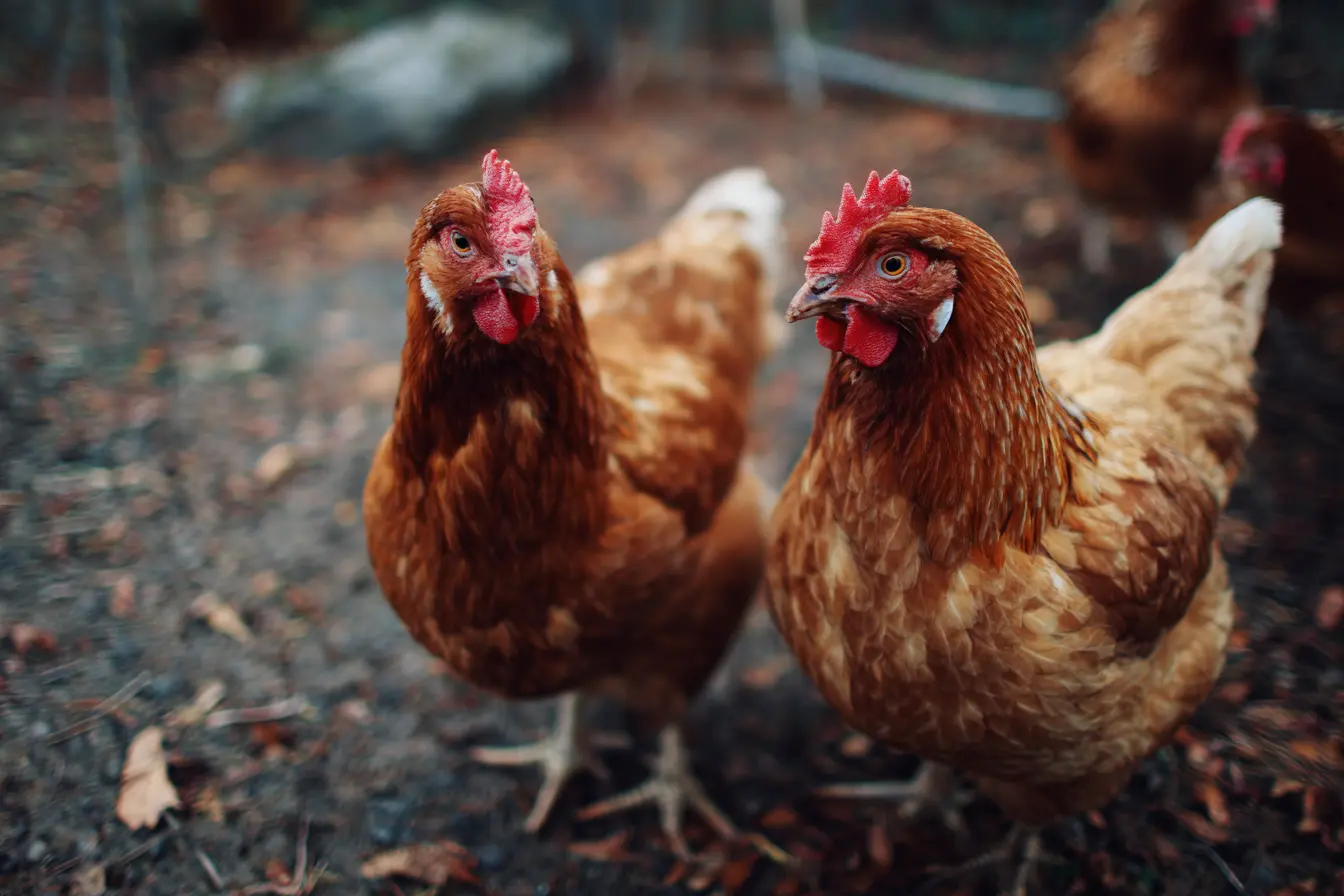
Feeding chickens might appear straightforward, but providing a varied and balanced diet is essential for their health, egg production, and overall wellbeing. Whether you keep a few hens in your garden, manage a small flock on a smallholding, or are new to chicken keeping altogether, knowing what chickens can and can’t eat will help them thrive.
Why Diet Matters for Chickens
Chickens are omnivores and natural foragers. In the wild they spend much of their day scratching and pecking for seeds, insects, plants, and small invertebrates. A proper diet supports:
Strong bones and healthy growth
Good feather condition
Reliable egg laying with strong shells
A healthy digestive system
A robust immune response
An unbalanced or inappropriate diet can lead to nutritional deficiencies, obesity, soft-shelled eggs, poor laying, and long-term health issues.
What Chickens Should Eat
A Balanced Commercial Feed
The foundation of a chicken’s diet should always be a high-quality commercial poultry feed designed for their life stage.
Common options include:
Layers pellets or mash – for laying hens, with added calcium
Grower pellets – for young chickens not yet laying
Chick crumb – for chicks, finely milled for easy eating
Pellets help reduce waste, while mash allows slower feeding. Choose what suits your flock best.
Avoid medicated feeds unless advised by a vet, especially if your chickens also produce eggs for consumption.
Fresh Vegetables and Greens
Vegetables provide vitamins, minerals, and enrichment.
Safe vegetables include:
Cabbage, kale, spinach, spring greens
Lettuce (avoid iceberg)
Carrots (grated or chopped)
Courgette, cucumber, pumpkin
Broccoli, cauliflower, green beans
Peas and sweetcorn
Hang leafy greens from a string or scatter chopped veg to encourage natural foraging behaviour.
Fruit (As an Occasional Treat)
Fruit is enjoyed by chickens but should be limited due to its sugar content.
Safe fruits include:
Apples (no seeds)
Pears
Grapes (cut in half)
Strawberries
Blueberries
Bananas
Melon
Fruit should be fed in moderation and should not replace their main feed.
Protein Sources
Extra protein is beneficial during moulting, for growing birds, or during colder months.
Suitable protein sources include:
Mealworms (live or dried)
Earthworms and insects
Scrambled or boiled eggs (plain, no seasoning)
Cooked fish (unseasoned)
Protein treats should be occasional, as excess protein can cause health problems.
Grains and Seeds
Grains are best offered as treats rather than staples.
Suitable options include:
Wheat
Barley
Oats
Maize (cracked or whole)
Sunflower seeds (unsalted)
Scatter grains to encourage scratching and exercise.
Kitchen Scraps (With Care)
Many household leftovers can be safely fed if they are fresh and unseasoned.
Acceptable scraps include:
Plain cooked rice or pasta
Cooked potatoes (never raw)
Vegetable peelings
Bread crusts (very occasionally)
Scraps should make up only a small part of the diet.
What Chickens Shouldn’t Eat
Foods Toxic to Chickens
Some foods are dangerous and should never be fed:
Avocado (especially the skin and stone)
Onions and garlic
Chocolate
Caffeine
Apple seeds
Raw beans
Green potato skins
These can cause serious illness or poisoning.
Salty, Sugary, or Processed Foods
Chickens are sensitive to salt and additives. Avoid feeding:
Crisps
Chips
Processed meats
Takeaways
Biscuits, cakes, or sweets
These provide no nutritional benefit and can harm their health.
Mouldy or Spoiled Food
Never feed food that is mouldy or gone off, as it can contain toxins that are fatal to chickens.
Feeding Chicks: Special Considerations
Chicks have very specific nutritional needs.
Suitable foods for chicks:
Chick crumb (unmedicated)
Finely chopped greens (after the first week)
Small insects
Clean, fresh water at all times
What to avoid for chicks:
Layer feed (too much calcium)
Large or hard foods
Bread
Treats in excess
Grit is not needed for chicks unless they are eating foods other than chick crumb.
Grit, Calcium, and Supplements
Grit
Chickens need grit to help grind food in their gizzard.
Insoluble grit: needed if chickens eat anything other than pellets
Offer free-choice in a separate container
Calcium
Laying hens need extra calcium for strong eggshells.
Provide crushed oyster shell or limestone grit separately
Never mix extra calcium into feed for non-laying birds
How Much and How Often Should Chickens Eat?
Most adult chickens should have constant access to their main feed.
General guidelines:
Pellets/mash: available all day
Greens: daily or several times a week
Treats: no more than 10% of their diet
Overfeeding treats can reduce egg production and lead to obesity.
Water Requirements
Chickens must always have access to:
Clean, fresh water
Containers that cannot be easily tipped over
Water that is refreshed daily
In winter, check regularly for frozen water.
Final Tips for Healthy, Happy Chickens
Keep feeding areas clean to deter rodents
Store feed in sealed containers
Introduce new foods gradually
Observe droppings and behaviour for signs of dietary issues
Conclusion
Chickens do best on a diet centred around quality commercial feed, supplemented with vegetables, occasional fruit, and protein treats. Avoid toxic, salty, or processed foods, and always provide clean water and appropriate supplements. With the right diet, your chickens will be healthier, happier, and more productive.
Quick questions
- What should I know about chicken diet?
- Feeding chickens properly is key to their health and egg production. Chickens need a balanced diet based on quality commercial feed, with added vegetables, occasional fruit, and protein treats. Vet Verified can help you compare UK veterinary practices by location, species, services and opening hours before you call.
- When should I contact a vet about chicken diet?
- Contact a veterinary practice if your pet seems unwell, symptoms are getting worse, you are unsure what to do, or the situation may be urgent. Vet Verified helps you compare practice details, but a vet should advise on your pet's current care.
- Can Vet Verified help me find bird vets?
- Yes. Use Vet Verified to compare bird vets across the UK, then check practice profiles and call directly to confirm current availability.
Find a vet
Find a veterinary practice
Compare UK veterinary practices related to this topic. Call the practice to confirm its current services and availability.