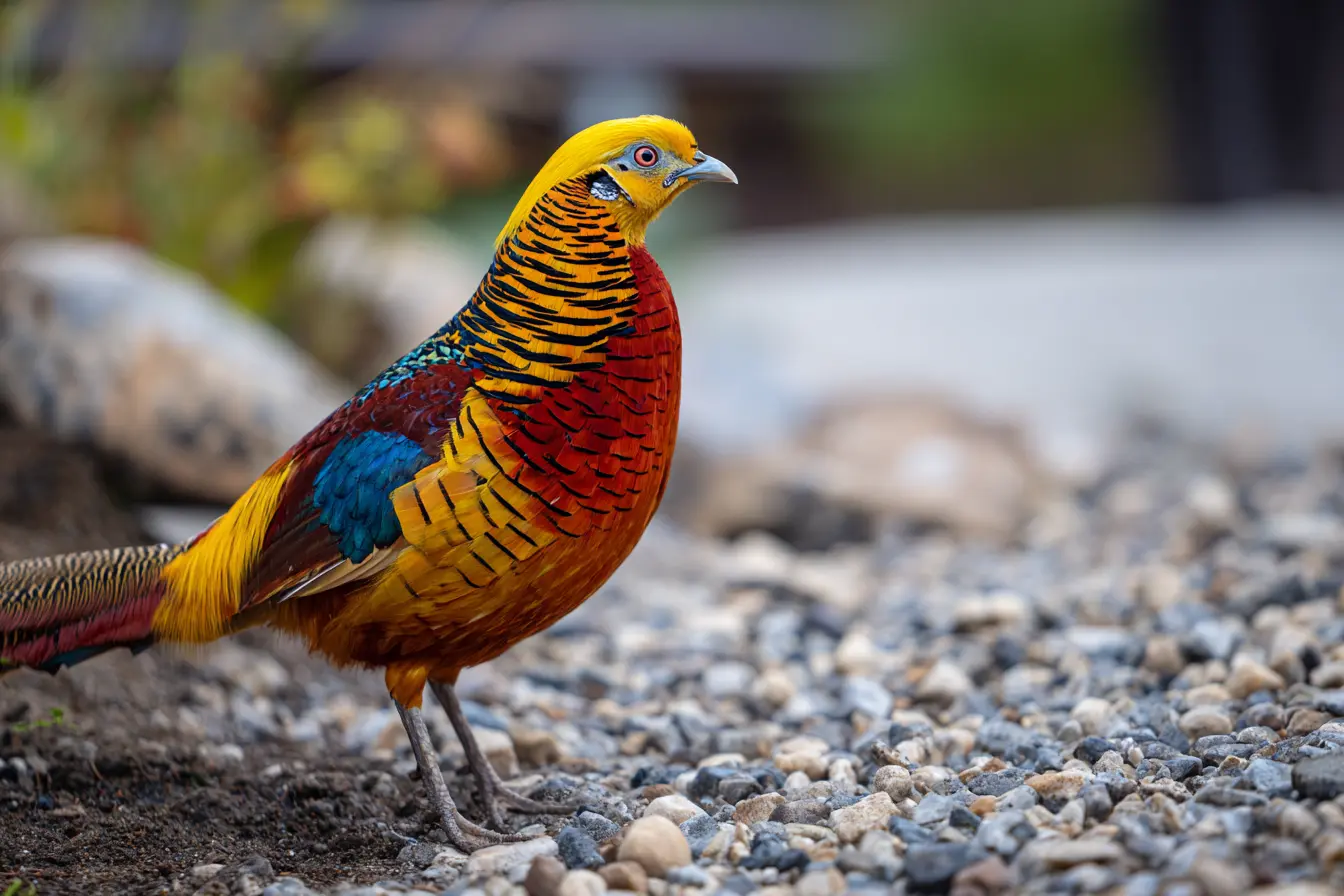
Ornamental game birds are a beautiful and fascinating addition to country estates, farms, and large gardens across the United Kingdom. Kept for their elegance, rarity, and captivating behaviours rather than for shooting, these birds combine the splendour of the wild with the joy of aviculture. Whether you are drawn to the exotic colours of pheasants, the grace of partridges, or the striking display of peafowl, keeping ornamental game birds requires care, knowledge, and respect for their needs.
This detailed guide explains everything you need to know about keeping ornamental game birds, from species selection and housing to feeding, breeding, and legal considerations.
Understanding Ornamental Game Birds
The term ornamental game bird covers a wide range of species within the pheasant family (Phasianidae). Unlike birds reared for sport or meat, ornamental varieties are kept primarily for their aesthetic and conservation value. They are often displayed in aviaries, wildlife parks, or private collections.
Common Species Kept in the UK
There are many species and subspecies suitable for ornamental keeping, including:
Golden Pheasant (Chrysolophus pictus) – Native to China, known for the male’s vivid scarlet and gold plumage. Hardy and easy to keep.
Lady Amherst’s Pheasant (Chrysolophus amherstiae) – Striking with silver and black plumage and a long tail. Slightly more delicate than the Golden Pheasant.
Reeves’s Pheasant (Syrmaticus reevesii) – Large, elegant pheasant with an exceptionally long tail and bold markings.
Silver Pheasant (Lophura nycthemera) – Graceful, silvery-white plumage with contrasting black.
Swinhoe’s Pheasant (Lophura swinhoii) – Deep blue body, red wattles, and iridescent feathers.
Edward’s Pheasant (Lophura edwardsi) and Mikado Pheasant (Syrmaticus mikado) – Rare, endangered species bred for conservation.
Peafowl (Pavo spp.) – The Indian, Green, and Congo species are all kept ornamentally.
Partridges and Quail – Small, colourful birds such as the Red-legged Partridge or Japanese Quail make excellent aviary residents.
Each species has unique requirements and temperament, so always research your chosen bird before purchasing.
Legal Considerations
In the UK, most ornamental game birds do not require a specific licence, but keepers must comply with the Animal Welfare Act 2006 and any additional legislation relating to protected or endangered species.
Key Legal Responsibilities
Animal Welfare Act 2006 – Requires that animals have proper housing, diet, and care to meet their welfare needs.
The Wildlife and Countryside Act 1981 – Makes it illegal to release non-native species into the wild or allow them to escape.
CITES Regulations (Convention on International Trade in Endangered Species) – Applies to rare or threatened species such as Edward’s or Swinhoe’s pheasants. Importing or selling these birds requires permits.
DEFRA Registration – Breeders selling birds commercially may need to register with the Animal and Plant Health Agency (APHA).
Always ensure your birds are legally sourced and that you keep records of purchases, breeding, and sales.
Choosing Species and Stock
When selecting ornamental game birds, consider your climate, space, and experience.
Beginners: Golden, Silver, or Lady Amherst’s Pheasants are ideal as they are hardy, non-aggressive, and easy to breed.
Intermediate Keepers: Reeves’s or Swinhoe’s Pheasants require more space and careful handling.
Advanced Keepers: Rare species such as Edward’s or Mikado Pheasants are suited to experienced breeders involved in conservation.
Where to Buy
Obtain stock from reputable breeders or specialist game bird farms. Avoid mixed markets or unverified sources. Look for birds with:
Bright, alert eyes.
Clean feathers and feet.
Good weight and active behaviour.
Healthy birds should show curiosity and confidence in captivity.
Housing and Enclosures
The right housing is crucial to the welfare and safety of ornamental game birds. While most species are hardy, they require shelter from wind, rain, and predators.
Aviary Design
Size: Minimum of 6 metres long, 3 metres wide, and 2.5 metres high for a pair of pheasants. Larger is always better.
Structure: Strong wooden or metal frame with weld mesh (no larger than 25 mm).
Roofing: Fully covered or half-covered aviaries provide protection from the elements.
Shelter: A dry, enclosed area with perches, branches, or shrubs for roosting.
Substrate: Sand, soil, or grass with good drainage.
Plants: Add natural cover such as bamboo, grasses, or conifers to create a more natural environment.
Predator Protection
Foxes, stoats, rats, and birds of prey pose risks. Protect your aviaries by:
Digging mesh at least 30 cm into the ground to prevent burrowing.
Using electric fencing where necessary.
Covering the top with fine mesh to deter hawks.
Free-Range Systems
Some keepers allow birds to roam in large fenced areas. This requires:
Minimum 2-metre fencing with a secure top or clipped flight feathers.
Access to food, water, and roosting shelters.
Supervision to prevent escape or predation.
Feeding and Nutrition
Ornamental game birds have diverse diets depending on species, but all require balanced nutrition for health and vibrant plumage.
Basic Diet
Game bird pellets or pheasant layers pellets: The foundation diet for adults.
Mixed grains: Wheat, barley, and cracked maize.
Fresh greens: Lettuce, spinach, dandelion, and clover.
Fruits and vegetables: Apple, carrot, or berries in small quantities.
Live food or protein: Mealworms, crickets, or boiled egg for breeding birds.
Seasonal Adjustments
Breeding Season: Increase protein levels (20–24%) to support egg production and chick rearing.
Winter: Offer energy-rich grains such as maize to maintain body weight.
Provide fresh water at all times, ideally raised off the ground to prevent contamination, and grit to aid digestion.
Health and Disease Management
Maintaining good hygiene and monitoring your birds regularly will prevent most health issues.
Common Diseases
Coccidiosis: A parasitic disease causing diarrhoea and lethargy. Prevent with clean housing and medicated feed if necessary.
Worms: Common in outdoor birds. Worm every 3–4 months using a suitable poultry wormer.
Respiratory infections: Often caused by damp, cold conditions or poor ventilation. Keep housing dry and well-aired.
Mites and lice: External parasites that irritate skin and feathers. Provide dust baths and use poultry-safe treatments as needed.
Hygiene Practices
Clean and disinfect aviaries regularly.
Replace soiled bedding weekly.
Avoid overcrowding, which leads to stress and disease.
Quarantine new birds for at least two weeks before mixing.
Healthy birds should be alert, active, and well-feathered.
Breeding Ornamental Game Birds
Most ornamental species breed readily if kept in good conditions. Breeding season usually begins in April and lasts until July.
Pairing and Mating
Keep one male with one or two females.
Avoid mixing species, as hybridisation can occur.
Provide privacy with shrubs or partitions between enclosures to reduce aggression.
Nesting and Egg Care
Females make simple nests on the ground. Supply straw, leaves, or grass.
Eggs are laid daily and should be collected promptly to prevent damage.
Store at around 15°C until incubation.
Incubation and Hatching
Incubation period: 23–28 days, depending on species.
Temperature: 37.5°C.
Humidity: 50–55% during incubation, 65% for hatching.
Chicks (known as poults) require a brooder temperature of 35°C, reducing by 3°C weekly. Provide chick crumb (28–30% protein) and shallow waterers.
Behaviour and Compatibility
Ornamental game birds are generally peaceful but may show territorial aggression during breeding.
Males can fight if kept in proximity without visual barriers.
Provide hiding spots for females to avoid harassment.
Most species can be tamed with gentle handling and routine feeding.
They are naturally curious and benefit from enrichment such as perches, vegetation, and scattered food to encourage natural foraging.
Winter Care
Many species are hardy but must be protected from prolonged frost and damp.
Provide sheltered, draught-free housing.
Add deep straw bedding for insulation.
Ensure food and water are never frozen.
For tropical or delicate species, provide heated housing or move birds indoors during severe cold.
Aviaries should face south or east for maximum sunlight exposure during winter months.
Record Keeping and Management
Responsible keepers should maintain records of:
Species, sex, and identification details.
Hatch dates and parentage.
Health checks, worming, and treatments.
Sales, transfers, or deaths.
Proper record keeping ensures good flock management and compliance with CITES or DEFRA requirements where applicable.
Ethics and Conservation
Many ornamental species are endangered in the wild. Breeding them responsibly helps maintain genetic diversity and supports global conservation.
Avoid cross-breeding or hybridising species purely for colour variation, as this undermines conservation value. Work with recognised avicultural societies such as:
The Pheasant and Waterfowl Society.
British Game Bird Breeders’ Association.
British Ornamental Pheasant Society (BOPS).
These organisations provide guidance, networking, and opportunities to contribute to conservation breeding programmes.
Conclusion
Keeping ornamental game birds is a deeply rewarding pursuit that combines art, nature, and conservation. Their dazzling colours, graceful movements, and unique calls bring life and beauty to any setting.
Success depends on understanding the needs of the species and providing secure housing, balanced nutrition, and appropriate companionship. With care, responsibility, and respect for both welfare and biodiversity, ornamental game birds can flourish in captivity while preserving a link to some of the world’s most extraordinary avian species.
Quick questions
- What should I know about ornamental game birds?
- Ornamental game birds, such as pheasants, partridges, and peafowl, are popular in the UK for their beauty and conservation importance. This guide covers species selection, housing, legal considerations, feeding, and health care. Vet Verified can help you compare UK veterinary practices by location, species, services and opening hours before you call.
- When should I contact a vet about ornamental game birds?
- Contact a veterinary practice if your pet seems unwell, symptoms are getting worse, you are unsure what to do, or the situation may be urgent. Vet Verified helps you compare practice details, but a vet should advise on your pet's current care.
- Can Vet Verified help me find exotic vets?
- Yes. Use Vet Verified to compare exotic vets across the UK, then check practice profiles and call directly to confirm current availability.
Find a vet
Find a veterinary practice
Compare UK veterinary practices related to this topic. Call the practice to confirm its current services and availability.
Search by species
- Exotic vets Find UK veterinary practices that list care for exotic pets. Compare opening hours, services, facilities and verified profiles, then contact a practice directly.
- Bird vets Find UK veterinary practices that list care for birds. Compare opening hours, services, facilities and verified profiles, then contact a practice directly.