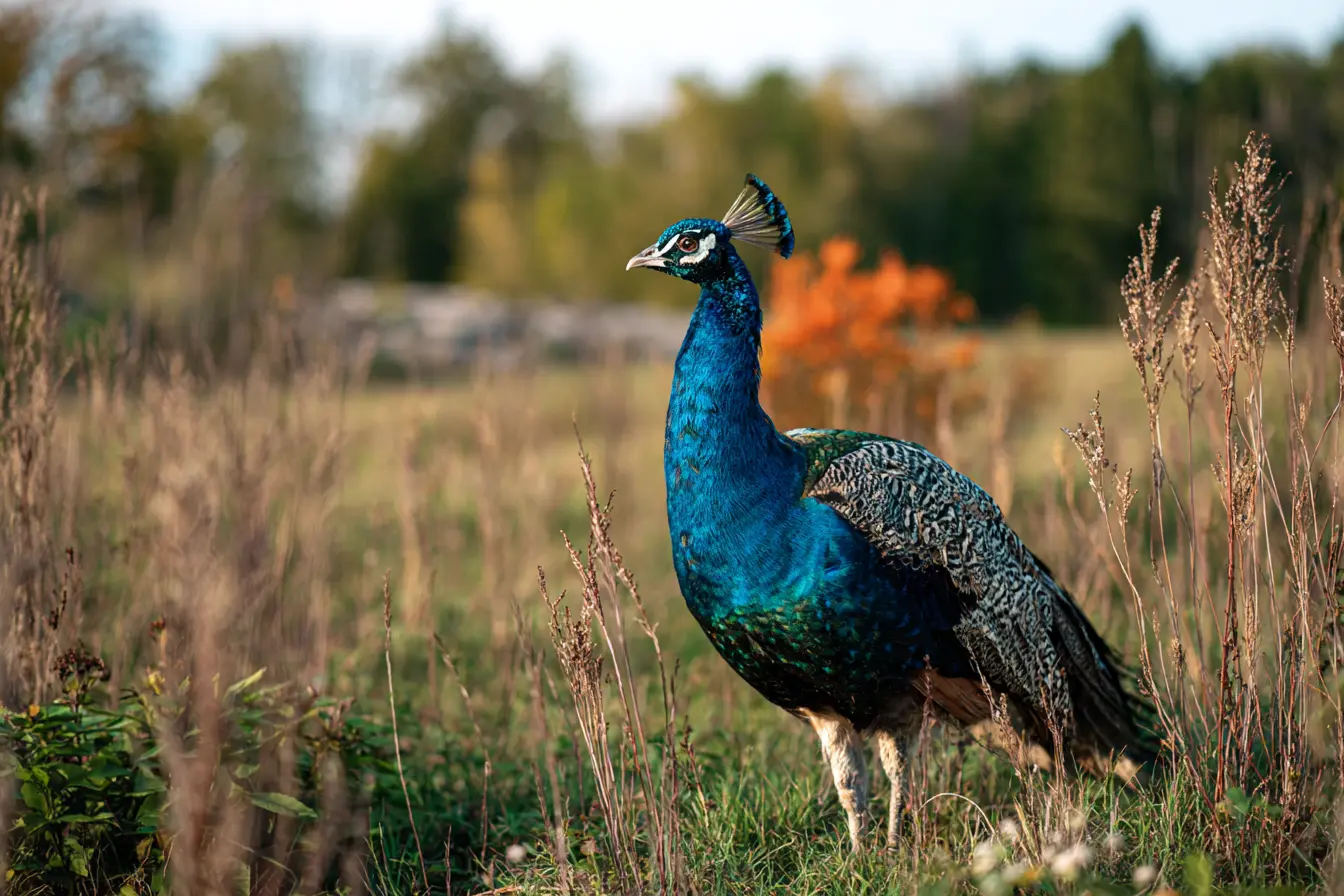
Peafowl are among the most magnificent and ornamental birds that can be kept in the UK. Known for their striking plumage, proud displays, and elegant presence, these birds add beauty and character to any estate, parkland, or large garden. However, keeping peafowl requires more than admiration, they are intelligent, demanding birds that need space, care, and understanding of their natural behaviours.
This detailed guide covers everything you need to know about keeping peafowl successfully and responsibly, from choosing the right species and housing to feeding, breeding, and legal considerations.
Understanding Peafowl
Peafowl belong to the pheasant family (Phasianidae). The term peafowl covers both sexes:
Peacocks are males.
Peahens are females.
Peachicks are the young.
There are three main species of peafowl:
Indian or Blue Peafowl (Pavo cristatus)
The most common species kept in the UK. Native to India and Sri Lanka, they are hardy, adaptable, and known for their spectacular iridescent blue plumage and “eye-spotted” tail feathers.
Green Peafowl (Pavo muticus)
Originating from Southeast Asia, they are rarer and more delicate, with brilliant green and bronze plumage. This species requires warm housing in winter and more experienced care.
Congo Peafowl (Afropavo congensis)
Native to Africa and much less common in captivity. Smaller and less showy but of significant conservation interest.
Most keepers in the UK choose the Indian Blue Peafowl due to its resilience and suitability for outdoor living in the British climate.
Legal Considerations
Keeping peafowl in the UK does not require a specific licence; however, their welfare is covered by the Animal Welfare Act 2006. This means you must provide for their five basic needs:
Suitable environment.
Suitable diet.
Ability to exhibit normal behaviour.
Housing or companionship suited to their species.
Protection from pain, suffering, and disease.
Nuisance and Neighbour Considerations
While not noisy compared to cockerels, peacocks can call loudly, especially during the breeding season (April to August). Their calls carry over long distances and can disturb neighbours. Some councils may consider complaints under noise or nuisance laws, so it is wise to consult nearby residents before introducing peafowl.
Wildlife and Environmental Regulations
Peafowl are non-native, so if they escape and establish in the wild, you may be held responsible for any environmental harm. Keep your birds securely and manage breeding responsibly to avoid unwanted expansion of flocks.
Choosing and Acquiring Peafowl
Where to Buy
You can obtain peafowl from:
Specialist breeders.
Game bird and ornamental poultry suppliers.
Agricultural or avicultural shows.
Always buy from reputable breeders who maintain healthy, well-socialised birds and are willing to show you their facilities. Avoid buying very young chicks unless you have brooding experience.
Choosing the Right Birds
Pairs or Trios: Most keepers start with a pair (one peacock, one peahen) or a trio (one male, two females).
Age: Peafowl reach maturity at around three years old. Younger birds (6–12 months) are easier to tame but will not display full plumage until their third year.
Health: Look for bright eyes, alert posture, clean feathers, and good weight. Avoid birds with dirty vents, dull plumage, or drooping wings.
Housing and Enclosures
Peafowl are free-ranging by nature and thrive best when allowed to roam in open areas. However, they must first be acclimatised to their new home to prevent escape.
Acclimatisation Pens
When first introduced, birds should be kept in a secure pen for at least six to eight weeks. This helps them recognise your property as home.
Size: At least 4 metres by 4 metres for a pair, with a height of 2 metres.
Structure: Weld mesh fencing and a covered top to prevent flight.
Shelter: Provide a dry, draught-free shelter with perches.
Position: Quiet, sheltered location with good visibility to surrounding grounds.
Once acclimatised, birds can be gradually released to roam during the day and return to roost at night.
Free-Range Management
Peafowl are happiest when allowed to range freely. They will patrol large areas, forage naturally, and roost in trees or on high structures.
Provide tall, sturdy perches such as mature trees or purpose-built roosts at least 2–3 metres high.
Ensure safe roosting away from predators like foxes.
Encourage them to return at dusk by feeding near their pen or shelter.
Free-ranging peafowl may wander onto neighbouring property, so large estates or rural settings are most suitable. In smaller gardens, secure high fencing (over 2 metres) and trimmed flight feathers can help limit roaming.
Housing Requirements
Even free-ranging birds need shelter for bad weather and breeding:
A dry, well-ventilated shed or aviary.
Elevated perches for roosting.
Nesting boxes or secluded areas for hens.
Clean straw or wood shavings for bedding.
Peafowl tolerate cold weather well, but young birds and tropical species (like Green Peafowl) require frost-free housing in winter.
Feeding and Nutrition
Peafowl are omnivores and have varied dietary needs. In the wild, they eat seeds, plants, insects, and small reptiles.
Feeding Schedule
Adults: Feed twice daily.
Diet Composition:
Commercial game bird or pheasant pellets (16–18% protein).
Grains such as wheat, maize, and barley.
Fresh greens (spinach, kale, lettuce, dandelion leaves).
Occasional fruits and vegetables.
Mealworms or insects for enrichment.
Always provide fresh, clean water in heavy containers that cannot be tipped. Grit should also be available to aid digestion.
Supplementation
During the breeding season, add vitamin and mineral supplements to support egg production and plumage condition. Oyster shell or crushed eggshell provides extra calcium for laying hens.
Health and Welfare
Peafowl are hardy birds but can suffer from similar diseases to other poultry.
Common Health Issues
Worms: Regular worming every 3–4 months.
External Parasites: Mites and lice can infest feathers; provide dust baths and treat perches with diatomaceous earth.
Coccidiosis: A gut parasite affecting chicks; maintain clean housing and avoid damp bedding.
Respiratory Disease: Caused by poor ventilation or dusty litter.
Bumblefoot: Infections of the foot pads; ensure clean, dry perches and avoid rough ground.
Signs of illness include drooping wings, ruffled feathers, lethargy, or reduced appetite. Seek veterinary advice promptly if these appear.
Breeding Peafowl
Breeding season runs from April to August. Peacocks display their impressive trains, accompanied by loud calls, to attract hens.
Mating and Egg Laying
A single peacock can serve up to four peahens.
Peahens lay 4–8 eggs per clutch in a shallow ground nest lined with grass or leaves.
Eggs are laid every 2–3 days and take around 28 days to hatch.
Incubation and Rearing
Hens often make unreliable mothers, so eggs are frequently incubated artificially or under broody hens (such as large chickens or turkeys).
For artificial incubation:
Temperature: 37.5°C
Humidity: 55% during incubation, increasing to 65% for hatching
Turn eggs three times daily until day 25
Chicks (peachicks) require:
Brooder temperature: 35°C, reduced by 3°C weekly until fully feathered.
Starter feed: High-protein game bird crumb (28–30% protein).
Access to clean water in shallow drinkers.
Young peafowl should be kept dry and sheltered until at least 12 weeks old.
Behaviour and Temperament
Peafowl are social birds that enjoy company but can be territorial during the breeding season. They are intelligent and quickly learn routines, especially around feeding and roosting times.
Peacocks are vocal and may call loudly at dawn, dusk, or when disturbed.
Males can be aggressive toward other males during mating season.
Birds form strong bonds with familiar people and can become surprisingly tame.
Peafowl are excellent at pest control, eating insects, snails, and even small snakes.
Managing Plumage
The male’s spectacular tail (train) grows each spring and is moulted in late summer. Feathers can be collected naturally after the moult for ornamental or craft use. Never pluck or cut feathers while attached as this causes pain and distress.
Winter Care
Peafowl tolerate cold temperatures but dislike damp conditions. In winter:
Provide dry shelter with deep straw bedding.
Ensure perches are sheltered from wind and rain.
Increase carbohydrate-rich grains for warmth.
Supply clean, unfrozen water daily.
For Green Peafowl, heating or indoor housing is necessary in freezing conditions.
Record Keeping and Identification
Maintain records of:
Hatch dates and breeding pairs.
Health treatments and worming schedules.
Sales or transfers of birds.
Leg rings or microchips can be used for identification in larger flocks.
Ethical and Environmental Considerations
Peafowl should never be kept solely as ornamental “display pieces.” They require attention, suitable space, and responsible breeding management. Avoid overstocking or allowing birds to wander into roads or neighbouring gardens.
If you live in a built-up or suburban area, consider carefully whether peafowl are appropriate. Their calls and ranging behaviour may cause issues in small spaces.
Conclusion
Keeping peafowl is both rewarding and challenging. These regal birds can live up to 20 years or more, bringing beauty and vitality to any property. Success depends on proper housing, nutrition, and respect for their natural instincts.
With commitment, space, and thoughtful management, peafowl will thrive, gracing your land with the same splendour that has made them symbols of elegance and pride for centuries.
Quick questions
- What should I know about peafowl?
- This guide provides everything you need to know about keeping peafowl in the UK. Peafowl are admired for their striking appearance but need large spaces, thorough care, and comprehension of their behaviours. Vet Verified can help you compare UK veterinary practices by location, species, services and opening hours before you call.
- When should I contact a vet about peafowl?
- Contact a veterinary practice if your pet seems unwell, symptoms are getting worse, you are unsure what to do, or the situation may be urgent. Vet Verified helps you compare practice details, but a vet should advise on your pet's current care.
- Can Vet Verified help me find bird vets?
- Yes. Use Vet Verified to compare bird vets across the UK, then check practice profiles and call directly to confirm current availability.
Find a vet
Find a veterinary practice
Compare UK veterinary practices related to this topic. Call the practice to confirm its current services and availability.