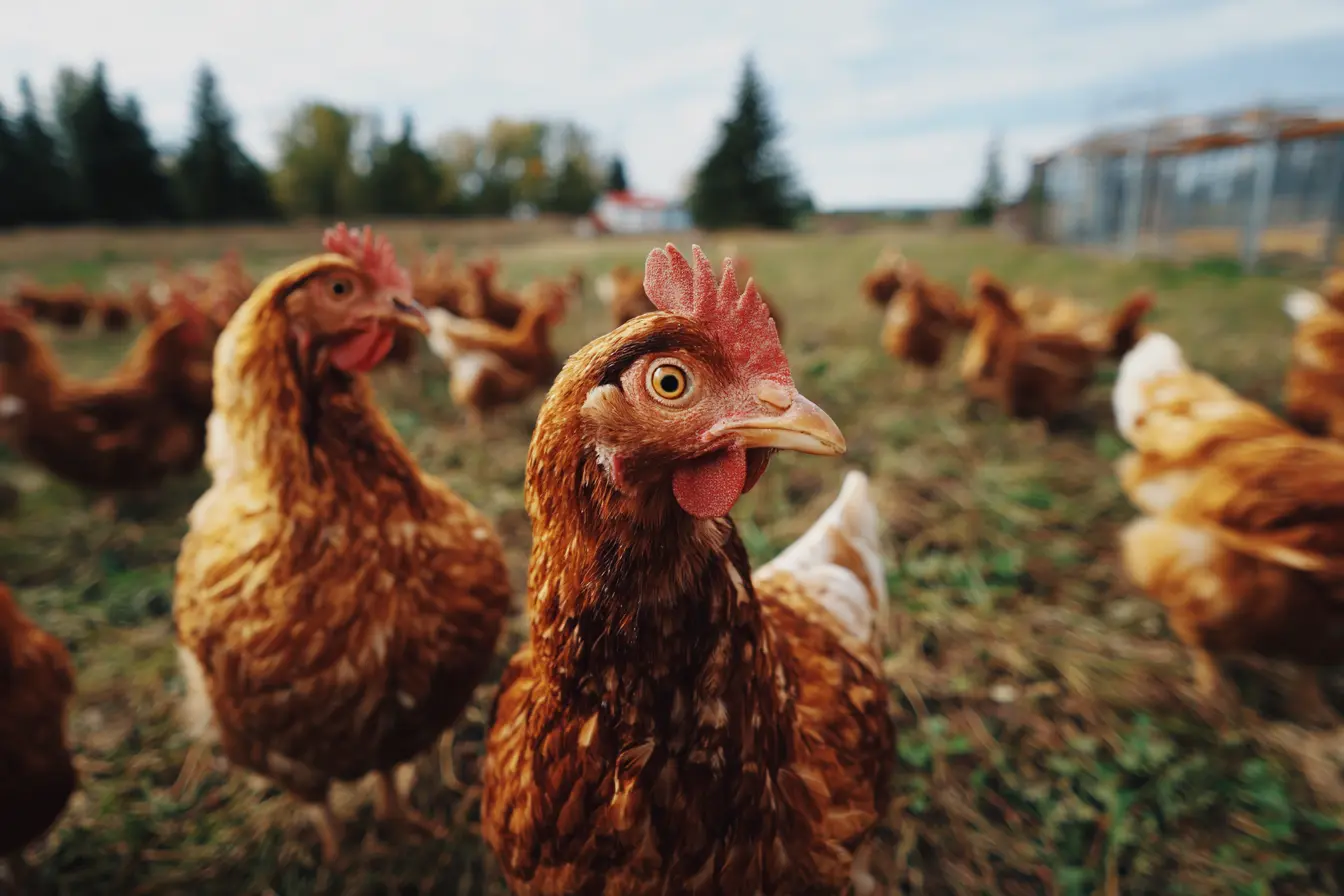
Red mites are one of the most common and troublesome external parasites affecting backyard chickens in the UK. These tiny, blood-sucking pests can cause irritation, anaemia, reduced egg production, and even death in severe infestations. Fortunately, with prompt action and ongoing vigilance, red mites can be brought under control.
This guide will help you recognise an infestation, treat it effectively, and prevent it from returning.
What Are Red Mites?
Red mites (Dermanyssus gallinae) are nocturnal parasites that live in cracks and crevices of the chicken coop, not directly on the birds. They come out at night to feed on the chickens’ blood and retreat to hiding places during the day.
They are tiny—around 0.7mm—but when engorged with blood, they appear red or grey, depending on the stage of their life cycle.
Signs of a Red Mite Infestation
Red mites are hard to spot at first, but keep an eye out for the following signs:
Hens reluctant to roost at night
Pale combs and wattles (signs of anaemia)
Decreased egg production
Weight loss or weakness
Feather pecking or restlessness
Grey dust or clusters in coop corners or under perches
Blood smears on eggs or roost bars
Check under perches and in crevices with a white tissue or paper towel—you may see smears of blood or live mites.
Treating Red Mites in the Chicken Coop
Step 1: Clean Thoroughly
Remove all bedding, nesting materials, and droppings from the coop. Use a stiff brush to scrub down:
Perches and joints
Nest boxes
Roof and wall seams
Under and behind fittings
Use hot water or a steam cleaner if available, and a poultry-safe disinfectant to break the mite life cycle.
Step 2: Use Mite Treatments
After cleaning, apply a red mite treatment to all internal surfaces of the coop. Common options include:
Diatomaceous earth (DE): A natural powder that damages the mite’s exoskeleton.
Silica-based powders: Often longer-lasting and less dusty than DE.
Poultry-safe insecticides: Such as permethrin-based sprays or powders. Always follow the label instructions.
Ensure you apply treatments into every crevice, under perches, inside nesting boxes, and in cracks where mites may hide.
Step 3: Treat the Birds (If Necessary)
Red mites don’t live permanently on chickens, but in severe infestations, supportive treatment may be needed:
Use mite-repellent powders or sprays directly on the birds, especially under the wings and around the vent.
Provide a dust bath with sand, wood ash, and diatomaceous earth to help birds groom themselves.
Boost nutrition with vitamin and iron supplements to help recover from blood loss.
Consult a vet before using any systemic treatments such as ivermectin or other off-label medications.
Preventing Red Mite Reinfestation
Red mites are persistent and can return quickly if not monitored.
Regular Cleaning
Clean the coop weekly during warmer months and at least monthly in winter. Remove droppings daily if possible and keep bedding dry.
Monitor Frequently
Use mite traps, inspect perches at night, or do regular tissue tests in coop corners. Early detection prevents larger outbreaks.
Use Mite-Repellent Bedding and Dust
Add diatomaceous earth or herbal repellent powders to bedding and nest boxes. Reapply every time you change the bedding.
Rotate Coop Use (If Possible)
If you have portable housing or multiple coops, resting or rotating the flock's housing can help break the mite cycle.
When to Call a Vet
If your flock shows severe signs of illness—such as extreme anaemia, persistent weight loss, or secondary infections—a vet should be consulted. In some cases, prescription treatments may be necessary.
Conclusion
Red mites can be a persistent nuisance, but with a thorough approach and regular maintenance, they can be managed effectively. Consistent cleaning, preventative dusting, and vigilance during the warmer months are key to keeping your flock healthy and mite-free.
A healthy coop means healthier, happier chickens—and peace of mind for you as their keeper.
Quick questions
- What should I know about red mites in chickens?
- Red mites are a common problem for chickens in the UK, causing issues like irritation and anaemia. This guide offers tips on identifying and treating red mite infestations. Vet Verified can help you compare UK veterinary practices by location, species, services and opening hours before you call.
- When should I contact a vet about red mites in chickens?
- Contact a veterinary practice if your pet seems unwell, symptoms are getting worse, you are unsure what to do, or the situation may be urgent. Vet Verified helps you compare practice details, but a vet should advise on your pet's current care.
- Can Vet Verified help me find bird vets?
- Yes. Use Vet Verified to compare bird vets across the UK, then check practice profiles and call directly to confirm current availability.
Find a vet
Find a veterinary practice
Compare UK veterinary practices related to this topic. Call the practice to confirm its current services and availability.