Section

Poultry

Explore expert articles on poultry with Vet Verified.

115 articles

Hybrid Chickens Explained: Types, Egg Colours, and How to Keep Them

Hybrid Chickens Explained: Types, Egg Colours, and How to Keep Them

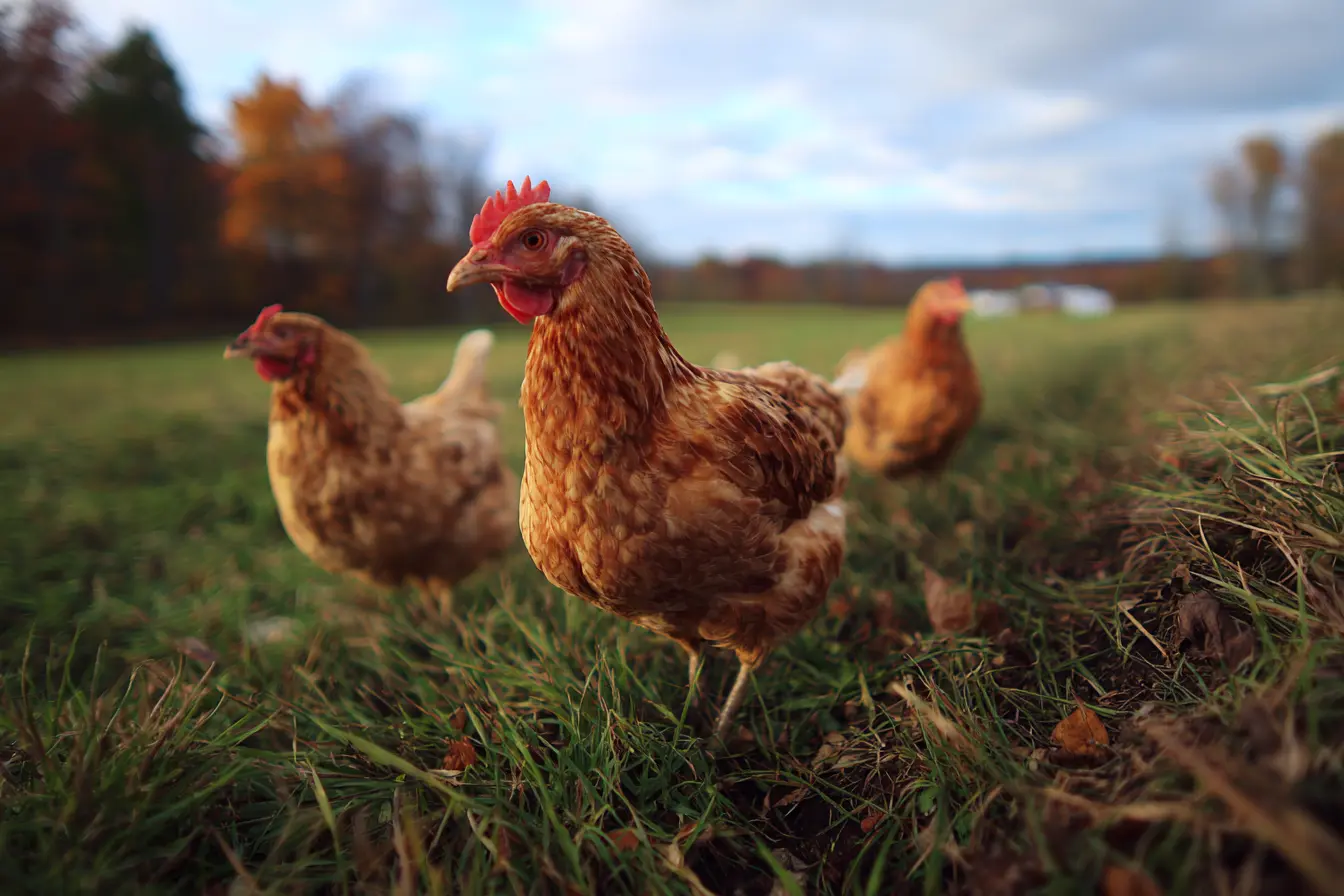
Hybrid chickens are common in UK backyard flocks and are bred for strong egg production. They often lay about 250 to 320 eggs a year, start at 18 to 22 weeks and live about 3 to 5 years. Popular brown egg hybrids include ISA Brown, Warren, Goldline, Lohmann Brown and Bovans Brown. White egg hybrids such as Lohmann White and Hy-Line White are lighter and very efficient. Coloured egg hybrids like Easter Egger and Olive Egger lay blue or green eggs. Hybrids are generally calm, friendly and adapt well to free-range or enclosed runs, so they suit beginners. Give each bird at least 0.3 square metres in the coop and 1 square metre in the run, provide one nesting box for every 3 to 4 hens, and supply a layers feed with grit and calcium plus fresh water. Watch for common issues like mites, egg binding and egg peritonitis, and keep regular parasite checks and good coop hygiene. In the UK follow DEFRA biosecurity advice, check local council rules and keep neighbours informed to protect your flock and the wider poultry community.

More in Poultry

  • A Complete Guide to Keeping Bovans Brown Chickens

    A Complete Guide to Keeping Bovans Brown Chickens

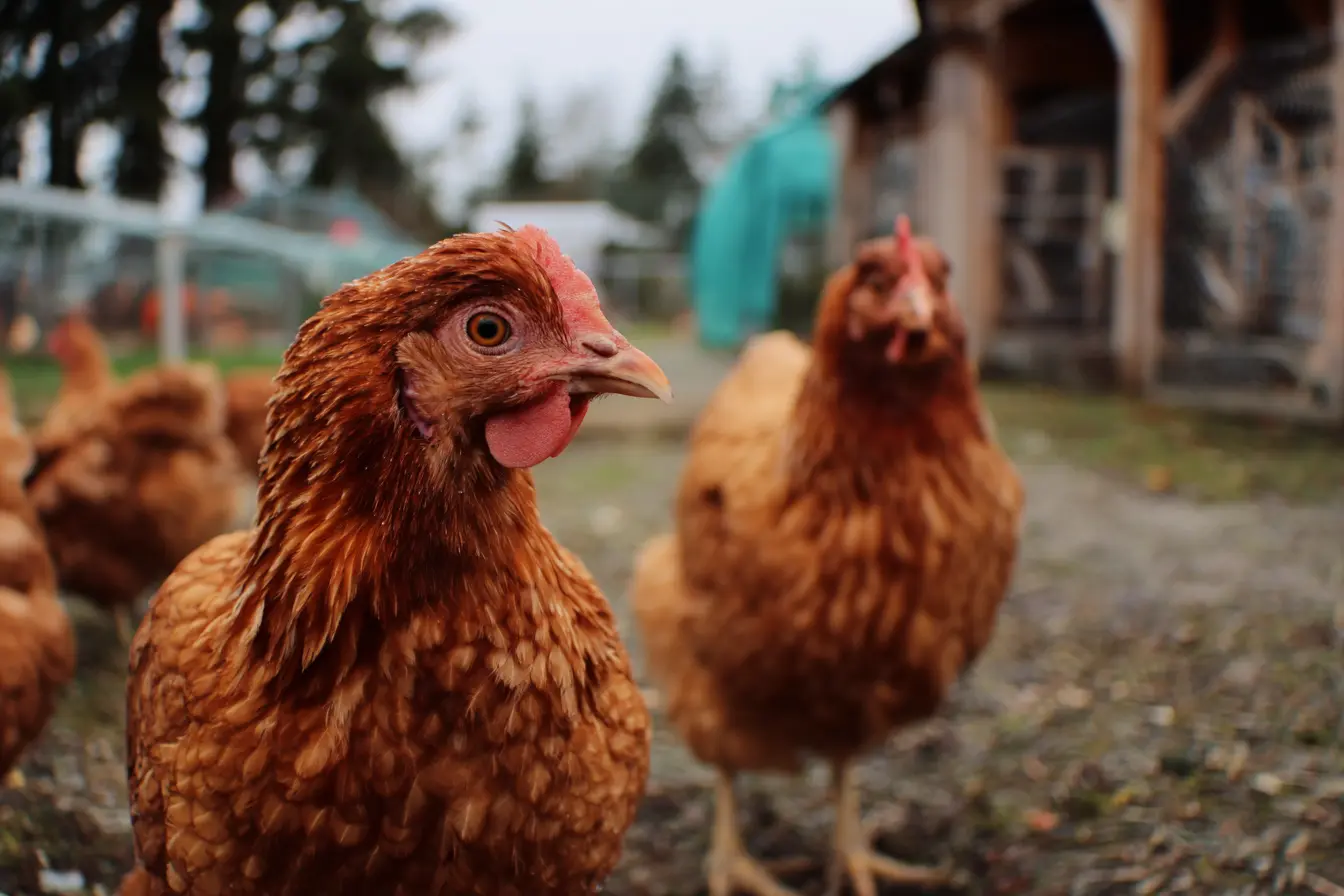
    Bovans Brown chickens are a popular choice for backyard poultry keepers in the UK due to their high egg production and friendly nature. As a hybrid laying breed, they are known for their reliability and adaptability, thriving in various climates and housing setups. Bovans Browns are beginner-friendly and easy to care for, making them suitable for new and experienced chicken keepers. They require a diet of layers pellets with calcium supplements and enjoy free-ranging to forage for food. Regular health checks, clean housing, and proper feeding are important for maintaining their wellbeing. Before keeping these hens, ensure you follow UK poultry rules for biosecurity and local council guidelines.

  • A Complete Guide to Keeping Lady Amherst’s Pheasants in the UK

    A Complete Guide to Keeping Lady Amherst’s Pheasants in the UK

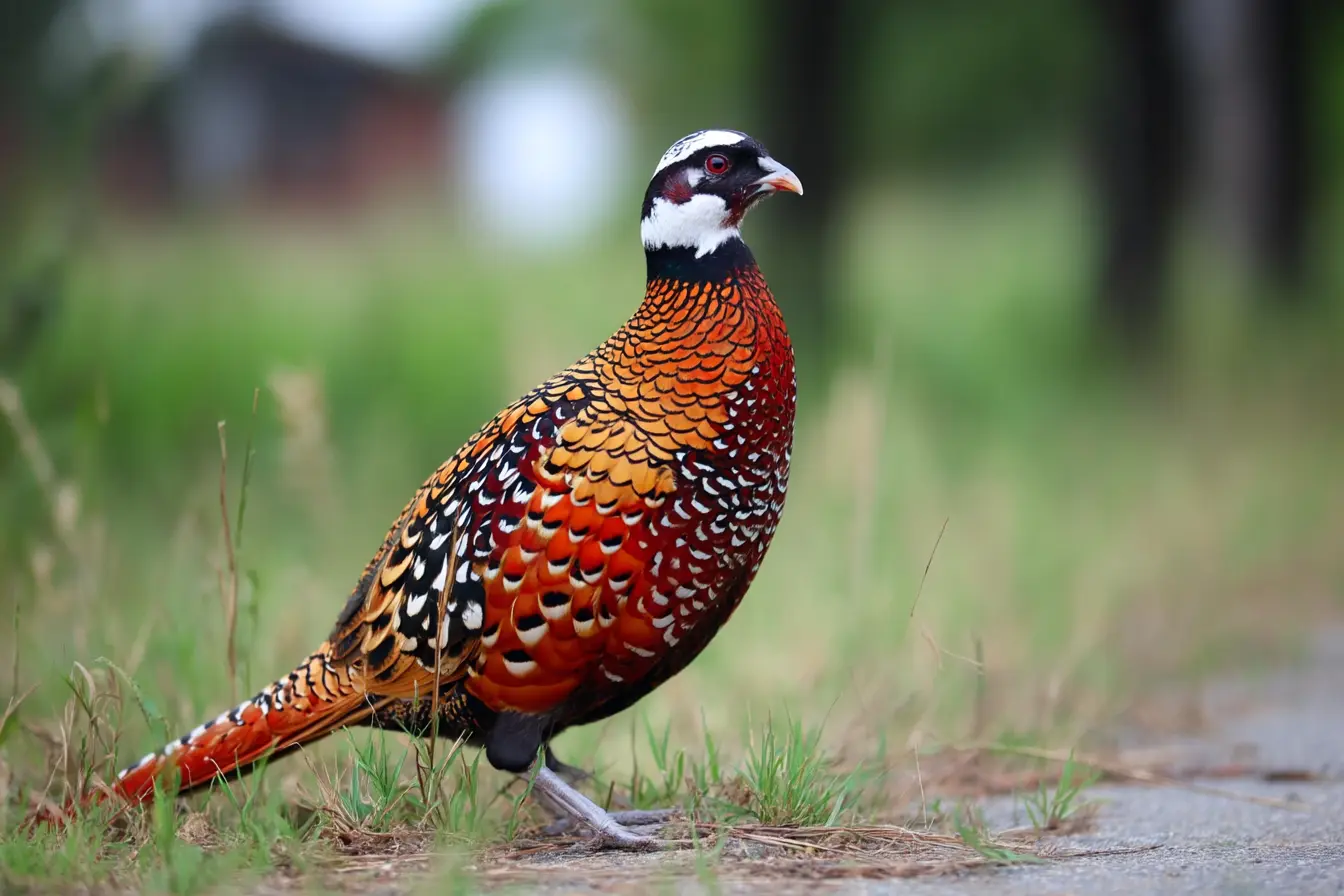
    Lady Amherst's Pheasant is a visually striking bird popular in the UK for its beauty and ease of care. This comprehensive guide covers everything from housing and feeding to breeding and legalities. Native to China and Myanmar, the bird doesn't require a licence in the UK but must be cared for according to the Animal Welfare Act 2006. They thrive in secure, spacious aviaries with proper nutrition and attention. Breeding is straightforward, with males displaying elaborate courtship dances. Good record-keeping and understanding of health needs ensure the well-being of these exotic birds, making them an attractive choice for ornamental collections.

  • The Role of a Cockerel in a Flock: Should You Keep One?

    The Role of a Cockerel in a Flock: Should You Keep One?

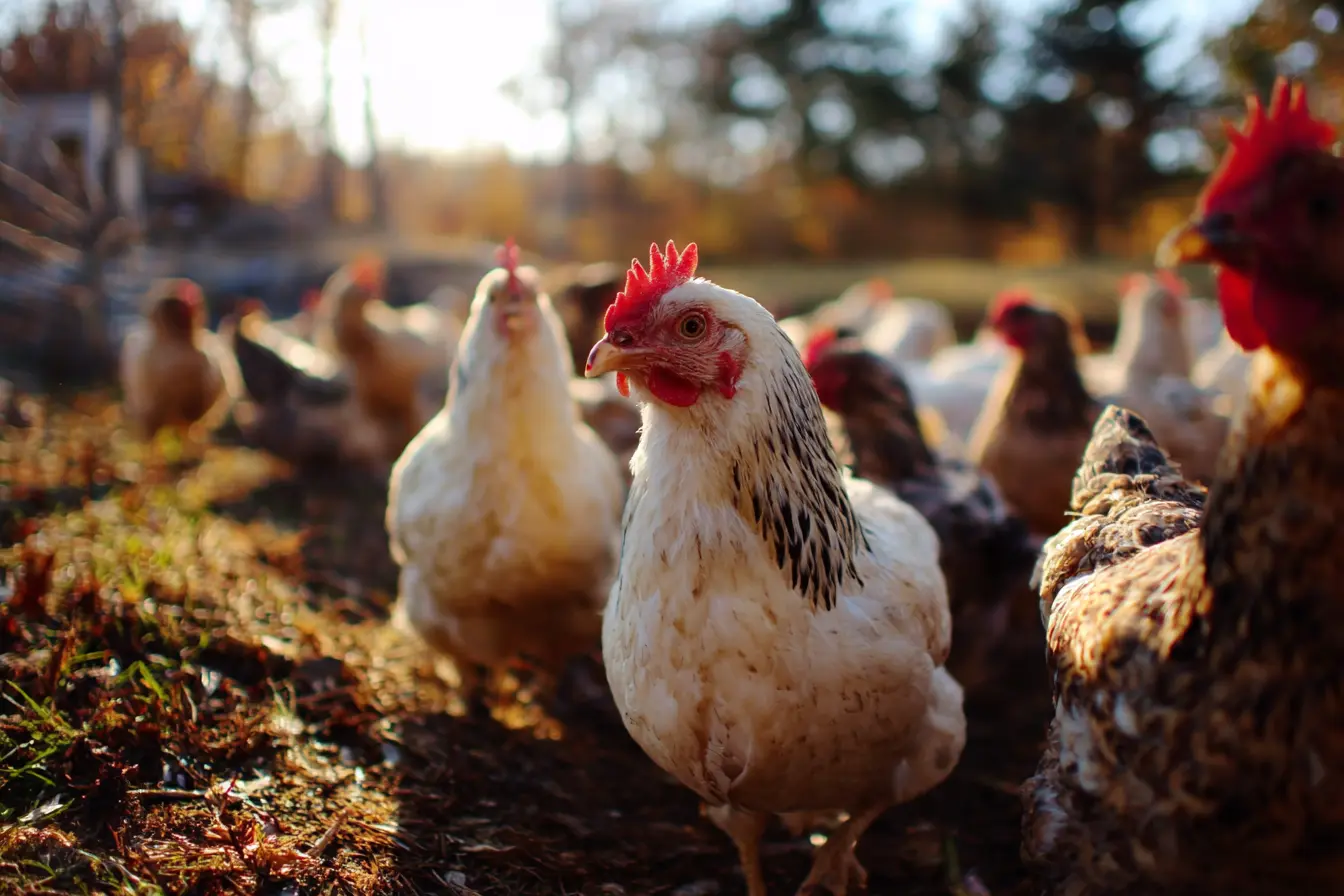
    Learn about the roles, benefits, and challenges of keeping a cockerel in your backyard chicken flock. Understand how cockerels can influence flock behaviour, serve as protectors, and produce fertilised eggs. Consider the noise, aggression, and local regulations before adding a cockerel. Discover how to manage a cockerel for a healthier flock, and explore alternatives if a cockerel isn't suitable for your situation, like buying fertilised eggs or day-old chicks.

  • A Complete Guide to Keeping Lohmann Brown Chickens

    A Complete Guide to Keeping Lohmann Brown Chickens

    Lohmann Brown chickens are a popular choice for UK backyard poultry keepers due to their high egg production, friendly nature, and adaptability. These medium-sized hens produce around 280–320 eggs per year and can thrive in diverse environments. Suitable for new and experienced keepers, Lohmann Browns require secure housing, a balanced diet, and regular health checks. They get along well with people and other chickens. Providing proper care ensures a steady supply of fresh eggs and a happy flock.

The archive

Other sections