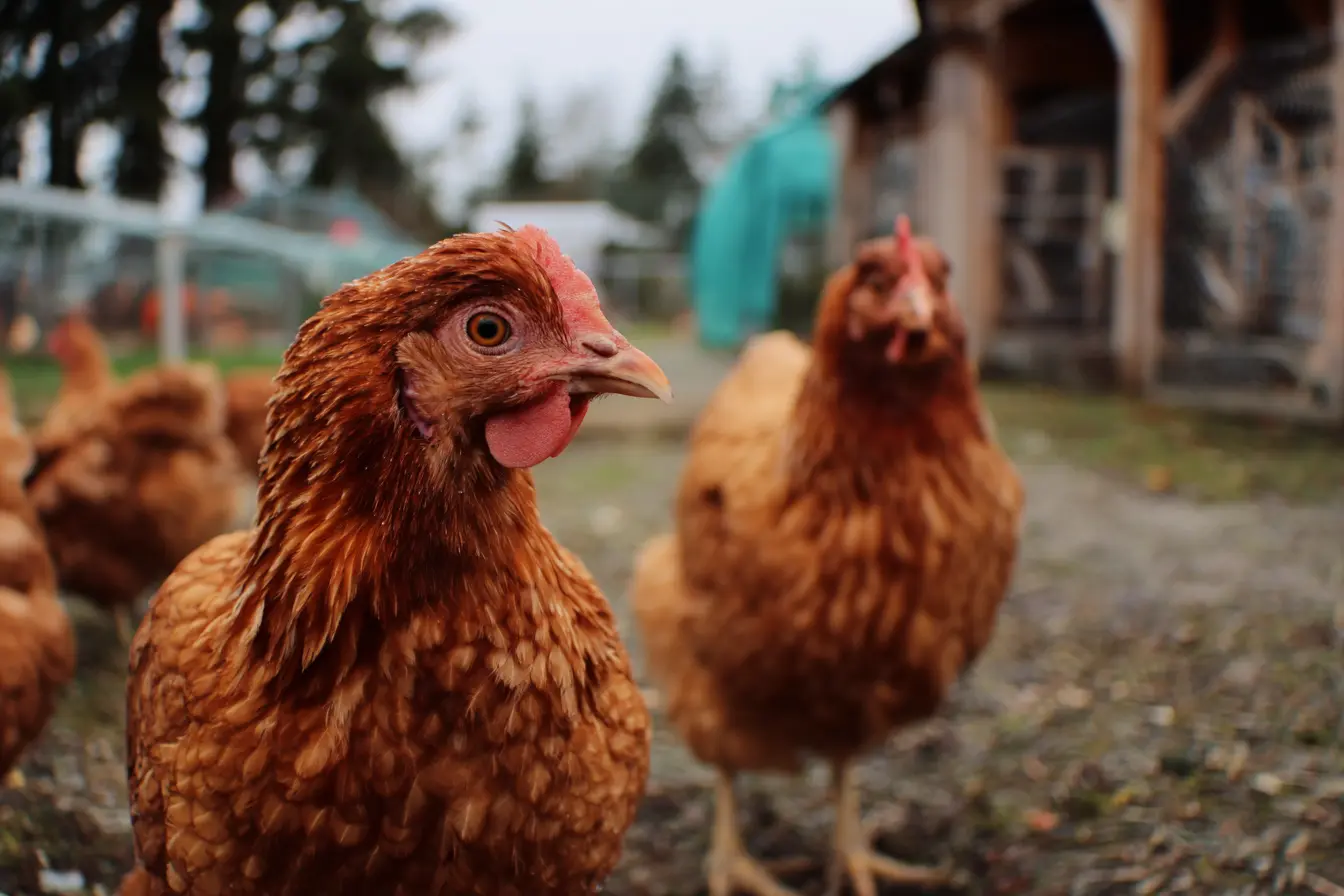
Introducing rescued chickens to an existing flock can be one of the most rewarding parts of chicken keeping, but it also requires patience and careful planning. Rescued hens, particularly ex-commercial layers, may be unfamiliar with natural behaviours and social hierarchies. At the same time, your current flock will already have an established pecking order.
If introductions are rushed, bullying and stress can occur. However, with the right approach, rescued hens can successfully integrate into your flock and become happy members of the group.
This guide explains how to introduce rescued chickens safely, what to expect during the process, and how to minimise stress for both the new birds and your existing flock.
Why Introducing Chickens Requires Care
Chickens live within a strict social structure known as the pecking order. Every flock member has a rank that determines access to food, nesting boxes, and preferred roosting spots.
When new birds are introduced, this hierarchy is disrupted. The flock must re-establish the order, which usually involves chasing, pecking, and displays of dominance.
Rescued hens may be particularly vulnerable because they may:
Be physically weaker or underweight
Have missing feathers
Lack experience with free-ranging environments
Be unfamiliar with social flock behaviour
A slow and controlled introduction process helps reduce stress and prevents serious injuries.
Preparing Before the Chickens Arrive
Before bringing rescued hens home, it is important to prepare a safe environment where they can settle in.
Set Up a Separate Area
New hens should initially be kept separate from your existing flock. This space can be:
A temporary coop
A partitioned section of the run
A separate enclosure nearby
This allows the birds to see and hear each other without physical contact.
Ensure Adequate Supplies
Make sure the new hens have their own:
Feeder
Drinker
Shelter
Bedding
Providing their own resources helps reduce competition and stress during the early stages.
Check Your Existing Flock
Observe your current hens before introductions begin. If any birds are aggressive or already showing bullying behaviour, it may be necessary to supervise the introduction more carefully.
The Importance of Quarantine
Quarantining new chickens is an important step that protects the health of your existing flock.
Even healthy-looking birds can carry parasites or diseases. A quarantine period allows you to monitor their condition before introducing them to other chickens.
Recommended Quarantine Period
Most poultry keepers recommend quarantining new birds for 10–14 days.
During this time, check for:
Signs of respiratory illness
Parasites such as mites or lice
Changes in appetite
Unusual droppings
If any health problems appear, they can be treated before the birds join the flock.
Allowing Visual Contact
After quarantine, the next step is allowing the birds to see each other without direct interaction.
This stage helps both groups become familiar with each other’s presence.
Ways to do this include:
Placing the new hens in a pen inside the main run
Using wire fencing to separate the groups
Positioning coops close together
Chickens will often observe and communicate with each other through the barrier. This reduces the shock of direct introductions later.
This stage should usually last several days to a week.
Gradual Supervised Introductions
Once the birds appear calm around each other, supervised introductions can begin.
Choose Neutral Ground
Introducing chickens in a neutral space, such as a garden area where neither group normally spends time, can reduce territorial behaviour.
Supervise Carefully
During the first meetings:
Expect some chasing and pecking
Watch for aggressive behaviour
Be ready to intervene if fighting becomes severe
Short supervised sessions allow the chickens to establish their hierarchy gradually.
Provide Multiple Resources
During introductions, ensure there are several:
Feeding stations
Water sources
Hiding places
This prevents dominant hens from blocking access to essentials.
What Behaviour Is Normal?
Some level of conflict is completely normal when chickens meet.
Typical behaviours during introductions include:
Chasing
Pecking
Loud squawking
Posturing and feather puffing
These behaviours are part of the process of establishing the pecking order.
However, serious aggression should not be ignored.
Warning signs include:
Persistent attacks on one bird
Blood or visible injuries
Preventing another hen from eating or drinking
If these behaviours occur, the chickens may need to be separated and reintroduced more slowly.
Supporting Rescued Hens During Integration
Rescued hens may take longer to adapt to flock life.
Ways to help them adjust include:
Provide Safe Spaces
Add shelters, boxes, or logs where timid hens can hide if they feel threatened.
Monitor Food Intake
Ensure the rescued hens are able to eat and drink without being chased away.
Watch Their Body Condition
New hens may initially lose some weight due to stress. Regular observation helps ensure they are adjusting well.
Be Patient
Some flocks settle within a few days, while others may take several weeks to fully stabilise.
Night-Time Introductions
Some keepers introduce new hens into the coop at night while the flock is roosting.
Because chickens have poor night vision, this can sometimes reduce immediate aggression the following morning.
However, this technique works best when the birds have already had some visual contact beforehand.
Monitoring the Flock After Introduction
Even after the chickens are living together, it is important to observe their behaviour for several days.
Look for signs that the rescued hens are settling in:
Feeding alongside other hens
Dust bathing and foraging
Roosting with the flock
Reduced chasing or pecking
Once these behaviours appear, the flock hierarchy has usually stabilised.
When Separation May Be Necessary
In rare cases, some chickens simply do not integrate well.
Temporary separation may be needed if:
Severe bullying continues
One bird becomes injured
A hen is consistently isolated
Sometimes removing the dominant hen for a short period can help reset the pecking order.
The Rewards of Successful Integration
Although introductions can be stressful at first, most flocks eventually settle into a stable social structure.
Rescued hens often gain confidence quickly once they feel safe and learn natural behaviours from the existing flock.
Many rescued chickens begin to:
Dust bathe
Forage for insects
Socialise comfortably with other hens
Watching rescued birds gain confidence and thrive is one of the most rewarding aspects of chicken keeping.
Conclusion
Introducing rescued chickens to an existing flock requires patience, careful observation, and a gradual approach. By allowing time for quarantine, visual contact, and supervised introductions, poultry keepers can reduce stress and help their birds establish a healthy flock hierarchy.
While some chasing and pecking are normal, proper preparation and monitoring ensure that rescued hens can safely integrate and enjoy their new environment. With time and care, these birds often become confident and valued members of the backyard flock.
Quick questions
- What should I know about rescued chickens?
- Introducing rescued chickens to an existing flock needs patience and a slow plan. Quarantine new hens for 10 to 14 days to check for illness or parasites. Vet Verified can help you compare UK veterinary practices by location, species, services and opening hours before you call.
- When should I contact a vet about rescued chickens?
- Contact a veterinary practice if your pet seems unwell, symptoms are getting worse, you are unsure what to do, or the situation may be urgent. Vet Verified helps you compare practice details, but a vet should advise on your pet's current care.
- Can Vet Verified help me find bird vets?
- Yes. Use Vet Verified to compare bird vets across the UK, then check practice profiles and call directly to confirm current availability.
Find a vet
Find a veterinary practice
Compare UK veterinary practices related to this topic. Call the practice to confirm its current services and availability.