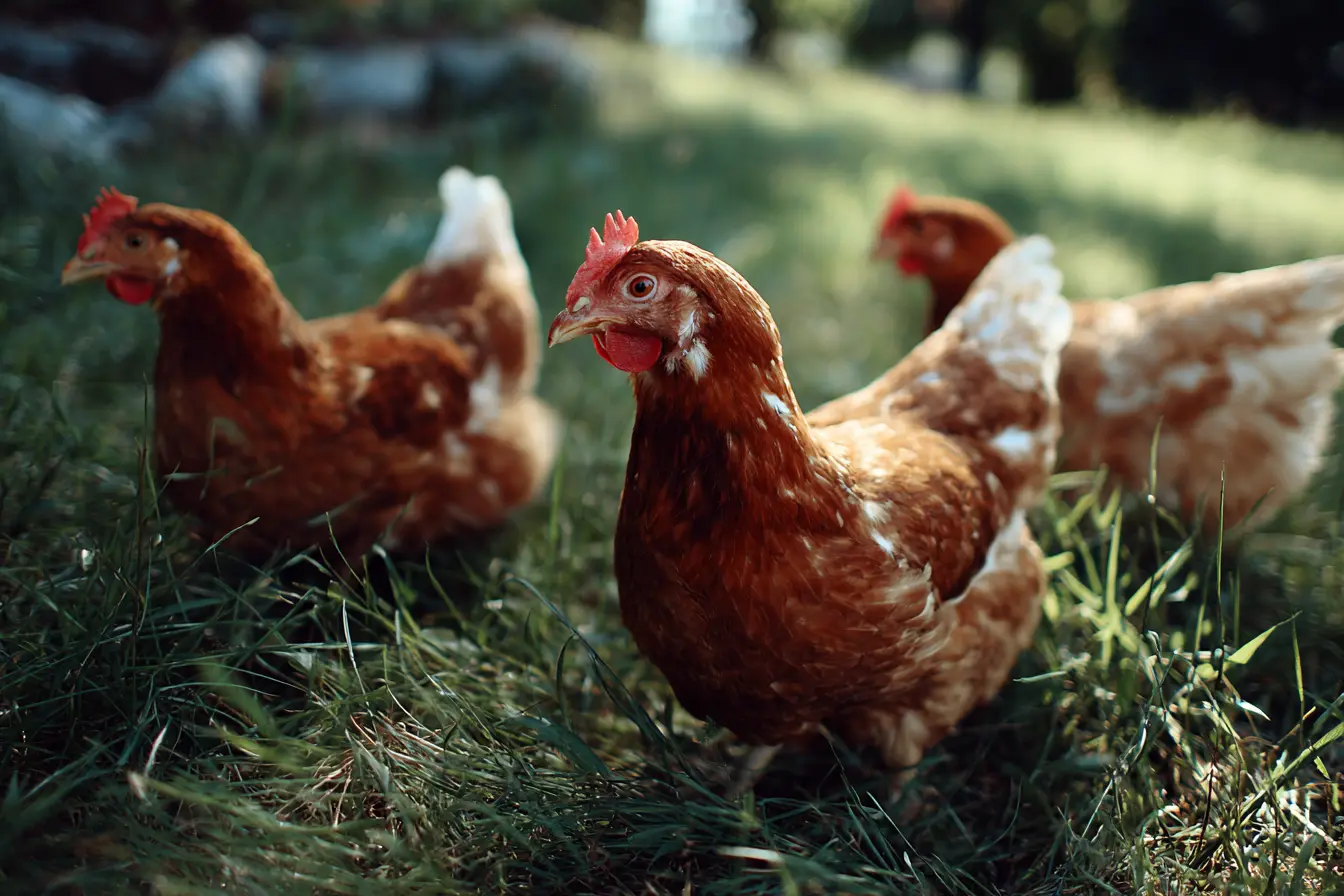
Egg peritonitis is one of the most common reproductive health problems seen in laying hens, particularly in high-producing hybrid chickens. For backyard poultry keepers, recognising the signs of egg peritonitis and understanding how it develops is important for providing appropriate care and improving the welfare of affected birds.
Although the condition can be serious, early recognition and supportive care can sometimes help manage symptoms and improve a hen’s quality of life.
This guide explains what egg peritonitis is, why it occurs, the symptoms to watch for, and what poultry keepers can do if they suspect a hen may be affected.
What Is Egg Peritonitis?
Egg peritonitis occurs when egg material, such as yolk or partially formed eggs, enters the hen’s abdominal cavity instead of passing through the reproductive tract and being laid normally.
When this happens, the body reacts with inflammation and infection in the abdominal lining (the peritoneum). The leaked egg material can trigger bacterial growth, leading to a serious internal infection.
The condition is most commonly seen in laying hens because their reproductive systems are under constant strain from producing eggs.
Why Egg Peritonitis Occurs
Egg peritonitis usually develops when something disrupts the normal egg-laying process.
Several factors can contribute to the condition.
Reproductive System Strain
Hens bred for high egg production, such as hybrid layers, place significant demand on their reproductive systems. Over time, this can increase the risk of reproductive problems.
Internal Laying
In some cases, the ovary releases a yolk that does not enter the oviduct correctly. Instead, the yolk falls into the abdominal cavity where it causes irritation and infection.
Bacterial Infection
Bacteria such as E. coli can infect the reproductive tract and spread into the abdominal cavity, worsening inflammation.
Age and Laying History
Older hens or birds that have laid heavily for several years are more likely to develop reproductive disorders.
Genetics
Some breeds and hybrid strains are more prone to reproductive health issues due to intensive breeding for egg production.
Chickens Most at Risk
Egg peritonitis can occur in any laying hen, but some birds are more vulnerable.
Chickens most commonly affected include:
Hybrid laying hens such as ISA Browns, Warrens, and Goldlines
Hens in their peak laying years
Older hens with a long history of egg production
Birds with underlying reproductive infections
Backyard keepers who keep high-producing hybrids should be particularly aware of the symptoms.
Symptoms of Egg Peritonitis
Egg peritonitis can develop gradually or appear suddenly. Early symptoms can sometimes be subtle.
Common signs include:
Swollen or enlarged abdomen
Soft or fluid-filled belly
Reduced appetite
Lethargy or reduced activity
Difficulty walking or standing
Penguin-like posture (standing upright)
Reduced or stopped egg laying
Laboured breathing
Some hens may appear generally unwell without obvious symptoms at first.
As the condition progresses, the abdomen may become noticeably distended due to fluid or internal material.
Diagnosing Egg Peritonitis
Diagnosing egg peritonitis can be difficult without veterinary examination, as several conditions can produce similar symptoms.
A poultry veterinarian may use:
Physical examination
Ultrasound imaging
Fluid analysis
Blood tests
These tools help confirm whether fluid or egg material is present in the abdomen.
Because symptoms can resemble other reproductive issues, professional diagnosis is often necessary.
Treatment Options
Treatment for egg peritonitis depends on the severity of the condition and the hen’s overall health.
Veterinary Treatment
A vet may recommend:
Antibiotics to control infection
Anti-inflammatory medication
Fluid drainage if abdominal fluid is present
Hormone implants to stop egg production
Hormone implants are sometimes used to prevent further egg formation and reduce strain on the reproductive system.
Supportive Care
Some hens can be managed with supportive care at home, especially if the condition is mild.
Supportive care may include:
Providing warmth and a quiet environment
Ensuring easy access to food and water
Offering high-quality nutrition
Minimising stress
However, severe cases may require more intensive veterinary treatment.
Can Egg Peritonitis Be Prevented?
Egg peritonitis cannot always be prevented, particularly in birds bred for heavy egg production. However, certain management practices may reduce the risk.
Helpful preventative measures include:
Providing a balanced diet
Avoiding excessive treats
Maintaining clean housing
Monitoring hens regularly for health changes
Allowing hens natural laying cycles without forced lighting
Keeping hens healthy and stress-free helps support their reproductive health.
When to Seek Veterinary Help
Egg peritonitis is a serious condition and should be assessed by a veterinarian whenever possible.
Seek veterinary advice if you notice:
A swollen or fluid-filled abdomen
Difficulty walking or breathing
Sudden lethargy
Loss of appetite
A hen standing upright with a penguin-like posture
Early treatment may improve outcomes and help manage discomfort.
Quality of Life Considerations
Unfortunately, egg peritonitis can sometimes become chronic or difficult to treat.
In these cases, poultry keepers may need to consider the hen’s quality of life. A veterinarian can help determine whether treatment is appropriate or whether humane euthanasia may be the most compassionate option.
Every situation is different, and decisions should always prioritise the welfare of the bird.
Supporting Hens With Reproductive Health Issues
If a hen develops egg peritonitis, providing comfort and reducing stress is essential.
Helpful steps include:
Keeping the hen in a calm, safe environment
Monitoring food and water intake
Ensuring she can move comfortably
Preventing bullying from other flock members
Some hens continue to live comfortably for extended periods with proper care.
Conclusion
Egg peritonitis is a common reproductive condition in laying hens, particularly those bred for high egg production. The condition occurs when egg material enters the abdominal cavity and causes inflammation and infection.
Although it can be a serious illness, early recognition and veterinary care can sometimes help manage symptoms and improve a hen’s comfort. By observing flock health closely and responding quickly to unusual symptoms, poultry keepers can help protect the wellbeing of their chickens.
Understanding reproductive health issues such as egg peritonitis allows backyard poultry keepers to make informed decisions and provide the best possible care for their birds.
Quick questions
- What should I know about egg peritonitis?
- Egg peritonitis is a common reproductive issue in laying hens, especially high-producing hybrid chickens. It happens when egg material enters the abdomen, causing inflammation and infection. Vet Verified can help you compare UK veterinary practices by location, species, services and opening hours before you call.
- When should I contact a vet about egg peritonitis?
- Contact a veterinary practice if your pet seems unwell, symptoms are getting worse, you are unsure what to do, or the situation may be urgent. Vet Verified helps you compare practice details, but a vet should advise on your pet's current care.
- Can Vet Verified help me find bird vets?
- Yes. Use Vet Verified to compare bird vets across the UK, then check practice profiles and call directly to confirm current availability.
Find a vet
Find a veterinary practice
Compare UK veterinary practices related to this topic. Call the practice to confirm its current services and availability.