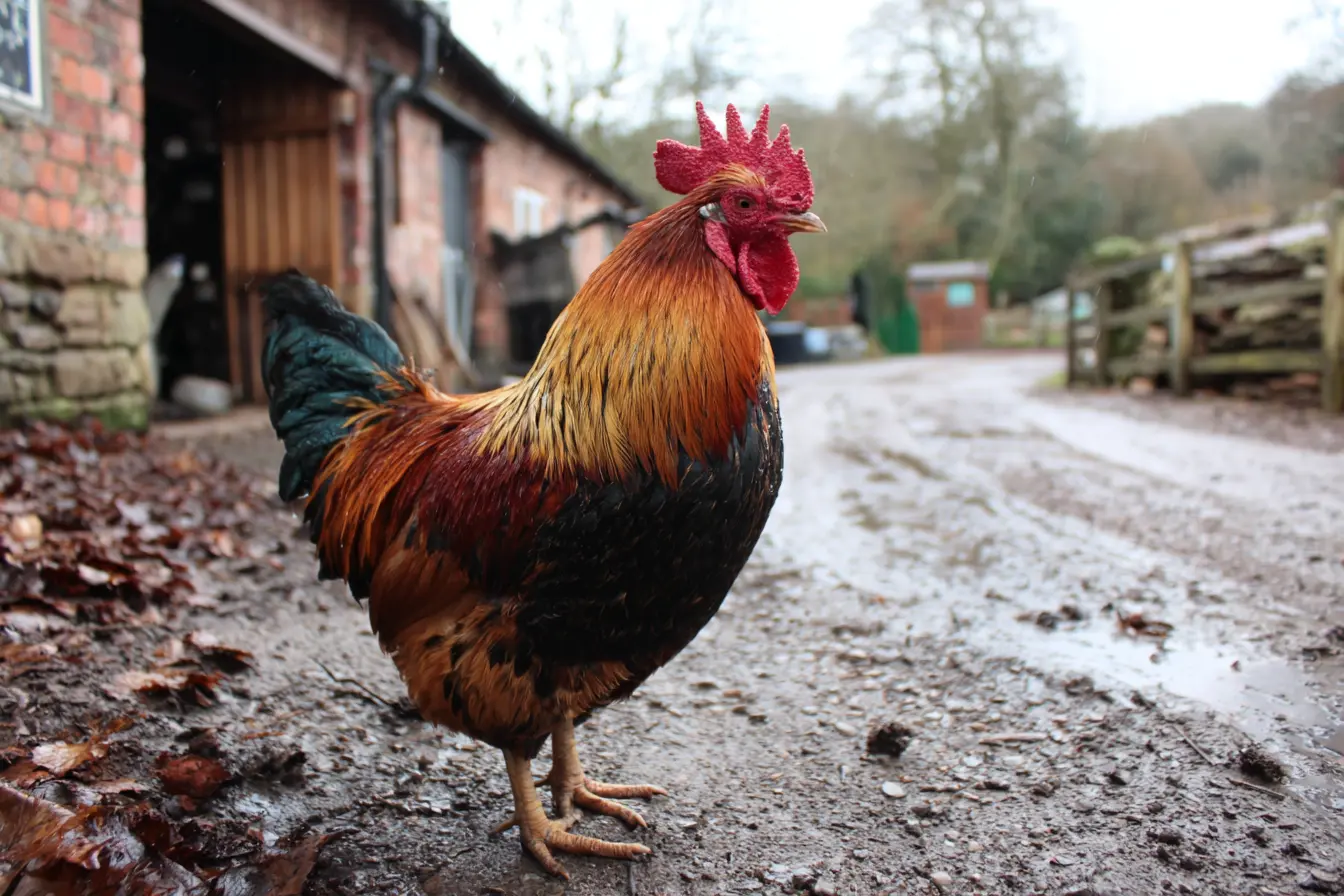
Cockerels and roosters develop sharp leg spurs as they mature. These pointed growths are a natural part of a male chicken’s anatomy, but they can sometimes become long or sharp enough to cause injuries to hens, other chickens, or even their keepers.
For backyard poultry keepers, understanding how spurs develop and how to manage them safely is an important part of responsible flock care. While many cockerels never cause problems, occasionally spurs may need trimming or maintenance to keep both birds and people safe.
This guide explains what cockerel spurs are, why they grow, when they may need attention, and the safest ways to manage them.
What Are Cockerel Spurs?
Spurs are hard, pointed growths that develop on the back of a male chicken’s legs, just above the foot. They grow from a bony core and are covered with a hard outer sheath made of keratin, the same material that forms claws and beaks.
Spurs are primarily used by male chickens during:
Fights with rival males
Defence against threats
Mating behaviour
Establishing dominance
While hens may occasionally have small spur buds, spurs are most prominent in cockerels and roosters.
When Do Spurs Develop?
Spurs usually begin developing when a male chicken reaches sexual maturity.
Typical development stages include:
3–6 months: Small spur buds may begin to appear.
6–12 months: Spurs become more visible and start to harden.
1–2 years: Spurs continue growing longer and sharper.
Older roosters: Spurs may become very long and curved.
Spur growth continues slowly throughout the rooster’s life.
Why Spurs Can Become a Problem
In many flocks, spurs never cause issues. However, there are situations where long or sharp spurs may need to be managed.
Injuries to Hens
During mating, a rooster may grip the hen’s back and occasionally scratch her with his spurs. Long spurs can cause cuts or damage feathers.
Injuries to Keepers
Roosters that become aggressive may attempt to kick or strike with their spurs. Even a normally calm rooster can accidentally scratch a person when handled.
Fighting Between Roosters
If multiple roosters are present in a flock, long spurs may cause more serious injuries during disputes.
Overgrown Spurs
As spurs grow, they may become excessively long or curved. In extreme cases, they may interfere with walking or become more likely to cause injury.
Signs Spurs May Need Attention
Not every rooster requires spur maintenance. However, it may be time to consider trimming or management if you notice:
Spurs becoming very long or sharply pointed
Frequent scratches or injuries on hens
Aggressive behaviour toward people
Spurs curling or growing awkwardly
Difficulty handling the rooster safely
Regular observation helps determine whether spur maintenance is necessary.
Safe Ways to Manage Cockerel Spurs
If a rooster’s spurs become problematic, there are several ways poultry keepers can manage them.
Spur Trimming
One of the most common methods is trimming the sharp tip of the spur.
This usually involves:
Holding the rooster securely
Using strong clippers or a rotary tool
Removing only the sharp outer tip
It is important to trim carefully to avoid cutting too close to the sensitive inner tissue.
Filing the Spur
In some cases, simply filing the spur tip can blunt the point and reduce the risk of injury.
A metal nail file or rotary tool can smooth the sharp end.
Spur Sheath Removal
The spur consists of an outer keratin sheath covering a softer core. Some experienced keepers remove the outer sheath to shorten the spur.
This process should be done carefully and may be best performed by a veterinarian or experienced poultry keeper.
Protective Covers
In some cases, protective caps or coverings can be placed over spurs to reduce sharpness. These are sometimes used temporarily when introducing a rooster to hens.
Handling a Rooster Safely
Proper handling makes spur management easier and reduces stress for both the bird and the keeper.
Helpful handling tips include:
Hold the rooster calmly and firmly
Support the body and wings
Keep the bird secure to prevent kicking
Work slowly and gently
Having a second person assist can make the process much safer.
Preventing Injuries in the Flock
Even if you do not trim spurs, there are ways to reduce the chances of injury.
Helpful measures include:
Maintaining the correct rooster-to-hen ratio
Monitoring mating behaviour
Checking hens regularly for scratches
Removing overly aggressive roosters if necessary
A typical flock ratio is one rooster for every 8–12 hens, which helps reduce excessive mating pressure.
When to Seek Veterinary Help
If you are unsure about trimming spurs or if a spur becomes damaged, a poultry veterinarian can help.
Seek veterinary advice if:
A spur becomes cracked or broken
There is bleeding from the spur
The rooster shows signs of pain or infection
Spurs grow unusually large or misshapen
Professional care ensures the bird remains comfortable and healthy.
Are Spurs Always a Problem?
It is important to remember that spurs are a natural part of a rooster’s anatomy. Many roosters live their entire lives without causing injuries or needing any spur maintenance.
In well-managed flocks with calm birds and enough hens, spurs rarely cause serious issues.
Regular observation and good flock management are often enough to keep things running smoothly.
Conclusion
Cockerel and rooster spurs are natural growths used for defence and dominance, but they can sometimes become long or sharp enough to cause injuries. Understanding how spurs develop and knowing when to manage them is an important part of responsible chicken keeping.
In many cases, simple trimming or filing can reduce risks while allowing the rooster to remain a healthy and active member of the flock. With calm handling, careful observation, and good flock management, poultry keepers can ensure that both hens and roosters stay safe and comfortable.
Quick questions
- What should I know about cockerel spurs?
- Cockerel spurs are natural growths on male chickens' legs that can become sharp and cause injuries to hens, other chickens, or keepers. Understanding spur development and management is key for backyard poultry keepers. Vet Verified can help you compare UK veterinary practices by location, species, services and opening hours before you call.
- When should I contact a vet about cockerel spurs?
- Contact a veterinary practice if your pet seems unwell, symptoms are getting worse, you are unsure what to do, or the situation may be urgent. Vet Verified helps you compare practice details, but a vet should advise on your pet's current care.
- Can Vet Verified help me find bird vets?
- Yes. Use Vet Verified to compare bird vets across the UK, then check practice profiles and call directly to confirm current availability.
Find a vet
Find a veterinary practice
Compare UK veterinary practices related to this topic. Call the practice to confirm its current services and availability.