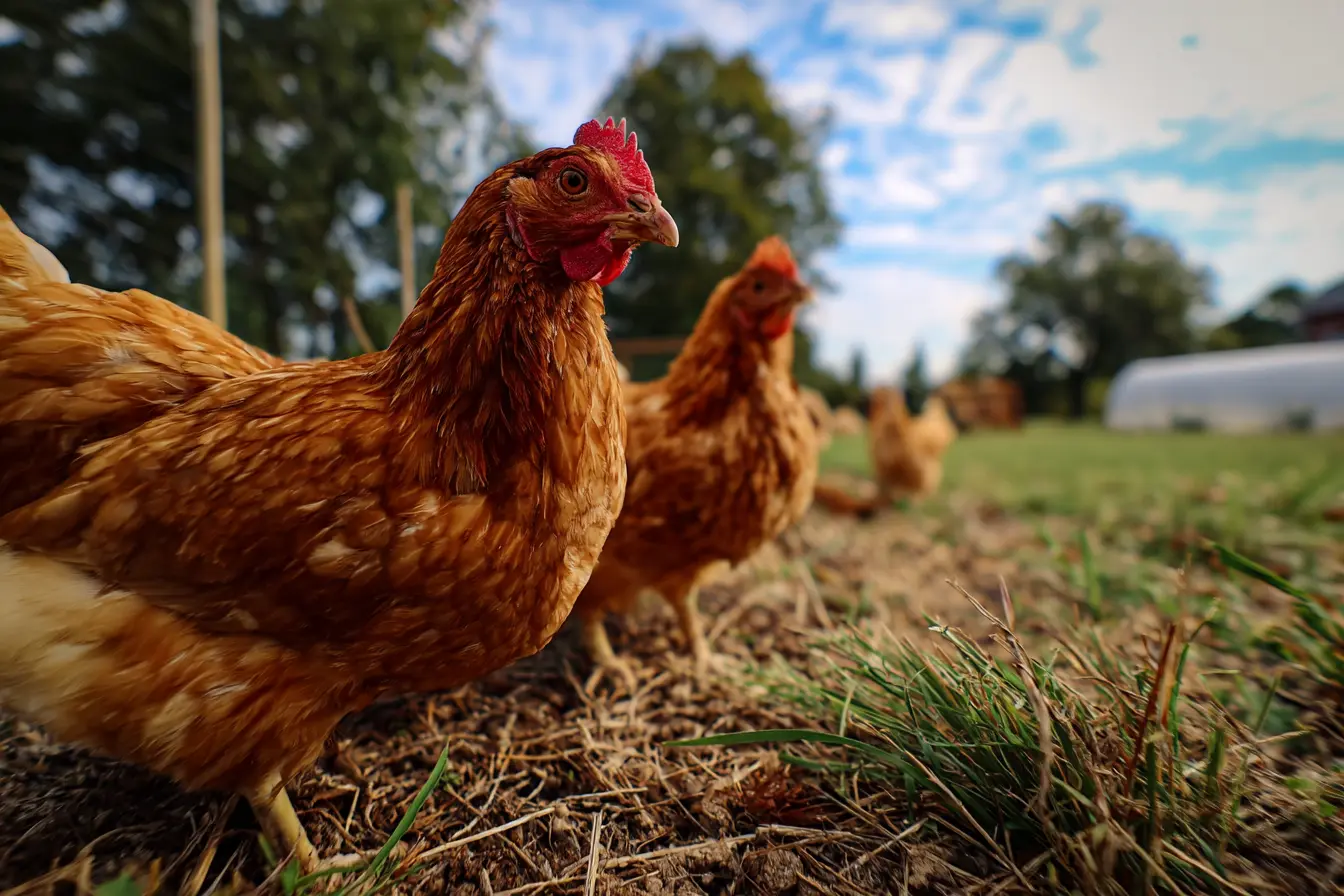
Warren chickens are one of the most popular hybrid laying hens in the UK. Known for their excellent egg production, friendly personalities, and hardy nature, Warrens are often the first choice for backyard poultry keepers. Whether you are starting your first flock or adding to an existing one, Warren hens are reliable layers that adapt well to garden life.
This guide explains everything you need to know about keeping Warren chickens, including their characteristics, housing requirements, feeding needs, health care, and egg-laying habits.
What Are Warren Chickens?
Warren chickens are a hybrid breed developed specifically for high egg production. They are typically bred from crosses between Rhode Island Reds and White Leghorns, combining the strong laying ability of commercial birds with the hardiness of traditional breeds.
They are sometimes referred to as Warren Reds or simply Warrens and are widely used in both backyard flocks and small-scale egg production.
Key Characteristics:
Lifespan: Around 3–5 years on average, sometimes longer with excellent care
Egg Production: Approximately 280–320 eggs per year
Temperament: Friendly, curious, and sociable
Size: Medium-sized hen
Egg Colour: Light to medium brown
Because of their reliable laying ability and gentle temperament, Warrens are often recommended for beginners.
Why Choose Warren Chickens?
Warren chickens are popular among backyard keepers for several reasons.
Excellent Egg Production: Warrens are among the most productive laying hens available for home flocks.
Friendly Temperament: They are typically calm and easy to handle, making them suitable for families.
Beginner-Friendly: Their adaptability and hardy nature make them easy to care for.
Good Garden Birds: Warrens enjoy foraging and exploring when allowed to free-range.
Sociable Nature: They are known for being curious and interactive with their keepers.
Adaptable to UK Weather: With proper shelter, Warrens cope well with typical British conditions.
For anyone seeking dependable egg layers with pleasant personalities, Warrens are an excellent choice.
Housing Requirements for Warren Chickens
Like all chickens, Warren hens need safe, comfortable housing to stay healthy and protected.
Coop Requirements
Space: Allow at least 0.3 square metres per bird inside the coop.
Nesting Boxes: Provide one nesting box for every 3–4 hens.
Perches: Install strong perches around 30–50cm above the floor.
Ventilation: Good airflow prevents dampness and respiratory problems.
Warrens are active birds, so adequate space inside the coop helps prevent stress and feather pecking.
Run and Free-Range Space
Although Warrens adapt well to enclosed runs, they thrive when given opportunities to forage.
Minimum Run Space: At least 1 square metre per bird.
Secure Fencing: Strong fencing helps protect hens from predators such as foxes.
Shelter: Provide protection from rain, wind, and strong sun.
Free-ranging allows Warrens to scratch, forage, and stay mentally stimulated.
Tip: Warrens are enthusiastic foragers and will eagerly search for insects, seeds, and garden scraps.
Feeding Warren Chickens
A balanced diet is essential to support the high egg production that Warren hens are known for.
Essential Nutrition
Layers Pellets or Mash: The main component of a laying hen’s diet, providing protein, vitamins, and minerals.
Grit: Insoluble grit helps grind food in the gizzard for proper digestion.
Calcium Supplements: Oyster shell or limestone supports strong eggshell formation.
Treats in Moderation: Vegetables, fruit, and mealworms can be offered occasionally.
Fresh Water: Clean water must always be available.
Because Warrens lay frequently, they need consistent access to quality feed.
Feeding Tip: Avoid giving excessive treats, as this can reduce egg production and lead to nutritional imbalance.
Common Health Issues and Care
Warren chickens are generally robust birds, but their heavy laying schedule can make them prone to certain health issues.
Common Health Concerns
Egg Peritonitis: A reproductive issue that can affect high-producing hens.
Egg Binding: Occasionally occurs when hens struggle to pass an egg.
Mites and Lice: External parasites require regular monitoring and treatment.
Feather Pecking: Can occur in crowded or stressful environments.
Preventative Care:
Conduct regular health checks.
Keep the coop clean and dry.
Provide a balanced diet with adequate calcium.
Carry out routine parasite control and worming when necessary.
Early detection of problems greatly improves the chances of successful treatment.
Warren Chicken Behaviour and Handling
Warrens are widely known for their friendly and curious personalities.
They are often described as confident birds that quickly learn to recognise their keepers. Many hens will happily follow people around the garden looking for treats or attention.
Typical behaviour includes:
Active scratching and foraging
Curious exploration of the garden
Social interaction within the flock
Comfortable behaviour around humans
Because of their sociable nature, Warrens are often considered one of the most enjoyable breeds to keep.
Handling Tip: Spend time near your hens regularly so they become comfortable with human interaction.
Egg Production and Collection
Egg production is the main reason many people choose Warren chickens.
Egg-Laying Habits
Warrens can lay around 5–6 eggs per week.
Eggs are medium to large in size.
Laying typically begins at around 18–22 weeks of age.
Egg production is highest during the first two years.
After this period, egg output gradually declines but hens may still lay occasionally.
Egg Collection Tip: Collect eggs daily to keep them clean and reduce the chance of egg eating.
Winter Care for Warren Chickens
Warren chickens generally cope well with British winters, but they still benefit from some additional care during colder months.
Dry Coop: Keep the coop dry and protected from draughts.
Deep Bedding: Straw or wood shavings help provide insulation.
Prevent Frozen Water: Check drinkers regularly during freezing conditions.
Consistent Feeding: Maintain good nutrition to support energy levels.
Egg production may decrease naturally during winter due to reduced daylight hours.
Winter Tip: Allow hens to follow natural laying cycles rather than using artificial lighting.
Introducing Warren Chickens to a Flock
Warrens usually integrate well into mixed flocks, but introductions should still be done carefully.
Introduction Steps
Quarantine new birds for at least two weeks.
Allow visual contact between groups before mixing.
Introduce hens gradually under supervision.
Provide multiple feeders and drinkers to reduce competition.
Once the pecking order is established, most flocks settle quickly.
Legal Considerations in the UK
Before keeping Warren chickens, it is important to follow relevant UK poultry guidelines.
DEFRA Biosecurity: Follow recommended hygiene practices to prevent disease.
Local Council Rules: Check for any restrictions on poultry keeping in your area.
Neighbour Awareness: Maintain clean housing and minimise noise where possible.
Responsible poultry keeping protects both your flock and the wider poultry community.
Conclusion
Warren chickens are one of the best choices for backyard poultry keepers who want dependable egg layers with friendly personalities. Their high productivity, adaptability, and sociable nature make them ideal for both beginners and experienced keepers.
With proper housing, balanced nutrition, and regular health care, Warren hens can thrive in a garden setting and provide a steady supply of fresh eggs. For many poultry keepers, Warrens quickly become not only productive layers but also much-loved members of the backyard flock.
Quick questions
- What should I know about warren chickens?
- Warren chickens are a popular choice for UK's backyard poultry keepers due to their high egg production and friendly nature. They are a hybrid breed known for producing 280–320 eggs annually. Vet Verified can help you compare UK veterinary practices by location, species, services and opening hours before you call.
- When should I contact a vet about warren chickens?
- Contact a veterinary practice if your pet seems unwell, symptoms are getting worse, you are unsure what to do, or the situation may be urgent. Vet Verified helps you compare practice details, but a vet should advise on your pet's current care.
- Can Vet Verified help me find bird vets?
- Yes. Use Vet Verified to compare bird vets across the UK, then check practice profiles and call directly to confirm current availability.
Find a vet
Find a veterinary practice
Compare UK veterinary practices related to this topic. Call the practice to confirm its current services and availability.