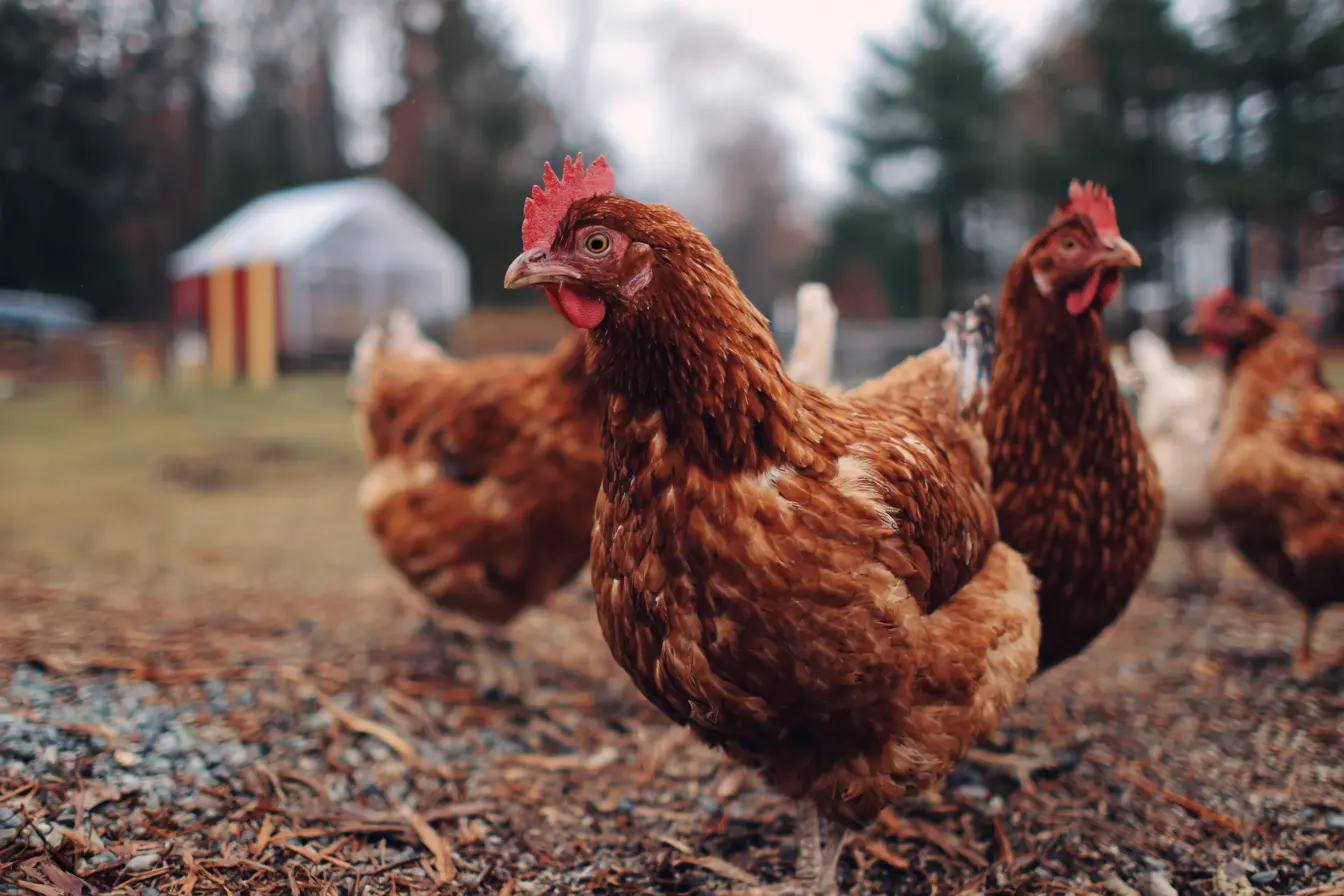
One of the first questions new chicken keepers ask is “How often will my chickens lay eggs?” The answer depends on several factors, including breed, age, season, diet, and overall health. While some hens can lay almost every day at their peak, others lay far less frequently. Understanding what’s normal, and what affects egg production, will help you manage expectations and keep your flock healthy and productive.
How Often Do Chickens Lay Eggs on Average?
Most healthy laying hens produce:
4–6 eggs per week during their peak laying period
Roughly 200–300 eggs per year, depending on breed
Chickens do not lay an egg every day indefinitely, and no hen will lay consistently all year round without breaks.
Egg laying follows a natural cycle influenced by daylight, hormones, and energy levels.
At What Age Do Chickens Start Laying Eggs?
Most chickens begin laying at:
18–24 weeks old (around 4½–6 months)
This varies by breed:
Hybrid and commercial layers may start as early as 16 weeks
Traditional and heavy breeds often start closer to 22–26 weeks
Before laying their first egg, hens often show signs such as:
Reddening of the comb and wattles
Squatting when approached
Increased interest in nest boxes
The first eggs are usually small and may be irregular in shape. This is normal.
How Long Do Chickens Keep Laying Eggs?
Chickens lay eggs for most of their adult lives, but production decreases with age.
Typical laying pattern:
First year: highest egg production
Second year: around 70–80% of peak output
Third year and beyond: gradual decline
Many hens continue to lay occasionally into their fifth or sixth year, though egg numbers are much lower.
Older hens often lay larger eggs, even as frequency decreases.
Does Every Chicken Lay Eggs Daily?
No. Even excellent layers do not lay every day forever.
Reasons include:
Natural rest days
Hormonal cycles
Energy demands
Environmental factors
It takes around 24–26 hours for a hen to produce an egg, so daily laying is biologically demanding and cannot continue endlessly.
Do Chickens Lay Eggs All Year Round?
Seasonal Egg Laying
In the UK, most hens slow down or stop laying in autumn and winter due to reduced daylight.
Chickens require approximately:
14–16 hours of daylight to maintain consistent laying
As days shorten, their bodies prioritise maintenance over egg production.
Winter Laying
Some hens may continue laying in winter if:
They are young
They belong to high-laying breeds
They receive supplementary lighting (used cautiously and ethically)
Many backyard keepers allow their hens to rest naturally over winter, which supports long-term health.
How Does Moulting Affect Egg Laying?
Moulting is the annual process where chickens shed old feathers and grow new ones.
During a moult:
Egg laying usually slows dramatically or stops completely
Energy is diverted to feather growth
The process can last 6–12 weeks
This most often occurs in late summer or autumn and is completely normal.
Do Different Breeds Lay Different Numbers of Eggs?
Yes. Breed makes a significant difference.
High egg-laying breeds:
Hybrids (such as ISA Brown or Lohmann Brown): 280–320 eggs per year
Leghorns: up to 300 white eggs per year
Moderate layers:
Plymouth Rock
Sussex
Rhode Island Red
Lower but steady layers:
Orpington
Wyandotte
Australorp
Ornamental or rare breeds:
Silkies
Polish
Cochins
These breeds may lay fewer eggs but are often kept for temperament or appearance.
Factors That Affect How Often Chickens Lay Eggs
Diet
Hens need a nutritionally complete diet to lay regularly.
Key requirements include:
Layers pellets or mash with adequate protein
Calcium for strong shells
Access to grit and fresh water
Poor nutrition is one of the most common causes of reduced laying.
Water
Eggs are around 70% water. Even brief dehydration can stop egg production.
Always provide:
Clean, fresh water
Containers that don’t easily tip over
Ice-free water in winter
Stress
Stress can significantly reduce laying.
Common stressors include:
Predator scares
Changes in routine
Introducing new birds
Overcrowding
Illness or parasites
Health
Illness, internal worms, and external parasites like mites can all affect laying frequency.
Regular health checks and good hygiene help maintain production.
Do Chickens Lay Eggs Without a Cockerel?
Yes. Chickens lay eggs regardless of whether a cockerel is present.
Eggs laid without a cockerel are unfertilised
Fertilised eggs will only develop into chicks if incubated
For egg production alone, a cockerel is not necessary.
Can You Increase How Often Chickens Lay Eggs?
You can support healthy laying, but you cannot force it without risking welfare.
Best practices include:
Providing a balanced diet
Ensuring adequate daylight naturally
Keeping stress low
Allowing rest during moulting and winter
Artificial lighting can increase egg numbers, but it may shorten a hen’s overall productive lifespan if overused.
When Should You Be Concerned About Egg Production?
A sudden drop in laying may be normal, but investigate if you notice:
Weight loss
Pale combs
Behaviour changes
Soft or shell-less eggs
Prolonged cessation outside of winter or moult
Consult a poultry vet if concerns persist.
Summary: What Owners Should Expect
Most hens lay 4–6 eggs per week at peak
Laying begins at 18–24 weeks old
Egg production declines with age
Seasonal breaks are normal and healthy
Diet, light, stress, and health all play a role
Conclusion
Chickens are not egg-laying machines. They are living animals with natural cycles. Understanding how often chickens lay eggs helps owners set realistic expectations and provide better care. With good nutrition, a calm environment, and respect for seasonal rest, your hens will reward you with a steady supply of eggs and many years of healthy companionship.
Quick questions
- What should I know about egg production?
- Chickens lay an average of 4 to 6 eggs per week, influenced by factors like breed, age, diet, and season. Most begin laying at 18 to 24 weeks old, with production declining over time. Vet Verified can help you compare UK veterinary practices by location, species, services and opening hours before you call.
- When should I contact a vet about egg production?
- Contact a veterinary practice if your pet seems unwell, symptoms are getting worse, you are unsure what to do, or the situation may be urgent. Vet Verified helps you compare practice details, but a vet should advise on your pet's current care.
- Can Vet Verified help me find bird vets?
- Yes. Use Vet Verified to compare bird vets across the UK, then check practice profiles and call directly to confirm current availability.
Find a vet
Find a veterinary practice
Compare UK veterinary practices related to this topic. Call the practice to confirm its current services and availability.